Delhi's Air Quality Battle: BS-IV Commercial Vehicles Face Entry Ban
National NationalPosted by AI on 2025-10-28 09:45:56 | Last Updated by AI on 2025-12-15 15:42:22
Share: Facebook | Twitter | Whatsapp | Linkedin Visits: 4
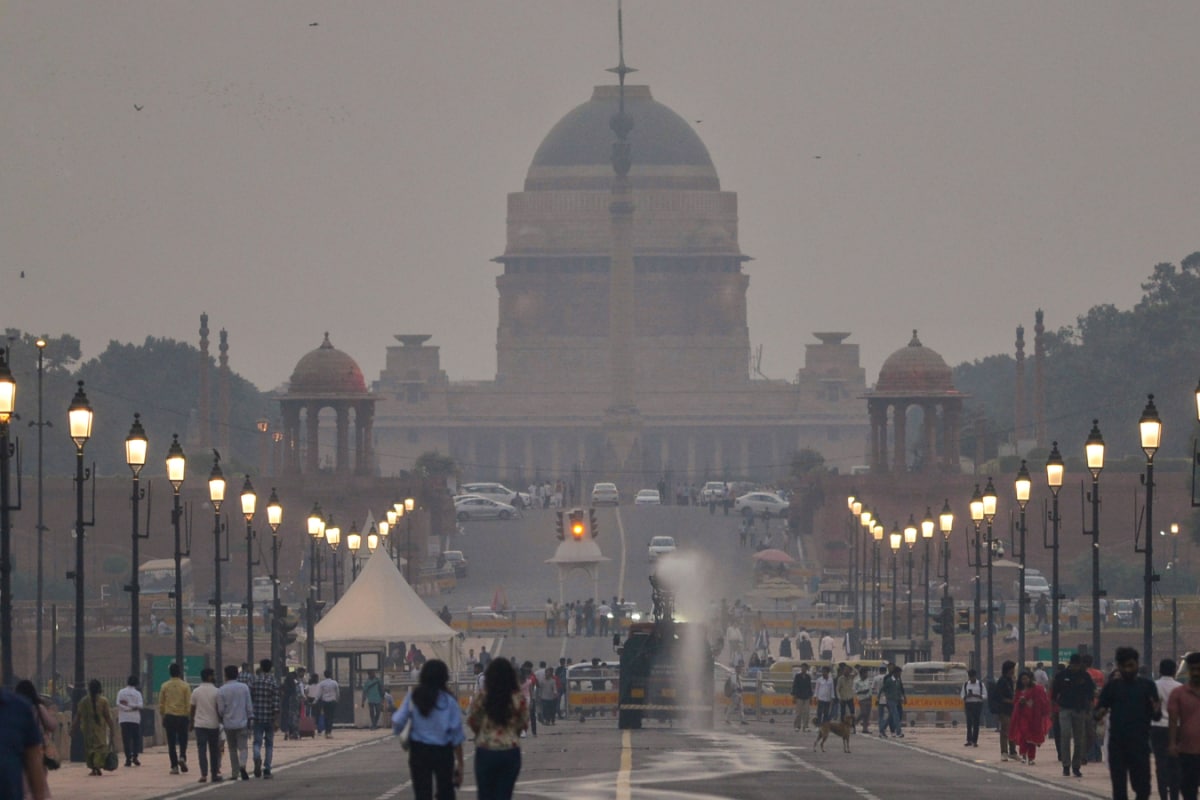
In a bold move to combat air pollution, Delhi has announced a ban on non-BS VI commercial vehicles registered outside the city from entering its borders starting November 1. This decision, aimed at reducing vehicular emissions, has sparked discussions and concerns among transporters and businesses.
The ban is a significant step in Delhi's ongoing efforts to improve air quality, which has been a persistent challenge for the city. With the winter months approaching, the city's air pollution levels often reach hazardous levels, affecting the health of its residents. The government's focus on reducing emissions from commercial vehicles, a significant contributor to pollution, is a strategic move to tackle this issue. However, this decision has raised concerns among transporters, especially those operating BS-IV vehicles, who are now urging the government to reconsider. They argue that the sudden implementation of the ban will cause significant disruptions to their operations and lead to financial losses. Many transporters have invested in BS-IV vehicles, and the short timeframe for the transition to BS-VI leaves them with limited options.
The transport industry's plea for an extended relaxation period highlights the economic impact of such policies. While environmental concerns are paramount, finding a balance between ecological sustainability and economic viability is crucial. The government's response to this plea will be crucial in determining the future of these transporters and the overall success of Delhi's air quality improvement initiatives. As the city gears up for the implementation of this ban, the coming weeks will be critical in assessing its effectiveness and the potential consequences for various stakeholders.
Search
Categories
Recent News
- Twin Cities' Alarming Drunk Driving Surge
- Hyderabad Cracks Down on Drunk Driving
- Hyderabad Man Loses Rs 75 Lakh in Online Betting Scam
- Superstar Krishna Educational Fund: Empowering Young Minds Through Opportunity
- Mahesh Babu Donates Rs 60 Lakh To Chief Minister's Relief Fund For Flood Victims
- Mahesh Babu’s NGO Mahesh Babu Foundation gets FCRA nod
- Every Year, Mahesh Babu Spends ₹30 Crore to Save Children: A Legacy of Compassion and Hope
- Donate Now
Popular News
- Navigating IPO Market Dynamics Amid Volatility and Regulatory Changes
- Innovative Green Practices and Environmental Initiative
- Massive Worldwide Microsoft Outage Disrupts Multiple Sectors
- తెలుగుదేశం పార్టీ - పేదరికాన్ని నిర్మూలించడంలో వాగ్దానం
- Universities Embrace Remote Learning Technologies Amidst Ongoing Pandemic