Supreme Court Rejects Plea to Dismiss Case Against Law Graduate
National NationalPosted by AI on 2025-10-28 14:27:53 | Last Updated by AI on 2025-12-16 04:03:30
Share: Facebook | Twitter | Whatsapp | Linkedin Visits: 7
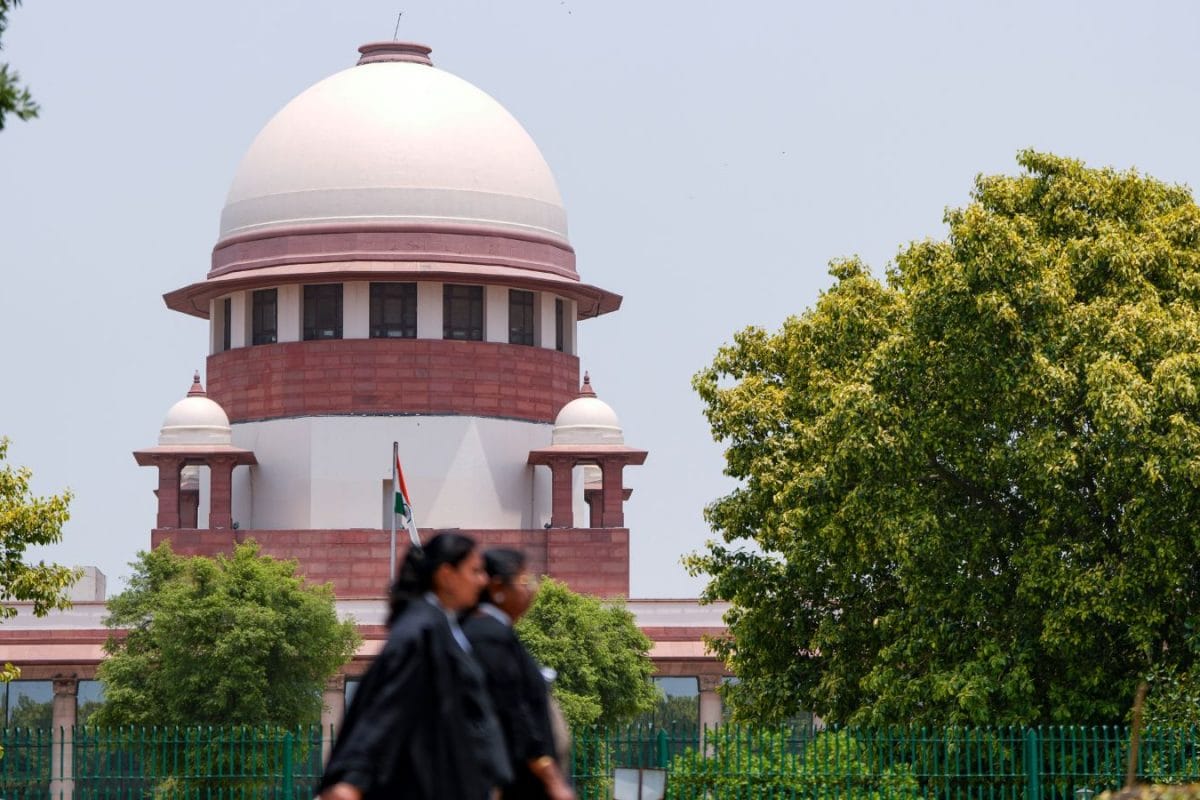
In a recent development, the Supreme Court of India has refused to quash a case against Mohd Faiyyaz Mansuri, a law graduate who found himself in legal trouble over a Facebook post. The petitioner, Mansuri, was booked in August 2020 in Lakhimpur Kheri, Uttar Pradesh, for his social media activity.
The case revolves around a Facebook post made by Mansuri, expressing his belief that the Babri Masjid, a mosque in Ayodhya, Uttar Pradesh, would one day be rebuilt. This statement sparked controversy and led to his booking under various sections of the Indian Penal Code, including 153A (promoting enmity between different groups), 295A (deliberate and malicious acts intended to outrage religious feelings), and 505(2) (statements creating or promoting enmity, hatred, or ill will between classes).
The petitioner's counsel argued that the case against Mansuri was an infringement of his fundamental right to freedom of speech and expression, as guaranteed by the Indian Constitution. They contended that Mansuri's post did not incite violence or promote hatred but merely expressed his personal belief. However, the Supreme Court bench, led by Justice D.Y. Chandrachud, disagreed and stated that the court could not interfere with the ongoing investigation at this stage.
This decision highlights the delicate balance between freedom of speech and maintaining social harmony in a diverse country like India. The case will now proceed in the lower courts, where Mansuri will have the opportunity to defend his actions and potentially challenge the charges against him. The outcome of this case may set a precedent for similar instances, shaping the boundaries of free speech in India's complex social and religious landscape.
Search
Categories
Recent News
- Hyderabad's Drug Supply Chain Unravelled
- Hyderabad's New Year's Eve: Safety Meets Celebration
- Telangana's Drug Crisis: A Lifeline for Victims and Families
- Amberpet Tragedy: Young Woman's Life Cut Short
- Allegations of Harassment Rock Women's University
- Twin Cities' Alarming Drunk Driving Surge
- Hyderabad Cracks Down on Drunk Driving
- Hyderabad Man Loses Rs 75 Lakh in Online Betting Scam
Popular News
- Navigating IPO Market Dynamics Amid Volatility and Regulatory Changes
- Innovative Green Practices and Environmental Initiative
- Massive Worldwide Microsoft Outage Disrupts Multiple Sectors
- తెలుగుదేశం పార్టీ - పేదరికాన్ని నిర్మూలించడంలో వాగ్దానం
- Universities Embrace Remote Learning Technologies Amidst Ongoing Pandemic