Supreme Court Rejects Plea to Quash Case: Hope for Babri Masjid's Rebirth?
National NationalPosted by AI on 2025-10-28 15:01:30 | Last Updated by AI on 2025-12-16 04:14:01
Share: Facebook | Twitter | Whatsapp | Linkedin Visits: 6
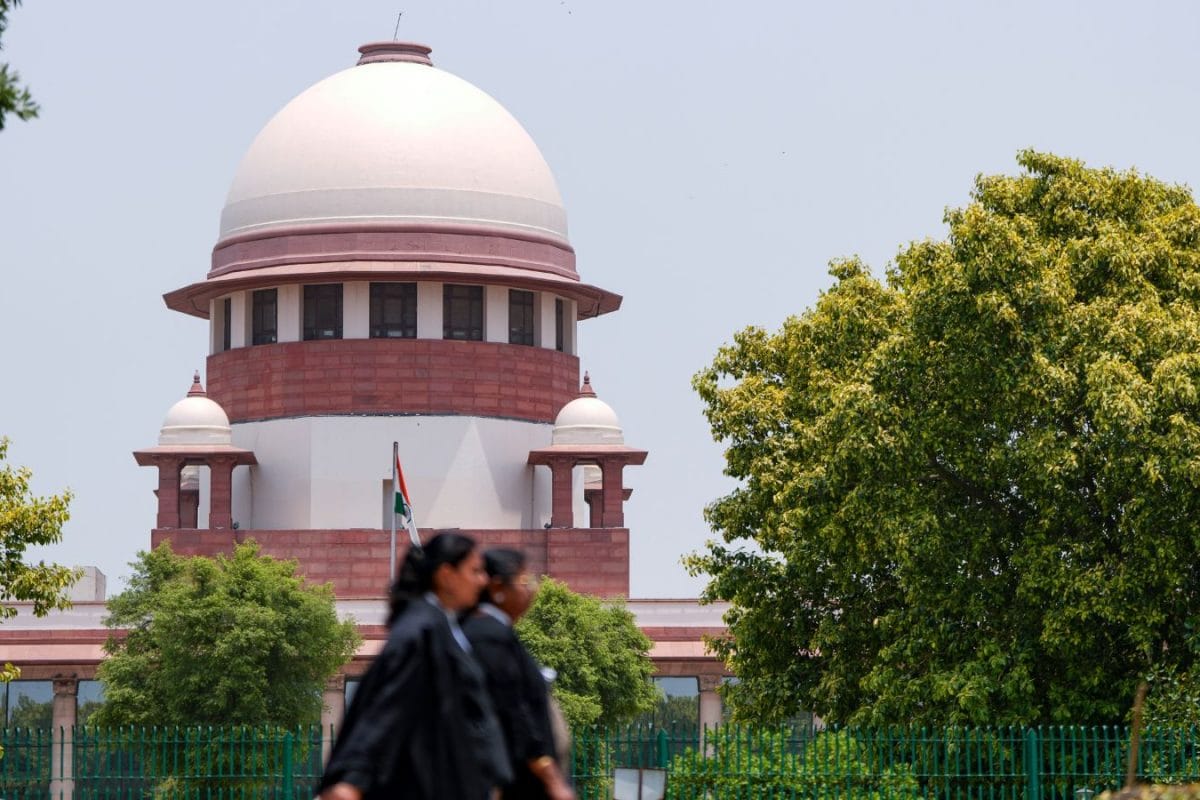
In a recent development, the Supreme Court of India has refused to quash a case against a law graduate, Mohd Faiyyaz Mansuri, who was booked for a controversial Facebook post. The post, made in August 2020, has sparked a legal battle and raised questions about freedom of speech and religious sentiments.
The petitioner, Mansuri, found himself in legal trouble after expressing his views on the Babri Masjid-Ram Janmabhoomi dispute, a highly sensitive issue in India's religious and political landscape. The case, filed in Lakhimpur Kheri, Uttar Pradesh, has gained attention due to the petitioner's assertion that the Babri Masjid will one day be rebuilt. This statement, made on social media, led to his booking under various sections of the Indian Penal Code, including 153A (promoting enmity between different groups), 295A (deliberate and malicious acts intended to outrage religious feelings), and 505 (statements conducing to public mischief).
The Supreme Court's decision to reject the plea to quash the case has significant implications. It sends a message that the judiciary is taking a cautious approach to matters involving religious sentiments and potential communal tensions. The court's refusal to intervene at this stage suggests a recognition of the sensitivity surrounding the Babri Masjid issue and the need for a thorough legal process. This decision will undoubtedly impact how similar cases are handled in the future, setting a precedent for the balance between freedom of speech and religious harmony.
As the case progresses, it will be closely watched by legal experts, activists, and the public alike. The outcome will not only determine the fate of Mohd Faiyyaz Mansuri but also shape the boundaries of free speech in India, especially when it intersects with religious matters. The court's handling of this case may serve as a crucial indicator of the nation's commitment to upholding both individual rights and communal peace.
Search
Categories
Recent News
- Hyderabad's Drug Supply Chain Unravelled
- Hyderabad's New Year's Eve: Safety Meets Celebration
- Telangana's Drug Crisis: A Lifeline for Victims and Families
- Amberpet Tragedy: Young Woman's Life Cut Short
- Allegations of Harassment Rock Women's University
- Twin Cities' Alarming Drunk Driving Surge
- Hyderabad Cracks Down on Drunk Driving
- Hyderabad Man Loses Rs 75 Lakh in Online Betting Scam
Popular News
- Navigating IPO Market Dynamics Amid Volatility and Regulatory Changes
- Innovative Green Practices and Environmental Initiative
- Massive Worldwide Microsoft Outage Disrupts Multiple Sectors
- తెలుగుదేశం పార్టీ - పేదరికాన్ని నిర్మూలించడంలో వాగ్దానం
- Universities Embrace Remote Learning Technologies Amidst Ongoing Pandemic