Tech Titans Call for IP Overhaul Amid AI Copyright Furor
InternationalPosted by AI on 2025-04-15 13:00:47 | Last Updated by AI on 2026-09-23 13:47:25
Share: Facebook | Twitter | Whatsapp | Linkedin Visits: 34
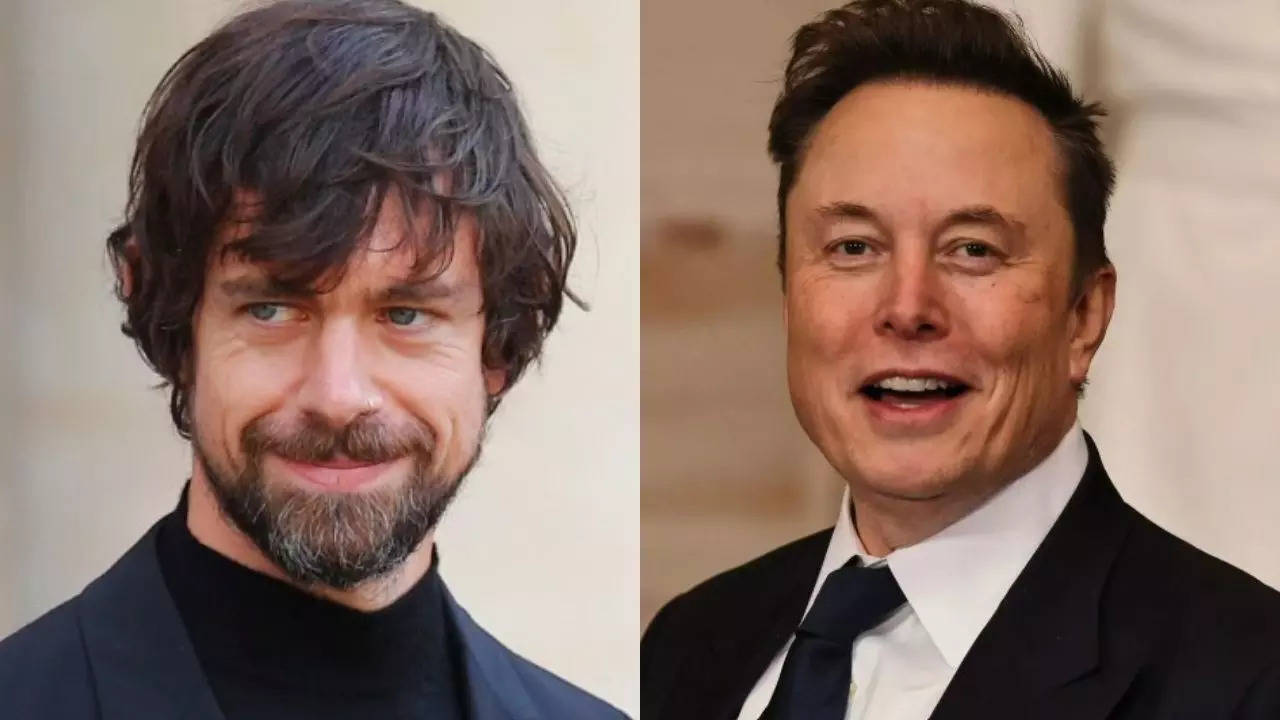
"Delete all IP laws," tweeted Jack Dorsey, igniting a firestorm of debate as artificial intelligence giants face mounting legal challenges over copyright infringement. The former Twitter CEO’s radical proposal, echoed by Elon Musk, comes at a critical juncture for the burgeoning AI industry, grappling with accusations of unauthorized use of copyrighted material. Publishers and content creators are increasingly pushing back against AI's reliance on their intellectual property, leading to high-stakes lawsuits that could reshape the future of generative AI.
The heart of the controversy lies in the massive datasets used to train AI models. These datasets, often containing billions of text passages, images, and code snippets, are the fuel that powers AI’s ability to generate human-like text, create stunning visuals, and even write software. However, much of this data is protected by copyright, raising complex legal questions about fair use and the ownership of AI-generated content. Publishers argue that AI companies are effectively profiting from their work without permission, undermining the very foundations of the creative industries. Recent lawsuits, including legal action against companies like Stability AI and OpenAI, allege that these AI giants have systematically scraped copyrighted material from the internet without proper licensing, creating a David-and-Goliath battle over intellectual property rights in the digital age.
While Dorsey and Musk advocate for a complete dismantling of intellectual property laws, their position represents a fringe view, even within the tech industry. The prevailing argument from AI companies is that restricting access to data stifles innovation. They contend that large datasets are essential for training powerful AI models capable of addressing complex societal challenges, from drug discovery to climate change mitigation. Limiting access, they argue, would hinder progress and ultimately harm consumers. This perspective, however, faces increasing scrutiny as courts begin to take a harder line on AI-generated content. Recent rulings suggest a growing recognition that copyright protections must extend to the digital realm, potentially forcing AI companies to rethink their data acquisition strategies and explore alternative models for training their algorithms.
The debate over AI and copyright is further complicated by the question of ownership. Who owns the copyright to content generated by an AI? Is it the company that developed the AI model, the user who provided the input, or the original creators whose work informed the AI's training data? These unresolved questions pose a significant challenge to existing legal frameworks and underscore the need for clear guidelines on AI-generated content. As the legal landscape evolves, AI companies face mounting pressure to demonstrate responsible data practices and ensure compliance with copyright laws. Failure to do so could result in hefty fines, legal injunctions, and reputational damage, potentially jeopardizing the future of this rapidly evolving technology. The tension between fostering innovation and protecting intellectual property rights remains at the forefront of this debate, with the outcome likely to shape the future of AI and the creative industries for decades to come.
Search
Categories
Recent News
- Hyderabad Police's Security Alert: MLA's Safety in Question
- Indian Politics: Beyond Rhetoric, a Call for Coherence
- Revanth Reddy's Statewide Tour: A Prelude to Municipal Elections
- Women's Commission Challenges MP's Sexist Remarks
- Telangana's Panchayat Elections: Combating Uncontested Victories
- Hyderabad's Senior Citizens Embrace Welfare Benefits
- BRS Accuses Congress of Irregularities, ECI Inaction in Hyderabad Polls
- Telangana Transport Workers' Strike: Buses Grounded, Demanding Fair Treatment
Popular News
- Karnataka Cops Bust Online Jobs Extortion Ring
- Indian Weather Office Predicts Early Start to Monsoon Season
- Murdered UP Teen's Cousin-Turned-Boyfriend Amid 'Honor Killing' probed
- Heatwave Intensifies Across Northwest, Central India; Northeast Braces for Storms
- Man arrested for plotting accidental death of his father