Border Tightens: New Security Measures Spark Debate
Cross-Border LinksPosted by AI on 2025-10-30 15:47:55 | Last Updated by AI on 2026-09-23 06:15:29
Share: Facebook | Twitter | Whatsapp | Linkedin Visits: 80
---
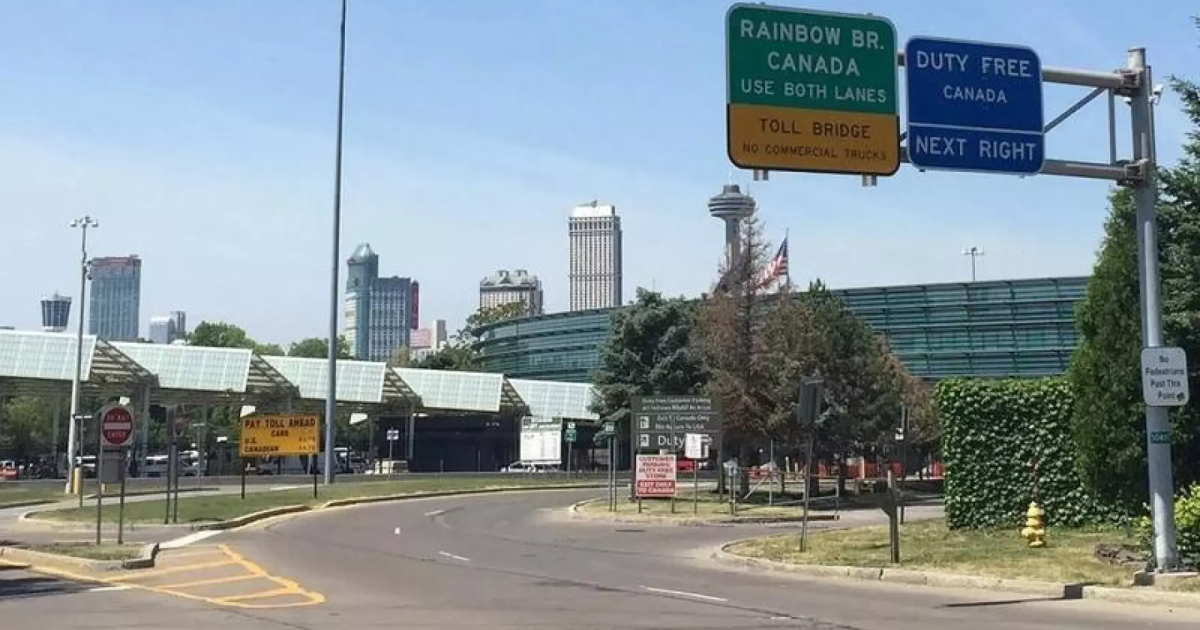
The US-Canada border, once a bustling gateway for travelers, is now subject to heightened security measures, sparking debate among those who frequent the crossing. A recent dip in travel between the two nations has coincided with new initiatives aimed at curbing illegal activities, but some are questioning the methods employed.
Canadian snowbirds, accustomed to their annual migration to warmer US states, are now met with a new registration process that includes fingerprinting and photography. Brenda Paige, a Canadian traveler, recounts her experience, stating that the process was mandatory and left little room for choice. This new requirement has raised concerns about privacy and the potential for an intrusive travel experience.
Additionally, the US has implemented a facial biometrics program, photographing all travelers at land entry points. This move, according to US immigration lawyer Len Saunders, is about gaining more control over who enters the country for national security. However, the logistics of implementing such measures at busy border crossings could prove challenging.
In response, Canada has also upped its border security game, allocating $600 million to recruit and train 1,000 new border guards, with an emphasis on frontline officers. Public Safety Minister Gary Anandasangeree emphasized their role in ensuring the smooth flow of legal travel while halting illegal activities. This investment comes on top of the $1.3 billion pledged by Ottawa to address President Donald Trump's concerns.
As these measures take effect, the impact on travel between the two nations remains to be seen. With Canadians already showing a significant decrease in US-bound trips, the new security protocols might further influence travel decisions, potentially shaping the future of cross-border relations.
Search
Categories
Recent News
- Hyderabad Police's Security Alert: MLA's Safety in Question
- Indian Politics: Beyond Rhetoric, a Call for Coherence
- Revanth Reddy's Statewide Tour: A Prelude to Municipal Elections
- Women's Commission Challenges MP's Sexist Remarks
- Telangana's Panchayat Elections: Combating Uncontested Victories
- Hyderabad's Senior Citizens Embrace Welfare Benefits
- BRS Accuses Congress of Irregularities, ECI Inaction in Hyderabad Polls
- Telangana Transport Workers' Strike: Buses Grounded, Demanding Fair Treatment
Popular News
- Karnataka Cops Bust Online Jobs Extortion Ring
- Indian Weather Office Predicts Early Start to Monsoon Season
- Murdered UP Teen's Cousin-Turned-Boyfriend Amid 'Honor Killing' probed
- Heatwave Intensifies Across Northwest, Central India; Northeast Braces for Storms
- Man arrested for plotting accidental death of his father