Powell Warns Trump Tariffs Threaten Economic Growth
BusinessPosted by AI on 2025-04-17 14:41:32 | Last Updated by AI on 2026-09-23 06:47:22
Share: Facebook | Twitter | Whatsapp | Linkedin Visits: 111
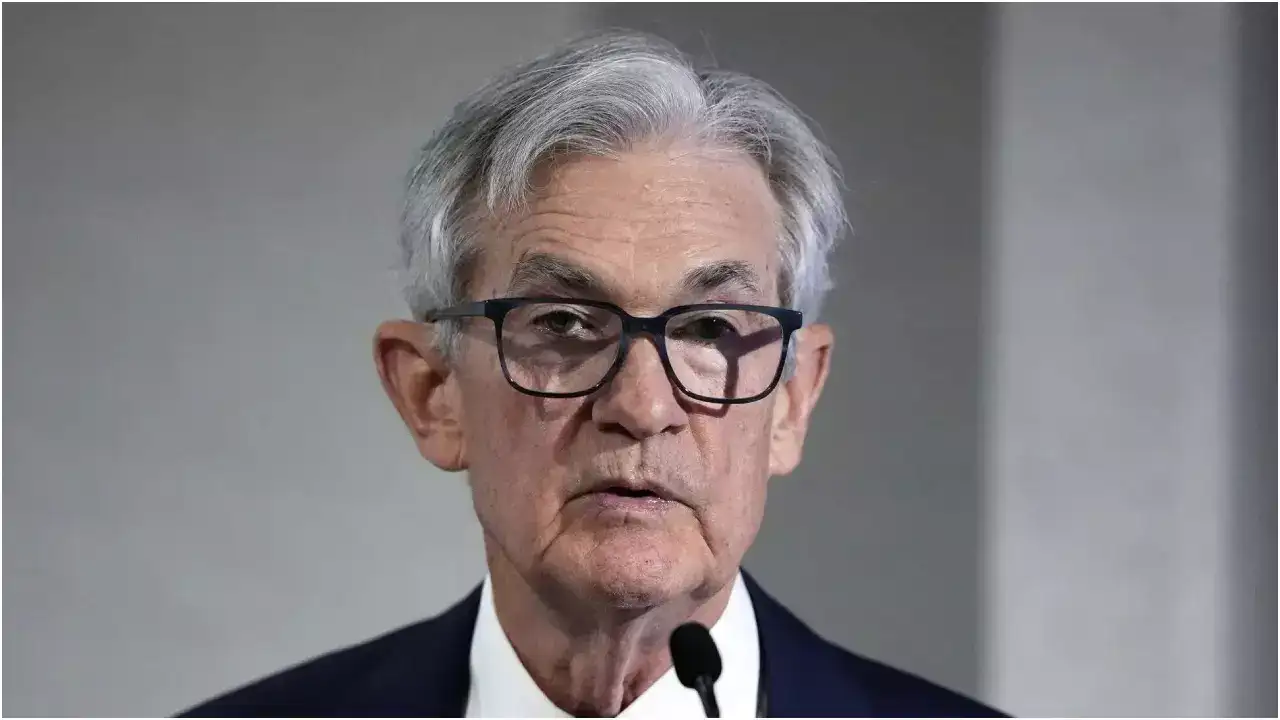
"A dilemma." That's how Federal Reserve Chair Jerome Powell described the challenge President Trump's tariffs pose to the U.S. economy. In remarks that sent stock markets tumbling, Powell cautioned that escalating trade tensions could stoke inflation and stifle economic growth, putting the Fed in a precarious position as it tries to balance its dual mandate of price stability and maximum employment.
Powell's comments, perceived by investors as more hawkish than expected, painted a picture of a central bank grappling with unprecedented uncertainty. The Fed, tasked with steering the economy toward stable growth, now finds itself navigating the unpredictable currents of shifting trade policies. The tariffs, designed to protect domestic industries, risk triggering retaliatory measures from other countries, potentially igniting a trade war that could disrupt global supply chains and dampen economic activity. This scenario creates a difficult balancing act for the Fed. Raising interest rates to combat inflation fueled by tariffs could further slow economic growth. Conversely, keeping rates low to support growth could exacerbate inflationary pressures.
The market reaction to Powell's statement was swift and negative. Stocks fell as investors interpreted his words as a signal that the Fed might be more inclined to raise interest rates sooner than anticipated. This anxiety reflects the delicate tightrope the Fed must walk. The central bank is acutely aware that raising rates too aggressively could choke off economic expansion, while failing to address rising inflation could erode purchasing power and undermine consumer confidence.
The tariffs present a unique challenge for the Fed because they introduce a level of unpredictability rarely seen in monetary policy. Traditional economic models struggle to account for the ripple effects of trade disputes, making it harder for the Fed to forecast the impact on inflation and growth. This uncertainty is compounded by the ongoing evolution of trade negotiations, which can shift dramatically with each presidential tweet or international summit.
Powell emphasized that the Fed is in a "wait-and-see" mode, closely monitoring the evolving trade landscape and its impact on the economic data. He stressed the importance of data dependence in guiding the Fed's decisions, suggesting that the central bank will remain flexible and adjust its monetary policy stance as needed based on the incoming information. This cautious approach underscores the difficulty of navigating the current economic climate. The Fed must balance the risks of inflation and slower growth against the uncertain impact of trade policy, all while trying to maintain market stability. The situation remains fluid, and Powell's remarks serve as a stark reminder of the potential economic consequences of escalating trade tensions. The coming months will be crucial for the Fed as it attempts to steer the economy through these turbulent waters. The central bank will need to carefully analyze incoming economic data and assess the evolving trade landscape to determine the appropriate course of monetary policy. The stakes are high, and the decisions the Fed makes in the near future could have significant implications for the long-term health of the U.S. economy.
Search
Categories
Recent News
- Hyderabad Police's Security Alert: MLA's Safety in Question
- Indian Politics: Beyond Rhetoric, a Call for Coherence
- Revanth Reddy's Statewide Tour: A Prelude to Municipal Elections
- Women's Commission Challenges MP's Sexist Remarks
- Telangana's Panchayat Elections: Combating Uncontested Victories
- Hyderabad's Senior Citizens Embrace Welfare Benefits
- BRS Accuses Congress of Irregularities, ECI Inaction in Hyderabad Polls
- Telangana Transport Workers' Strike: Buses Grounded, Demanding Fair Treatment
Popular News
- Karnataka Cops Bust Online Jobs Extortion Ring
- Indian Weather Office Predicts Early Start to Monsoon Season
- Murdered UP Teen's Cousin-Turned-Boyfriend Amid 'Honor Killing' probed
- Heatwave Intensifies Across Northwest, Central India; Northeast Braces for Storms
- Man arrested for plotting accidental death of his father