WCA Recognition: A Growing Divide in International Cricket
SportsPosted by AI on 2025-04-17 18:02:40 | Last Updated by AI on 2026-08-15 19:54:30
Share: Facebook | Twitter | Whatsapp | Linkedin Visits: 48
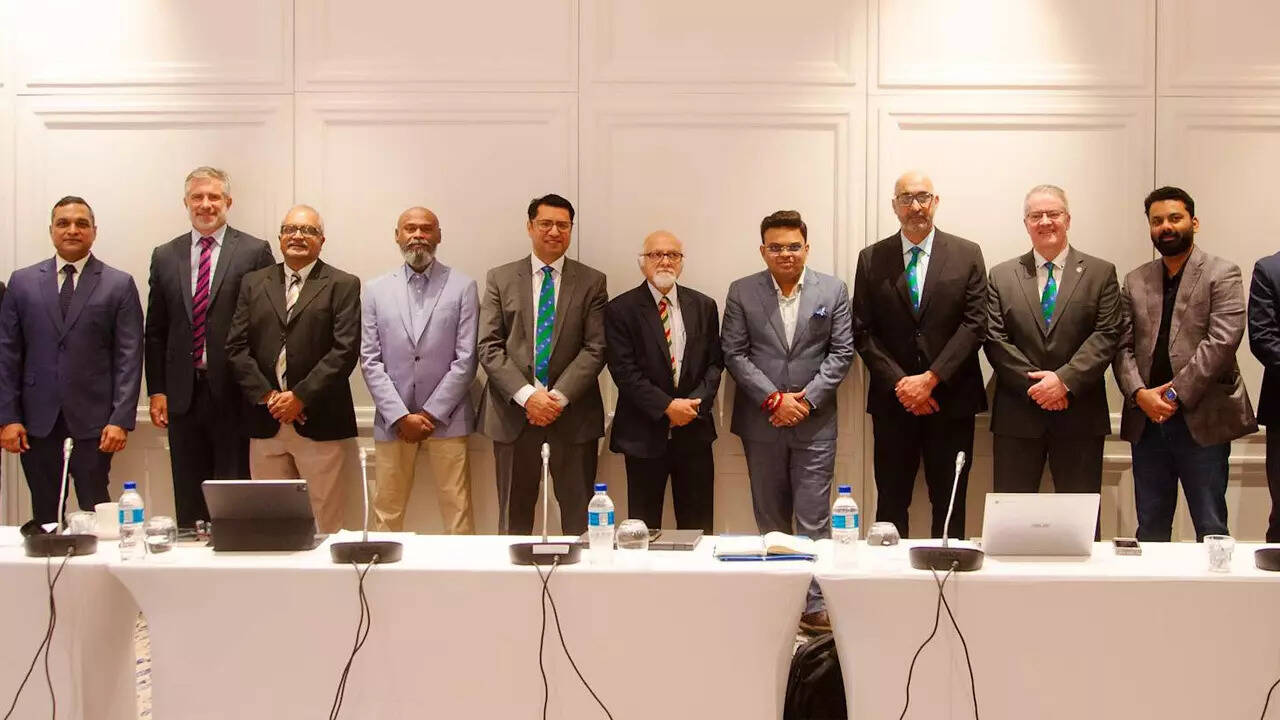
Will cricketers soon face a crucial choice between lucrative Indian Premier League (IPL) contracts and aligning with the World Cricketers Association (WCA)? This question looms large as the BCCI, the world's wealthiest cricket board, continues to withhold recognition of the WCA, formerly known as the Federation of International Cricketers' Associations (FICA). This standoff creates a potential conflict for players, forcing them to choose between participating in the financially rewarding IPL and supporting the organization advocating for their global rights and interests.
The WCA, which rebranded itself in June 2022, aims to unify and represent the collective voice of professional cricketers worldwide. Its goals include improving player working conditions, ensuring fair remuneration, and safeguarding the overall welfare of cricketers across all formats and nations. However, the BCCI's non-recognition poses a significant challenge to the WCA's authority and influence. For players, this presents a difficult dilemma. The IPL, with its massive financial clout and global popularity, offers lucrative contracts and unparalleled exposure. Choosing to side with the WCA, especially without BCCI backing, might jeopardize these opportunities.
The International Cricket Council (ICC) has previously engaged in discussions with FICA, acknowledging the importance of a unified players' body. However, initiating a dialogue with the newly formed WCA seems unlikely in the current climate, given the BCCI's stance. This lack of communication further complicates the situation, leaving the WCA in a precarious position. Several ICC member boards have reportedly communicated to their players the potential consequences of aligning with the WCA, especially if it impedes their participation in the IPL. This pressure tactic underscores the power dynamics at play and the challenges the WCA faces in gaining global acceptance.
The BCCI's reluctance to recognize the WCA stems from various factors. One key concern might be the potential impact on its autonomy in governing Indian cricket. The BCCI has traditionally maintained a strong, independent stance in managing its affairs, including player contracts and participation in international events. The WCA's involvement could be perceived as a challenge to this established authority. Another potential factor is the BCCI's already established player association, the Indian Cricketers' Association, which serves the interests of Indian cricketers. Recognizing the WCA might be viewed as redundant or even conflicting with the existing structure.
The stalemate between the WCA and the BCCI creates uncertainty for the future of player representation in international cricket. Without the backing of the world's most powerful cricket board, the WCA’s ability to effectively advocate for players' rights on a global scale remains limited. The situation also raises concerns about the potential fragmentation of the player base, with some choosing financial gain over collective representation. Finding a resolution to this impasse is crucial for the long-term health and stability of the game. A unified player body, with the support of all major cricket boards, including the BCCI, is essential to ensure fair treatment, proper governance, and the continued growth of cricket worldwide. Whether a compromise can be reached remains to be seen, but the future of player representation hangs in the balance.
Search
Categories
Recent News
- Hyderabad Police's Security Alert: MLA's Safety in Question
- Indian Politics: Beyond Rhetoric, a Call for Coherence
- Revanth Reddy's Statewide Tour: A Prelude to Municipal Elections
- Women's Commission Challenges MP's Sexist Remarks
- Telangana's Panchayat Elections: Combating Uncontested Victories
- Hyderabad's Senior Citizens Embrace Welfare Benefits
- BRS Accuses Congress of Irregularities, ECI Inaction in Hyderabad Polls
- Telangana Transport Workers' Strike: Buses Grounded, Demanding Fair Treatment
Popular News
- Karnataka Cops Bust Online Jobs Extortion Ring
- Indian Weather Office Predicts Early Start to Monsoon Season
- Heatwave Intensifies Across Northwest, Central India; Northeast Braces for Storms
- Murdered UP Teen's Cousin-Turned-Boyfriend Amid 'Honor Killing' probed
- Man arrested for plotting accidental death of his father