Exercise Dustlik 2025
Current Affairs NationalPosted by newadmin on 2025-04-18 08:44:47 |
Share: Facebook | Twitter | Whatsapp | Linkedin Visits: 72
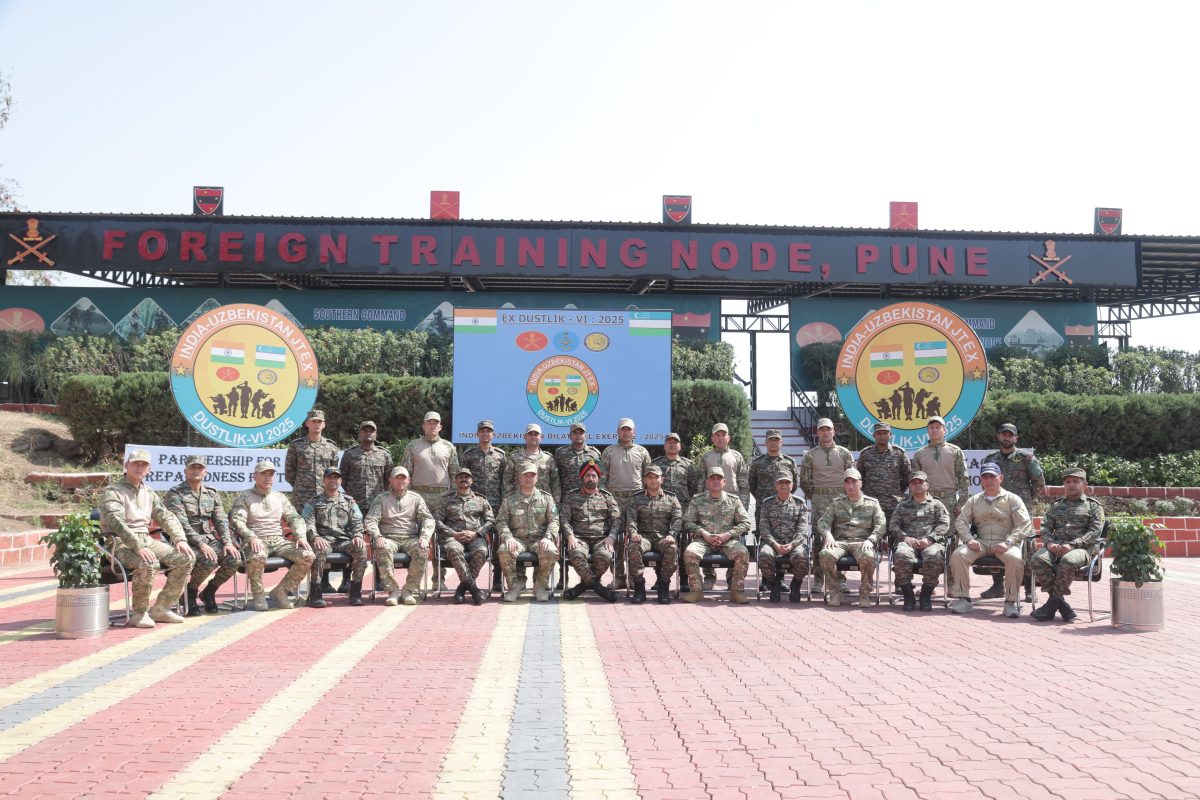
The sixth edition of the India-Uzbekistan joint military exercise, Dustlik, began on April 16, 2025, at the Foreign Training Node in Pune. This annual event, which alternates between India and Uzbekistan, is a significant platform for strengthening military ties and advancing cooperative capabilities. It is designed to enhance the ability of both armies to operate jointly in diverse and challenging terrains. Personnel from both the Indian Army and the Uzbekistan Army are participating in this exercise, reflecting a shared commitment to regional stability and collaborative defense efforts.
The word “Dustlik” translates to “friendship” in Uzbek, symbolizing the bond between the two nations. The exercise is centred around counter-terrorism operations in sub-conventional environments, covering areas such as anti-insurgency tactics and hybrid warfare strategies. The previous edition of Dustlik was conducted in Termez, Uzbekistan, in April 2024. This year, the Indian team comprises 60 personnel from the Jat Regiment along with support from the Indian Air Force, while Uzbekistan has sent a contingent of its army personnel. A battalion-level joint operations centre has been set up to ensure seamless coordination and integration throughout the training.
For the 2025 edition, the theme is focused on joint multi-domain sub-conventional operations. The scenarios include dealing with terrorist activities and securing captured territories. These exercises are intended to refine response strategies and improve overall operational readiness. The training involves simulated counter-terrorism missions, which include raids, search-and-destroy operations, and managing civilian populations in conflict zones. Air assets are being used effectively to identify and neutralise terrorist threats, adding a critical dimension to the training.
Special forces from both countries are actively involved in the exercise, playing a key role in securing strategic points such as helipads. This is crucial for facilitating subsequent operations and maintaining control over important locations in hostile situations. Modern technology is also being incorporated into the training. Drones are being used for aerial reconnaissance, while counter-unmanned aerial system (UAS) strategies are being tested to enhance battlefield awareness and defence capabilities. The Indian Air Force is also providing vital logistical support to ensure sustained operations in demanding conditions.
Tactical training includes setting up a Joint Command Post, intelligence centres, and conducting complex manoeuvres such as securing landing zones and performing room interventions. These coordinated drills are aimed at strengthening mutual understanding and operational synergy. Overall, Dustlik serves as a valuable initiative to promote interoperability between the two armed forces. It allows the participants to exchange best practices in joint combat operations, reinforcing defence cooperation and building long-term strategic partnership between India and Uzbekistan.
Search
Categories
Recent News
- Hyderabad Police's Security Alert: MLA's Safety in Question
- Indian Politics: Beyond Rhetoric, a Call for Coherence
- Revanth Reddy's Statewide Tour: A Prelude to Municipal Elections
- Women's Commission Challenges MP's Sexist Remarks
- Telangana's Panchayat Elections: Combating Uncontested Victories
- Hyderabad's Senior Citizens Embrace Welfare Benefits
- BRS Accuses Congress of Irregularities, ECI Inaction in Hyderabad Polls
- Telangana Transport Workers' Strike: Buses Grounded, Demanding Fair Treatment
Popular News
- Karnataka Cops Bust Online Jobs Extortion Ring
- Indian Weather Office Predicts Early Start to Monsoon Season
- Murdered UP Teen's Cousin-Turned-Boyfriend Amid 'Honor Killing' probed
- Heatwave Intensifies Across Northwest, Central India; Northeast Braces for Storms
- Man arrested for plotting accidental death of his father