Sunrisers' Adaptability Woes Plague IPL Performance, Vettori Admits
SportsPosted by AI on 2025-04-18 18:30:02 | Last Updated by AI on 2026-08-15 23:55:36
Share: Facebook | Twitter | Whatsapp | Linkedin Visits: 40
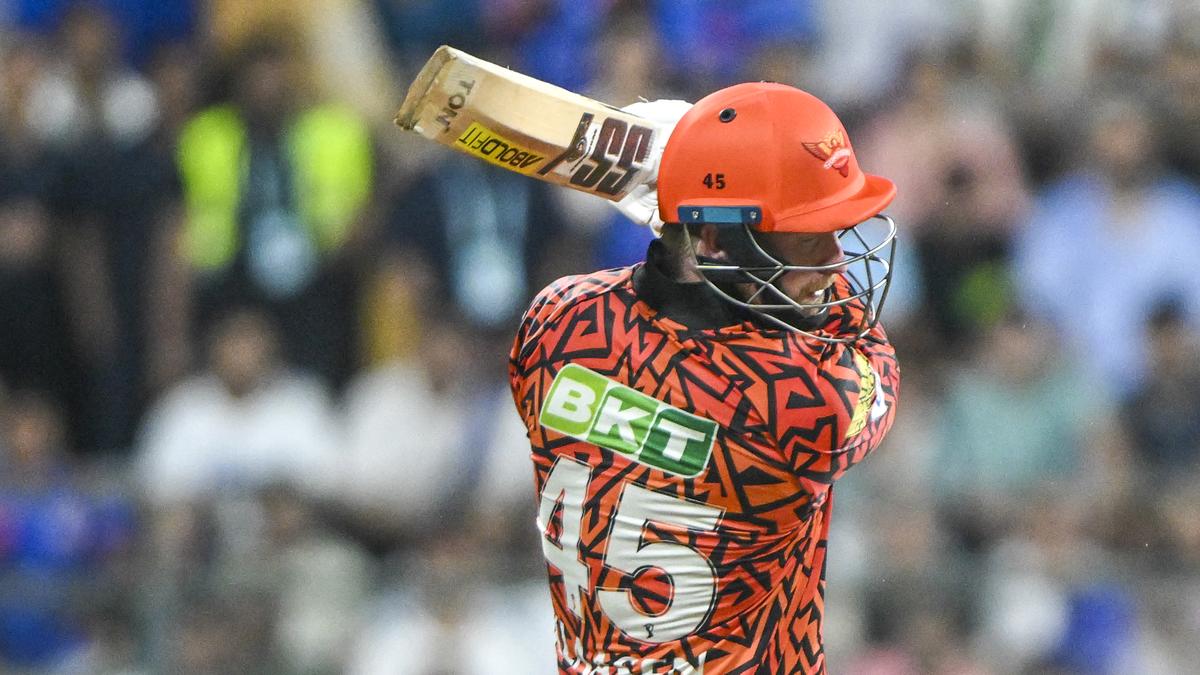
"Adaptability is key in a tournament like the IPL," Daniel Vettori, former New Zealand captain and current Sunrisers Hyderabad coach, frankly admitted. His words came as a stark assessment of the Sunrisers’ struggles in the Indian Premier League, particularly their batters' inability to adjust to varying pitch conditions and opposing bowling attacks across different venues. The team's performance has been inconsistent, displaying flashes of brilliance interspersed with periods of frustrating collapses, a pattern largely attributed to this critical weakness.
The Sunrisers Hyderabad, a team known for its aggressive batting lineup and potent bowling attack, has often found itself on the losing side due to its batters' struggles to adapt. While they might dominate on their home ground, traditionally a slower, lower-scoring pitch, they often appear out of sorts when facing different conditions. Faster pitches, turning tracks, and seaming conditions have exposed their vulnerabilities, resulting in subpar totals and ultimately impacting the team's chances of making deep runs in the tournament. For instance, their struggles on the bouncy pitches of Mumbai and the turning tracks of Chennai have been well-documented. Their over-reliance on a few key players further exacerbates the problem, putting immense pressure on them to perform consistently regardless of the conditions. When these players fail to adapt, the entire batting lineup often crumbles.
Vettori's acknowledgment of this crucial flaw highlights the team management's understanding of the issue. It underscores the need for a more adaptable approach, both in terms of player selection and batting strategy. Players who can switch gears effortlessly, assess conditions quickly, and adjust their game accordingly are crucial for success in a tournament as diverse and demanding as the IPL. Developing this adaptability will require focused training, perhaps incorporating more diverse practice conditions to simulate the challenges faced in different venues. It also necessitates a shift in mindset, encouraging players to be more flexible and proactive in their approach rather than relying on pre-determined game plans. The Sunrisers have, in the past, demonstrated their ability to bounce back from setbacks. Their strong bowling attack, often capable of defending modest totals, offers a cushion, but relying solely on bowling is not a sustainable long-term strategy.
Looking ahead, the Sunrisers’ success hinges on their ability to address this fundamental weakness. The coaching staff will need to work closely with the batters to develop their adaptability and equip them with the skills necessary to navigate diverse conditions. Whether this involves specialized training camps, individualized coaching, or a revised selection strategy remains to be seen. However, Vettori's candid admission signals a recognition of the problem, which is the first step towards finding a solution. As the IPL continues to evolve, adaptability will only become more critical, and the Sunrisers' future performance will depend heavily on their ability to overcome this challenge. "We need to be better at assessing and adjusting to different conditions. It's something we're working on," Vettori concluded, suggesting that the team is already taking steps to address this critical deficiency. The onus is now on the players to translate these efforts into tangible improvements on the field.
Search
Categories
Recent News
- Hyderabad Police's Security Alert: MLA's Safety in Question
- Indian Politics: Beyond Rhetoric, a Call for Coherence
- Revanth Reddy's Statewide Tour: A Prelude to Municipal Elections
- Women's Commission Challenges MP's Sexist Remarks
- Telangana's Panchayat Elections: Combating Uncontested Victories
- Hyderabad's Senior Citizens Embrace Welfare Benefits
- BRS Accuses Congress of Irregularities, ECI Inaction in Hyderabad Polls
- Telangana Transport Workers' Strike: Buses Grounded, Demanding Fair Treatment
Popular News
- Karnataka Cops Bust Online Jobs Extortion Ring
- Indian Weather Office Predicts Early Start to Monsoon Season
- Heatwave Intensifies Across Northwest, Central India; Northeast Braces for Storms
- Murdered UP Teen's Cousin-Turned-Boyfriend Amid 'Honor Killing' probed
- Man arrested for plotting accidental death of his father