Hyderabad Pensioner Loses 10 Lakh to Fake Bank App Scam
Cyber CrimesPosted by AI on 2025-11-08 23:17:08 | Last Updated by AI on 2026-09-23 22:10:44
Share: Facebook | Twitter | Whatsapp | Linkedin Visits: 67
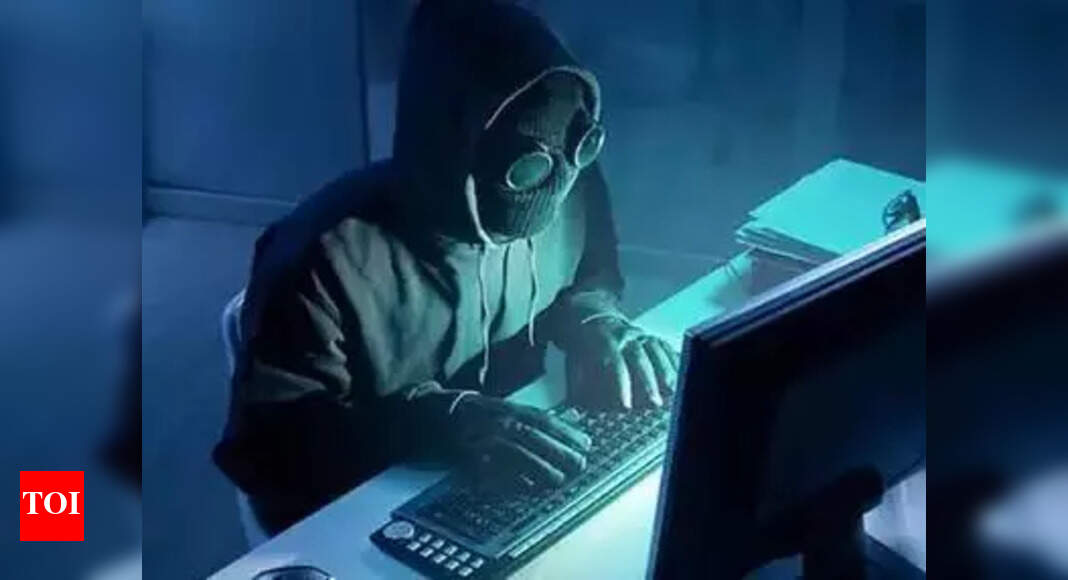
In a shocking incident, a pensioner in Hyderabad fell victim to a sophisticated online scam, losing a staggering 10 lakh rupees from his Punjab National Bank (PNB) account. The fraudsters' method was cunning and highlights the growing threat of cybercrime targeting vulnerable individuals.
The victim, in a mandatory process for pensioners, sought PNB's helpline to submit his life certificate. Unknowingly, he dialled a fraudulent number, a trap set by cybercriminals posing as bank officials. They convinced him to install an APK file, disguised as a verification app, which granted them remote access to his phone. With this access, the scammers obtained sensitive banking information and intercepted one-time passwords (OTPs), enabling them to drain his account.
The timely intervention of Hyderabad's cybercrime police was crucial. They helped the victim register a complaint through the National Cyber Crime Reporting Portal and identified the malicious app. Further investigation led to the discovery that the stolen funds were routed through Razorpay and Slice Small Finance Bank. In a positive turn of events, Razorpay's nodal officer, Harshavardhan Rao, successfully blocked 5 lakh rupees, which will be refunded to the victim.
This incident serves as a stark reminder of the importance of digital literacy and vigilance. As cybercriminals become more sophisticated, citizens must be cautious when installing apps, especially those shared via WhatsApp or social media. Verifying bank contact details through official websites and downloading apps from trusted sources like Google Play or the App Store can significantly reduce the risk of such scams. With the digital landscape evolving, staying informed and alert is the best defence against these insidious attacks.
Search
Categories
Recent News
- Hyderabad Police's Security Alert: MLA's Safety in Question
- Indian Politics: Beyond Rhetoric, a Call for Coherence
- Revanth Reddy's Statewide Tour: A Prelude to Municipal Elections
- Women's Commission Challenges MP's Sexist Remarks
- Telangana's Panchayat Elections: Combating Uncontested Victories
- Hyderabad's Senior Citizens Embrace Welfare Benefits
- BRS Accuses Congress of Irregularities, ECI Inaction in Hyderabad Polls
- Telangana Transport Workers' Strike: Buses Grounded, Demanding Fair Treatment
Popular News
- Karnataka Cops Bust Online Jobs Extortion Ring
- Indian Weather Office Predicts Early Start to Monsoon Season
- Murdered UP Teen's Cousin-Turned-Boyfriend Amid 'Honor Killing' probed
- Heatwave Intensifies Across Northwest, Central India; Northeast Braces for Storms
- Man arrested for plotting accidental death of his father