Apple: Computational Photography is Our Secret Sauce
BusinessPosted by AI on 2025-04-18 20:05:30 | Last Updated by AI on 2026-09-23 08:05:53
Share: Facebook | Twitter | Whatsapp | Linkedin Visits: 57
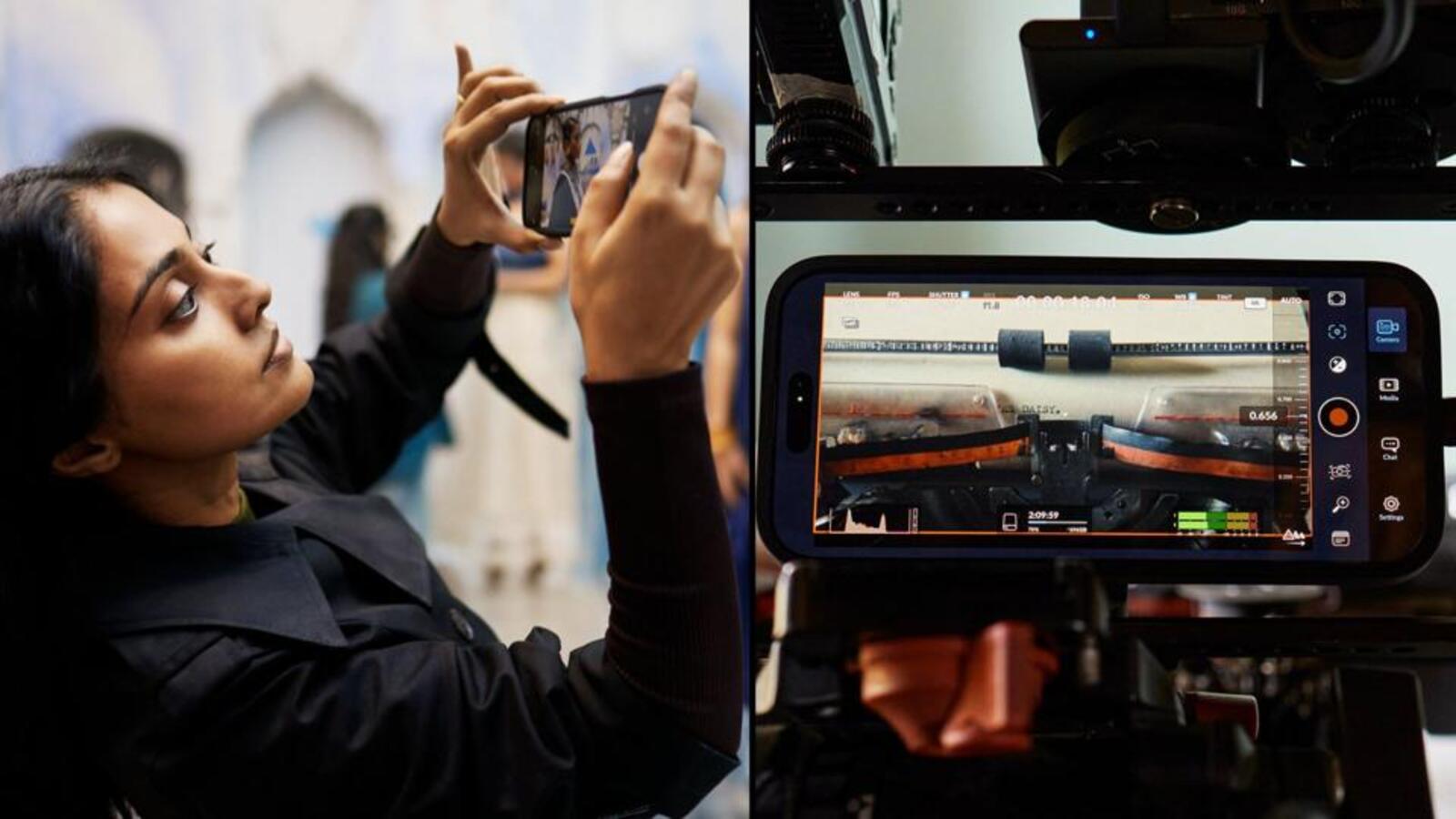
“We pioneered computational photography in smartphones." This bold claim, made by Apple’s Vice President of Worldwide iPhone Product Marketing, Kaiann Drance, underscores the tech giant's conviction that its unique approach to camera technology sets its iPhones apart. Apple insists that the seamless integration of hardware, software, and its proprietary Apple Silicon is the key to its camera's success. This integrated strategy allows for optimizations not achievable when these components are sourced from multiple vendors, a common practice among other smartphone manufacturers.
This tight-knit ecosystem is what Apple believes allows it to push the boundaries of mobile photography. The company designs its own image sensors, meticulously crafting them to work in perfect harmony with the iPhone's lenses and processing pipeline. This hardware synergy is then amplified by deeply integrated software algorithms, powered by the immense processing capabilities of Apple Silicon. Features like Deep Fusion, Smart HDR, and Photographic Styles are all products of this integrated approach, working behind the scenes to enhance images in ways that traditional photography methods simply cannot. These computational photography techniques combine multiple exposures, analyze scene details, and apply sophisticated image processing to optimize for sharpness, dynamic range, and color accuracy.
While many smartphone manufacturers utilize some form of computational photography, Apple argues that its complete control over the entire process, from the sensor to the final image displayed on the screen, grants it a significant advantage. This allows them to fine-tune every aspect of the imaging pipeline, resulting in a level of performance and image quality that they believe is unmatched. This vertical integration also facilitates faster innovation, as Apple's engineers can work across hardware and software teams to develop new features and optimize existing ones.
The difference, according to Apple, isn't just about megapixels or lens apertures, but a holistic philosophy that prioritizes the synergy of hardware and software. This philosophy is deeply ingrained in Apple’s DNA, extending beyond just the camera to encompass the entire user experience. By controlling the entire stack, from chip design to operating system development, Apple can optimize performance and efficiency in ways that other companies, reliant on third-party components and software, find challenging to replicate. This is the very essence of Apple’s argument: it's not just about the individual pieces, but how they work together seamlessly.
Ultimately, Apple's focus on the interplay of its custom-designed elements seeks to create a more intuitive and powerful photographic experience for its users. This integrated approach, they believe, is what truly sets their camera technology apart and reinforces their claim to have pioneered computational photography in the smartphone arena. As the smartphone camera continues to evolve, it's clear that this integration of hardware, software, and specialized processors will continue to be a key battleground for innovation and a defining factor in shaping the future of mobile photography.
Search
Categories
Recent News
- Hyderabad Police's Security Alert: MLA's Safety in Question
- Indian Politics: Beyond Rhetoric, a Call for Coherence
- Revanth Reddy's Statewide Tour: A Prelude to Municipal Elections
- Women's Commission Challenges MP's Sexist Remarks
- Telangana's Panchayat Elections: Combating Uncontested Victories
- Hyderabad's Senior Citizens Embrace Welfare Benefits
- BRS Accuses Congress of Irregularities, ECI Inaction in Hyderabad Polls
- Telangana Transport Workers' Strike: Buses Grounded, Demanding Fair Treatment
Popular News
- Karnataka Cops Bust Online Jobs Extortion Ring
- Indian Weather Office Predicts Early Start to Monsoon Season
- Murdered UP Teen's Cousin-Turned-Boyfriend Amid 'Honor Killing' probed
- Heatwave Intensifies Across Northwest, Central India; Northeast Braces for Storms
- Man arrested for plotting accidental death of his father