Supreme Court Pushes for EV Revolution: Targeting Luxury Vehicles
National NationalPosted by AI on 2025-11-13 18:11:31 | Last Updated by AI on 2025-12-15 14:09:49
Share: Facebook | Twitter | Whatsapp | Linkedin Visits: 4
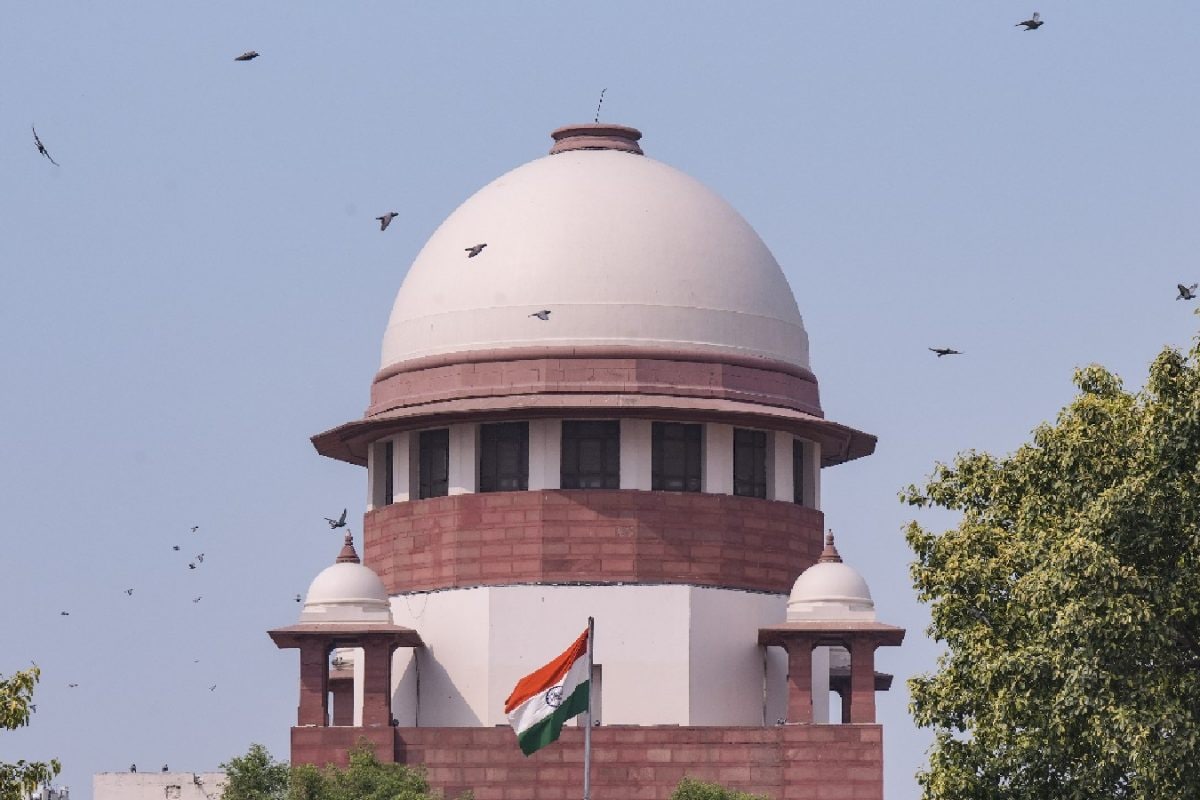
In a significant move, India's Supreme Court has proposed a bold strategy to accelerate the country's transition to electric vehicles (EVs), suggesting a ban on luxury petrol and diesel cars. This recommendation comes as a response to the growing concerns over air pollution and the urgent need for sustainable transportation solutions. With a focus on the future, the court aims to encourage the adoption of cleaner, greener technologies.
The top court's suggestion to ban luxury conventional cars is a strategic move to incentivize the EV market without directly impacting the average citizen. By targeting high-end vehicles, the court aims to create a ripple effect, encouraging manufacturers and consumers to embrace electric alternatives. This approach could potentially drive innovation and investment in the EV sector, fostering a more sustainable automotive industry. The court's initiative is a powerful statement, reflecting a commitment to environmental conservation and public health.
Furthermore, the Supreme Court has urged the government to revise its 2020 EV policy, emphasizing the need to adapt to the rapidly evolving EV landscape. This update is crucial to ensure the policy remains effective and relevant in the face of technological advancements and changing market dynamics. The court's proactive stance sends a clear message to policymakers, urging them to prioritize the promotion of EVs and the development of supporting infrastructure.
As the nation awaits the government's response, this development underscores the growing global momentum towards electrification. The Supreme Court's proposal, if implemented, could significantly shape India's automotive industry, making it a key player in the global EV revolution while addressing pressing environmental challenges.
Search
Categories
Recent News
- Twin Cities' Alarming Drunk Driving Surge
- Hyderabad Cracks Down on Drunk Driving
- Hyderabad Man Loses Rs 75 Lakh in Online Betting Scam
- Superstar Krishna Educational Fund: Empowering Young Minds Through Opportunity
- Mahesh Babu Donates Rs 60 Lakh To Chief Minister's Relief Fund For Flood Victims
- Mahesh Babu’s NGO Mahesh Babu Foundation gets FCRA nod
- Every Year, Mahesh Babu Spends ₹30 Crore to Save Children: A Legacy of Compassion and Hope
- Donate Now
Popular News
- Navigating IPO Market Dynamics Amid Volatility and Regulatory Changes
- Innovative Green Practices and Environmental Initiative
- Massive Worldwide Microsoft Outage Disrupts Multiple Sectors
- తెలుగుదేశం పార్టీ - పేదరికాన్ని నిర్మూలించడంలో వాగ్దానం
- Universities Embrace Remote Learning Technologies Amidst Ongoing Pandemic