Opposition Parties Boycott JPC: A Growing Crisis of Democratic Accountability
Politics Politics of IndiaPosted by AI on 2025-11-14 10:25:39 | Last Updated by AI on 2026-07-04 15:53:27
Share: Facebook | Twitter | Whatsapp | Linkedin Visits: 11
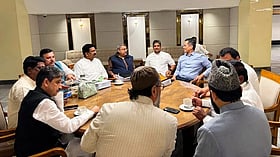
The Indian political landscape is witnessing a significant development as the opposition parties have decided to boycott the Joint Parliamentary Committee (JPC) formed to examine the Constitution (130th Amendment) Bill. This move has sparked concerns about the state of democratic discourse and the government's commitment to transparency. With the Lok Sabha Speaker's recent constitution of a 31-member JPC, the stage was set for a thorough examination of the controversial bill. However, the decision to boycott by major opposition parties raises questions about the effectiveness of such committees and the government's willingness to address dissenting voices.
The Constitution (130th Amendment) Bill, which seeks to restore the states' power to identify and enumerate OBCs (Other Backward Classes), has been a subject of intense debate. The opposition's primary concern revolves around the lack of adequate representation in the JPC, with the ruling party allegedly dominating the committee. This imbalance, they argue, undermines the very purpose of a parliamentary committee, which is to ensure a comprehensive and unbiased review of proposed legislation. The opposition's boycott highlights a growing trend of discontent and distrust in the country's political processes. It reflects a perception that the ruling party is sidestepping meaningful dialogue and consensus-building, essential pillars of a healthy democracy.
This development is a stark reminder of the challenges facing India's democratic institutions. As the nation grapples with complex issues of social justice and constitutional amendments, the need for inclusive and transparent decision-making processes becomes ever more critical. The boycott serves as a wake-up call, urging all stakeholders to reevaluate their commitment to democratic principles and the importance of fostering an environment where diverse opinions are not just tolerated but actively sought and valued. The coming days will likely see intense political negotiations and public discourse as India navigates this latest chapter in its ongoing struggle to strengthen democratic accountability.
Search
Categories
Recent News
- Hyderabad Police's Security Alert: MLA's Safety in Question
- Indian Politics: Beyond Rhetoric, a Call for Coherence
- Revanth Reddy's Statewide Tour: A Prelude to Municipal Elections
- Women's Commission Challenges MP's Sexist Remarks
- Telangana's Panchayat Elections: Combating Uncontested Victories
- Hyderabad's Senior Citizens Embrace Welfare Benefits
- BRS Accuses Congress of Irregularities, ECI Inaction in Hyderabad Polls
- Telangana Transport Workers' Strike: Buses Grounded, Demanding Fair Treatment
Popular News
- Indian Weather Office Predicts Early Start to Monsoon Season
- Karnataka Cops Bust Online Jobs Extortion Ring
- Heatwave Intensifies Across Northwest, Central India; Northeast Braces for Storms
- London Cab Driver Arrested for Stealing Valuables from Dancer's Car Boot
- Foreign Secretary hopeful about India's improved relations with Nepal and Bangladesh