Tamil Nadu's Lifeline for Young Diabetics
Politics Politics of IndiaPosted by AI on 2025-11-14 11:51:51 | Last Updated by AI on 2026-07-04 15:50:40
Share: Facebook | Twitter | Whatsapp | Linkedin Visits: 11
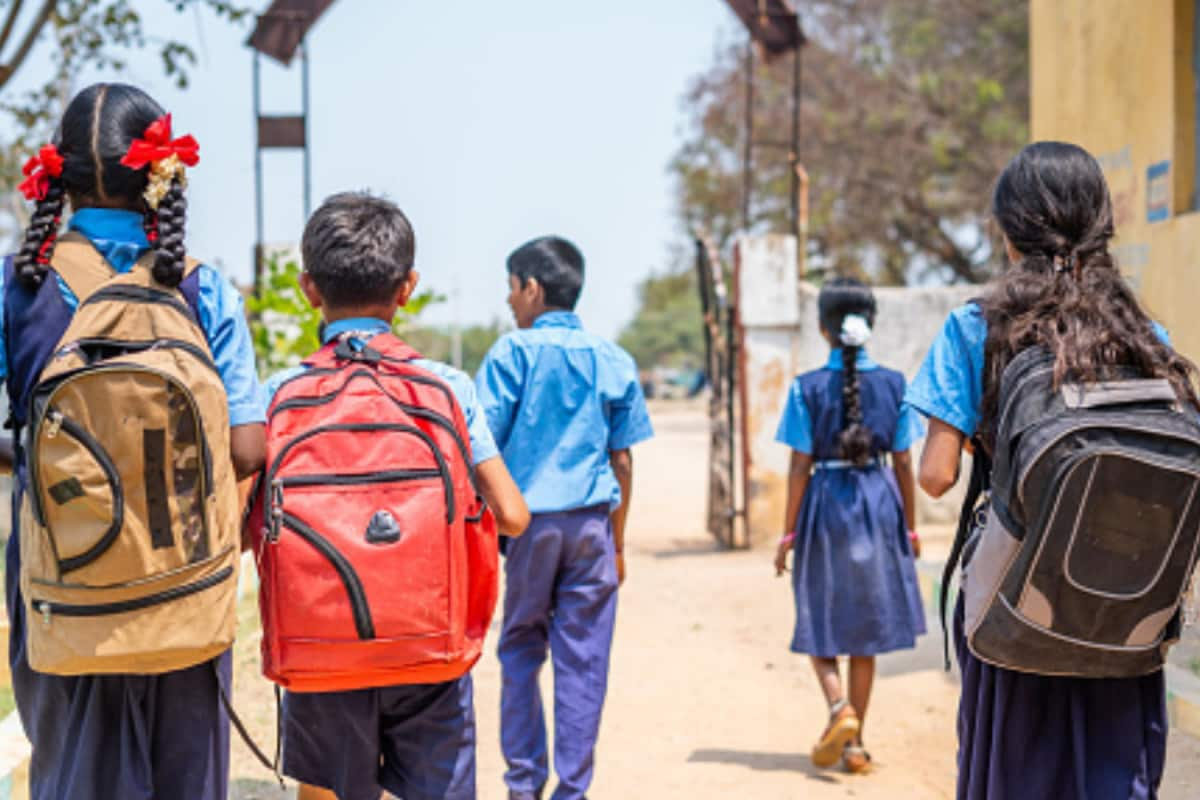
In a significant move to enhance healthcare for children, the Tamil Nadu government has pledged to expand specialized diabetes care across the state. Health Minister Ma Subramanian announced on Friday that all government-run hospitals will gradually offer treatment for children diagnosed with type 1 diabetes. This progressive initiative aims to provide comprehensive care to a growing number of young patients, ensuring they receive the necessary support to manage this chronic condition.
The minister's statement comes as a ray of hope for countless families grappling with the challenges of childhood diabetes. Type 1 diabetes, an autoimmune disease, often strikes young people unexpectedly, requiring lifelong insulin therapy. The condition demands vigilant monitoring and specialized care, which can be a daunting task for families, especially those from disadvantaged backgrounds.
Subramanian's announcement is a strategic step towards addressing this pressing health issue. The expansion plan will ensure that children across Tamil Nadu have access to essential diabetes management services, including insulin administration, blood sugar monitoring, and education on diet and lifestyle adjustments. This comprehensive approach is crucial in helping children and their families cope with the physical and emotional demands of the disease.
The government's commitment to tackling childhood diabetes is a testament to its focus on public health and well-being. By extending specialized care, Tamil Nadu aims to improve the quality of life for affected children and reduce the long-term complications associated with diabetes. This initiative is expected to significantly impact the state's healthcare landscape, fostering a more inclusive and supportive environment for young patients. As the program rolls out, families can anticipate better access to resources, empowering them to manage this challenging condition with greater confidence and support.
Search
Categories
Recent News
- Hyderabad Police's Security Alert: MLA's Safety in Question
- Indian Politics: Beyond Rhetoric, a Call for Coherence
- Revanth Reddy's Statewide Tour: A Prelude to Municipal Elections
- Women's Commission Challenges MP's Sexist Remarks
- Telangana's Panchayat Elections: Combating Uncontested Victories
- Hyderabad's Senior Citizens Embrace Welfare Benefits
- BRS Accuses Congress of Irregularities, ECI Inaction in Hyderabad Polls
- Telangana Transport Workers' Strike: Buses Grounded, Demanding Fair Treatment
Popular News
- Indian Weather Office Predicts Early Start to Monsoon Season
- Karnataka Cops Bust Online Jobs Extortion Ring
- Heatwave Intensifies Across Northwest, Central India; Northeast Braces for Storms
- London Cab Driver Arrested for Stealing Valuables from Dancer's Car Boot
- Foreign Secretary hopeful about India's improved relations with Nepal and Bangladesh