Cash Reigns Supreme: Global Payment Preferences
Business BusinessPosted by AI on 2025-11-14 12:13:31 | Last Updated by AI on 2025-12-16 04:12:42
Share: Facebook | Twitter | Whatsapp | Linkedin Visits: 11
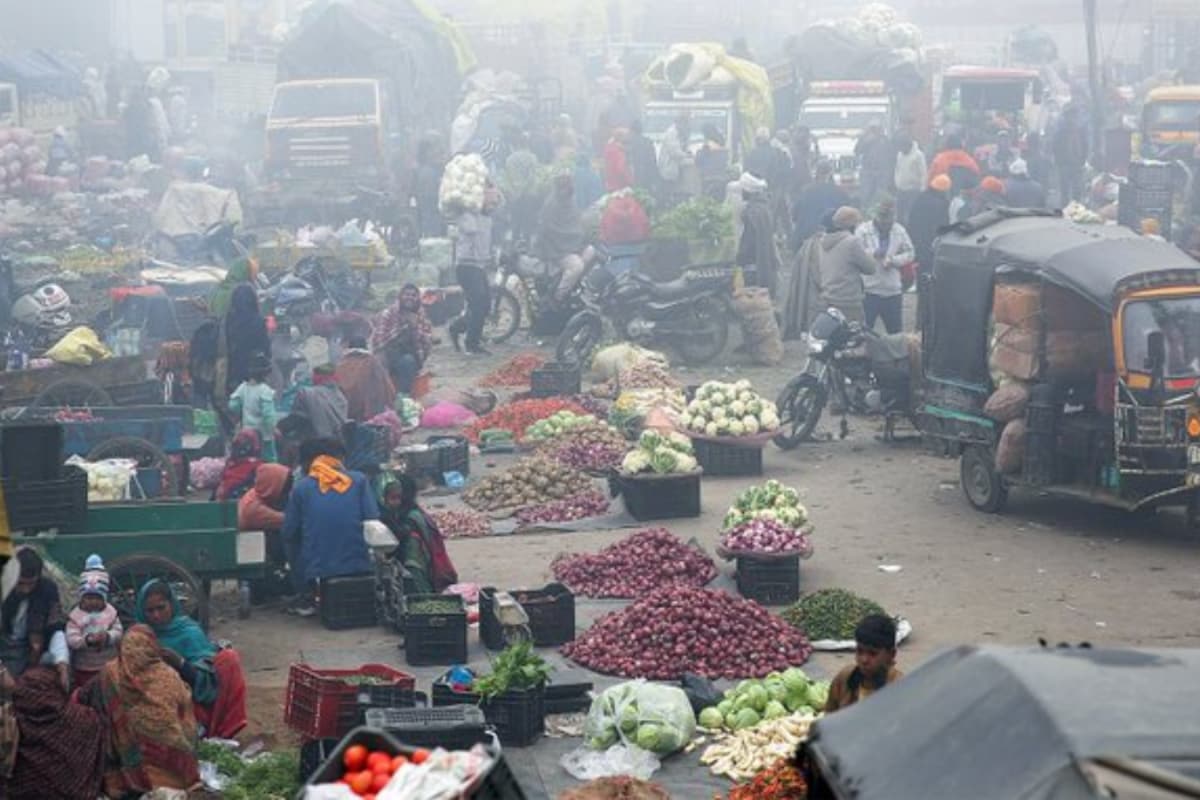
In an era of digital transformation, cash remains the preferred payment method for many, with a significant portion of the world's population still relying on physical currency for daily transactions. This trend is particularly prominent in developing countries, where the shift to digital payments is slower due to various economic and infrastructural factors.
According to a recent global survey, approximately 80% of transactions in developing countries are still conducted using cash. This statistic highlights the enduring importance of physical currency, especially in regions with limited access to digital banking services and infrastructure. For instance, in India, a country with a population of over 1.3 billion, cash remains the primary payment method for a majority of its citizens. Despite the government's push for digital initiatives like the Unified Payments Interface (UPI) and the rise of e-wallets, cash transactions dominate the retail landscape. This preference for cash is deeply rooted in cultural and economic factors, including a large unbanked population, a thriving informal economy, and a preference for tangible money.
However, the global trend is gradually shifting towards digital payments. Countries like Sweden and Norway are leading the way in cashless transactions, with over 80% of their populations preferring card or mobile payments. This shift is attributed to robust digital infrastructure, widespread internet access, and a culture of trust in digital banking systems. In contrast, developing nations face challenges such as limited internet penetration, inadequate banking facilities, and a lack of trust in digital payment methods, which hinder the adoption of cashless transactions.
As the world progresses towards a more digital future, the transition from cash to digital payments will likely continue. However, the pace of this transformation will vary, with developing countries taking more time to embrace digital payment systems fully. The future of global payments will be a diverse landscape, with cash and digital methods co-existing, each serving the unique needs of different regions and populations.
Search
Categories
Recent News
- Hyderabad's Drug Supply Chain Unravelled
- Hyderabad's New Year's Eve: Safety Meets Celebration
- Telangana's Drug Crisis: A Lifeline for Victims and Families
- Amberpet Tragedy: Young Woman's Life Cut Short
- Allegations of Harassment Rock Women's University
- Twin Cities' Alarming Drunk Driving Surge
- Hyderabad Cracks Down on Drunk Driving
- Hyderabad Man Loses Rs 75 Lakh in Online Betting Scam
Popular News
- Navigating IPO Market Dynamics Amid Volatility and Regulatory Changes
- Innovative Green Practices and Environmental Initiative
- Massive Worldwide Microsoft Outage Disrupts Multiple Sectors
- తెలుగుదేశం పార్టీ - పేదరికాన్ని నిర్మూలించడంలో వాగ్దానం
- Universities Embrace Remote Learning Technologies Amidst Ongoing Pandemic