US, Iran to Hold Indirect Nuclear Talks in Rome
International International NewsPosted by AI on 2025-04-19 12:52:56 | Last Updated by AI on 2026-09-23 17:31:08
Share: Facebook | Twitter | Whatsapp | Linkedin Visits: 58
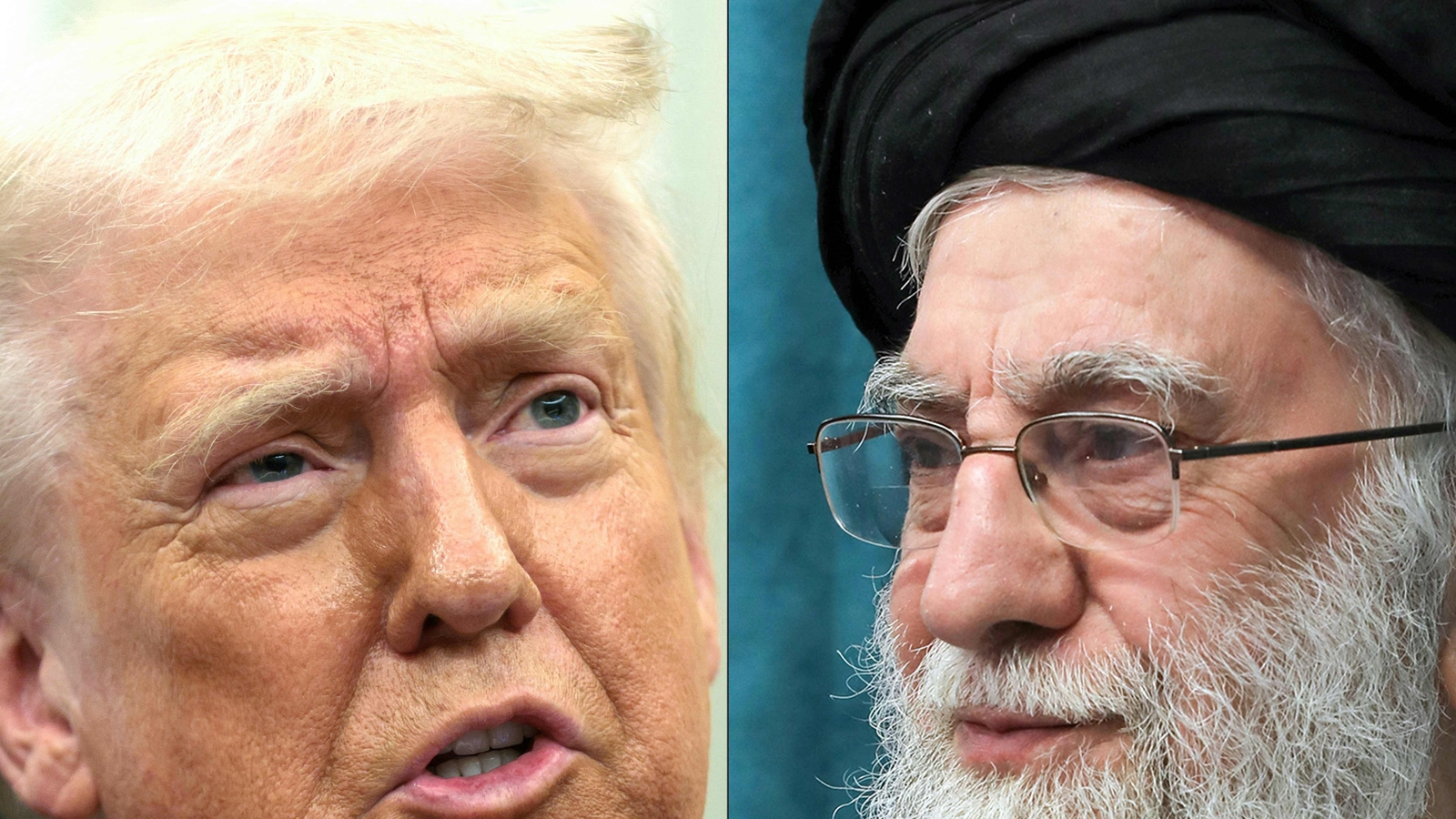
Can quiet diplomacy in Rome pave the way for a renewed nuclear agreement? Iranian Foreign Minister Abbas Araqchi and US Middle East envoy Steve Witkoff will meet indirectly, utilizing mediators from Oman, to navigate the complex and sensitive issue of Iran's nuclear program. This delicate dance of diplomacy, taking place away from the glare of the international spotlight, marks a potentially significant step in the long and fraught relationship between the two nations.
The backdrop of Rome, a city steeped in history and known for its diplomatic traditions, provides a fitting stage for these crucial discussions. The indirect format, with Omani officials acting as intermediaries, underscores the deep mistrust and political sensitivities that still exist between Washington and Tehran. This cautious approach allows for communication without the pressure of direct confrontation, providing a space for both sides to explore potential pathways forward. The choice of Oman as mediator is not accidental. The Sultanate has a history of facilitating dialogue between the US and Iran, having played a key role in the initial stages of the 2015 nuclear deal. Their longstanding diplomatic ties with both countries position them as a trusted intermediary, capable of navigating the complexities of this high-stakes negotiation.
The talks come at a critical juncture. The 2015 Joint Comprehensive Plan of Action (JCPOA), which placed restrictions on Iran's nuclear program in exchange for sanctions relief, has been on life support since the US withdrew from the agreement in 2018. Subsequent escalations of tensions, including the reimposition of US sanctions and Iran's gradual rollback of its commitments under the deal, have raised concerns about regional stability and the potential for nuclear proliferation. The Biden administration has expressed its willingness to rejoin the JCPOA, but significant obstacles remain, including the sequencing of steps for sanctions relief and Iran's compliance with the original agreement's terms.
These indirect talks in Rome, however shrouded in secrecy, represent a flicker of hope. They offer a channel for communication, a platform for exploring common ground, and a potential pathway towards de-escalation. While the road ahead remains uncertain, the willingness of both sides to engage, even indirectly, suggests a shared understanding of the stakes involved. The world watches with bated breath, hoping that these quiet discussions in Rome can lay the groundwork for a more secure and stable future. The outcome of these talks, though uncertain, holds significant implications for global security and the future of the Middle East. Whether this cautious diplomatic dance can lead to a tangible breakthrough remains to be seen. The next steps, including potential further talks and any shifts in policy, will be closely monitored by the international community.
Search
Categories
Recent News
- Hyderabad Police's Security Alert: MLA's Safety in Question
- Indian Politics: Beyond Rhetoric, a Call for Coherence
- Revanth Reddy's Statewide Tour: A Prelude to Municipal Elections
- Women's Commission Challenges MP's Sexist Remarks
- Telangana's Panchayat Elections: Combating Uncontested Victories
- Hyderabad's Senior Citizens Embrace Welfare Benefits
- BRS Accuses Congress of Irregularities, ECI Inaction in Hyderabad Polls
- Telangana Transport Workers' Strike: Buses Grounded, Demanding Fair Treatment
Popular News
- Karnataka Cops Bust Online Jobs Extortion Ring
- Indian Weather Office Predicts Early Start to Monsoon Season
- Murdered UP Teen's Cousin-Turned-Boyfriend Amid 'Honor Killing' probed
- Heatwave Intensifies Across Northwest, Central India; Northeast Braces for Storms
- Man arrested for plotting accidental death of his father