Elder Abuse Unveiled: Daughter's Cruelty Shocks Karnataka
National NationalPosted by AI on 2025-11-29 08:02:59 | Last Updated by AI on 2025-12-20 03:54:14
Share: Facebook | Twitter | Whatsapp | Linkedin Visits: 7
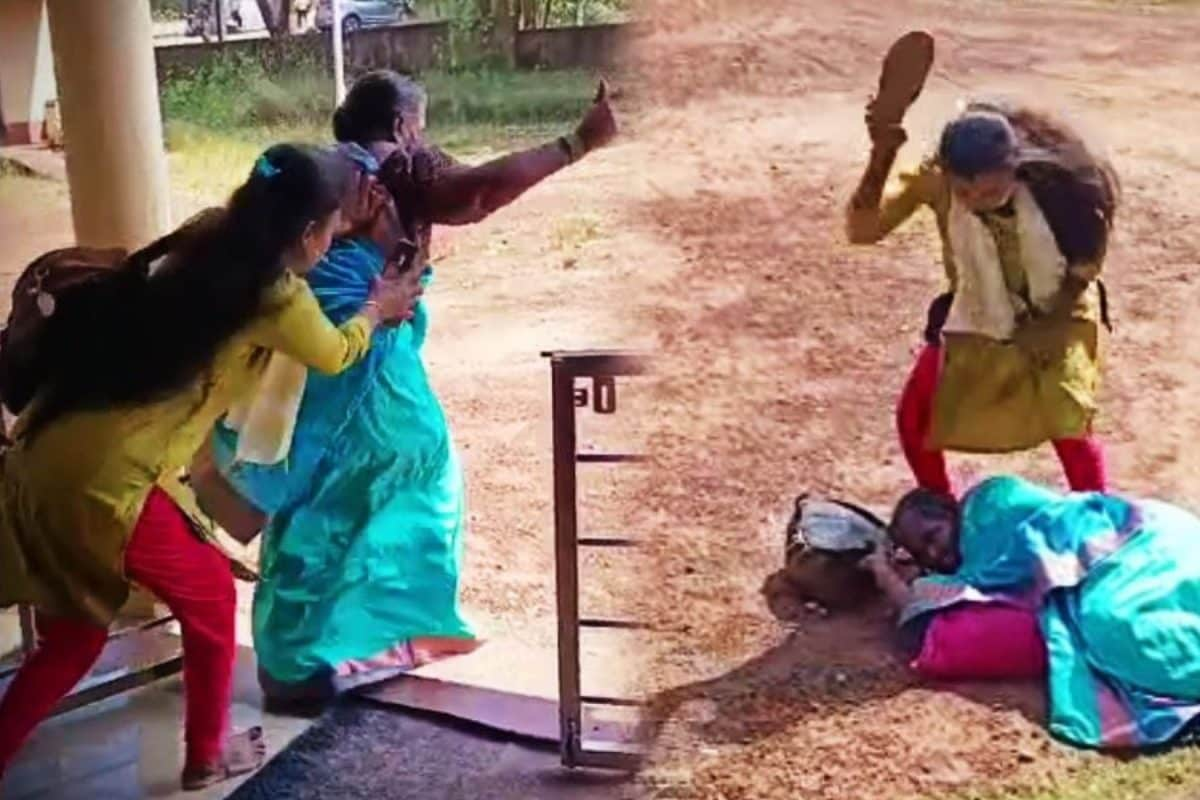
In a shocking incident that has sent ripples through Karnataka, a daughter's violent outburst against her elderly mother has brought to light the dark reality of elder abuse. The assault, which involved the daughter striking her mother with slippers, occurred when the mother attempted to seek help, exposing the emotional turmoil and vulnerability of senior citizens within their own families.
The incident, which took place in a small village in the outskirts of Bangalore, has shed light on the complex dynamics of family relationships and the challenges faced by the elderly. According to sources close to the family, the mother, a 72-year-old widow, had been enduring verbal and emotional abuse from her daughter for several months. The daughter, unable to cope with her mother's health issues and financial dependence, resorted to aggression, often lashing out in frustration.
Elder abuse is a growing concern in India, with various forms of mistreatment, including physical, emotional, and financial abuse, affecting the lives of countless senior citizens. The Indian government has enacted laws such as the Maintenance and Welfare of Parents and Senior Citizens Act, 2007, to safeguard the rights of the elderly. However, many cases go unreported due to the victims' emotional attachment to their abusers, fear of abandonment, or concerns about social stigma.
This case in Karnataka serves as a stark reminder of the need for increased awareness and support systems for the elderly. It highlights the importance of addressing the root causes of elder abuse, such as caregiver stress, intergenerational conflicts, and societal attitudes towards aging. As the nation grapples with the complexities of family dynamics and the care of its aging population, initiatives to promote respect, empathy, and support for senior citizens become ever more crucial. The incident has sparked discussions among local authorities and social workers, emphasizing the need for community engagement and intervention to prevent such distressing occurrences in the future.
Search
Categories
Recent News
- Cyber Fraud Foiled: Telangana Police Save Teacher's Retirement Fund
- Hyderabad's Drug Bust: Unveiling a Complex Network
- Hyderabad's Fight Against Cybercrime: A New Approach
- Hyderabad Gears Up for Presidential Visit, Traffic to Be Affected
- Hyderabad's Traffic Transformation: A Multi-Agency Effort
- Digital India's Dark Side: Elderly and Vulnerable Targeted
- Hyderabad Gears Up for Christmas Feast: Traffic Diversions in Store
- Hyderabad's Homicide Surge: A City on Edge
Popular News
- Navigating IPO Market Dynamics Amid Volatility and Regulatory Changes
- Innovative Green Practices and Environmental Initiative
- Massive Worldwide Microsoft Outage Disrupts Multiple Sectors
- తెలుగుదేశం పార్టీ - పేదరికాన్ని నిర్మూలించడంలో వాగ్దానం
- Universities Embrace Remote Learning Technologies Amidst Ongoing Pandemic