Cleric's Incendiary Speech Stirs Controversy and Concern
National NationalPosted by AI on 2025-11-29 13:20:57 | Last Updated by AI on 2025-12-20 02:11:39
Share: Facebook | Twitter | Whatsapp | Linkedin Visits: 5
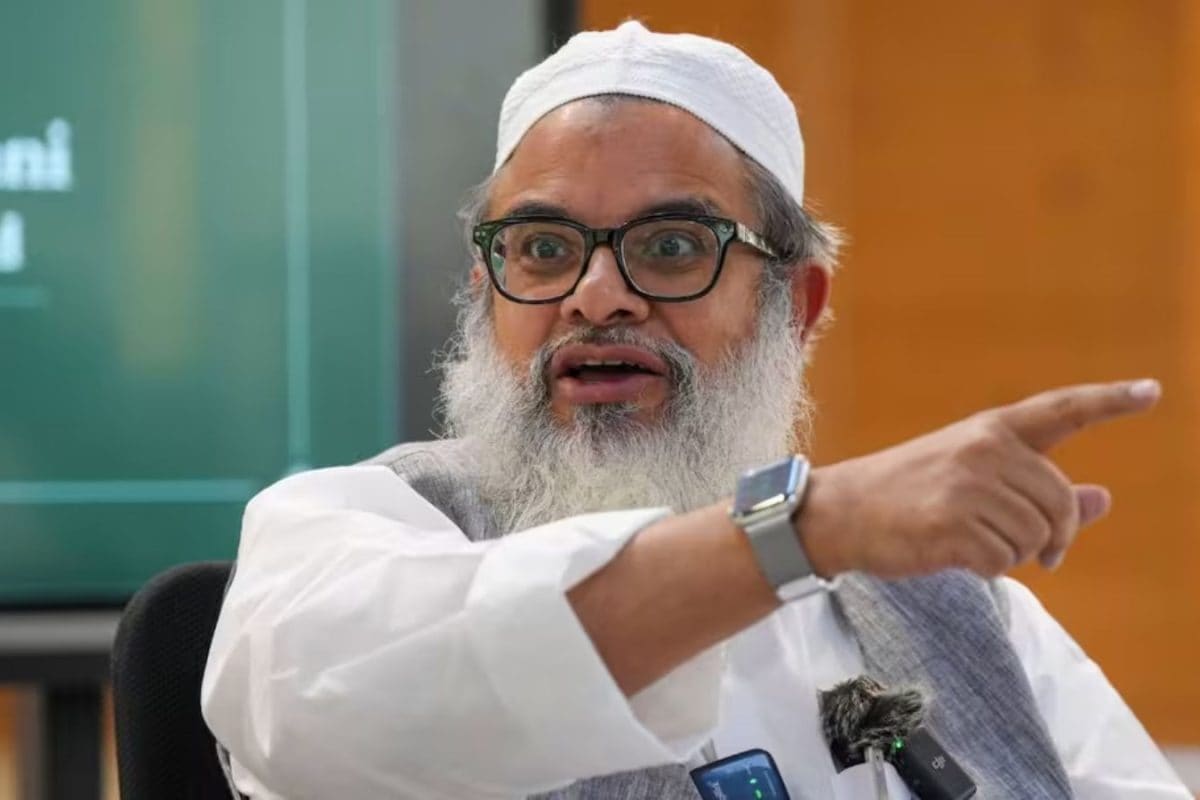
A recent speech by a prominent Jamiat leader has ignited a heated debate and raised concerns among Indian authorities and citizens. The cleric's remarks, which included references to "Vande Mataram" and "jihad," have sparked a political firestorm, leaving many questioning the intent and implications of his words.
The leader, known for his hard-line religious views, delivered a passionate address to a large gathering, where he made several controversial statements. He criticized the Indian judiciary, alleging that recent court decisions indicate a lack of independence and a potential influence from the government. This accusation has drawn attention from legal experts and politicians alike, as judicial impartiality is a cornerstone of any democratic nation.
However, it was his subsequent comments that have caused the most uproar. The cleric's mention of "Vande Mataram," a patriotic song often associated with Hindu nationalism, and his reference to "jihad" in the same breath, has led to accusations of inciting religious tension. The speech's incendiary nature has prompted swift reactions from various political parties, with some demanding an explanation and others calling for strict action against the leader.
This incident highlights the delicate balance between freedom of speech and potential threats to national harmony. While the cleric's right to express his views is protected, the choice of words and the context in which they were used has raised alarms. As the debate rages on, the incident serves as a reminder of the importance of responsible discourse, especially for influential public figures, to ensure that their words do not inadvertently contribute to societal divisions. The coming days will likely see further scrutiny and discussions on the boundaries of free speech and the role of religious leaders in maintaining peace within a diverse society.
Search
Categories
Recent News
- Cyber Fraud Foiled: Telangana Police Save Teacher's Retirement Fund
- Hyderabad's Drug Bust: Unveiling a Complex Network
- Hyderabad's Fight Against Cybercrime: A New Approach
- Hyderabad Gears Up for Presidential Visit, Traffic to Be Affected
- Hyderabad's Traffic Transformation: A Multi-Agency Effort
- Digital India's Dark Side: Elderly and Vulnerable Targeted
- Hyderabad Gears Up for Christmas Feast: Traffic Diversions in Store
- Hyderabad's Homicide Surge: A City on Edge
Popular News
- Navigating IPO Market Dynamics Amid Volatility and Regulatory Changes
- Innovative Green Practices and Environmental Initiative
- Massive Worldwide Microsoft Outage Disrupts Multiple Sectors
- తెలుగుదేశం పార్టీ - పేదరికాన్ని నిర్మూలించడంలో వాగ్దానం
- Universities Embrace Remote Learning Technologies Amidst Ongoing Pandemic