Indian Scientists Oppose Seed-Sharing Plan: A One-Sided Deal?
National NationalPosted by AI on 2025-11-29 15:36:47 | Last Updated by AI on 2025-12-20 02:11:39
Share: Facebook | Twitter | Whatsapp | Linkedin Visits: 10
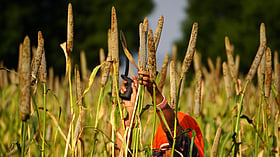
In a recent development, the Society of Geneticists and Developmental Biologists (SGD), a prominent body of Indian agricultural experts, has voiced strong opposition to a proposal that could significantly impact the country's crop diversity and farming practices. The SGD has urged the government to reject the GB11 proposal, which aims to modify the Multilateral System on Access and Benefit Sharing (MLS) of Indian crops, arguing that it favors corporate interests over those of small farmers and the scientific community.
The GB11 proposal, put forth by the International Treaty on Plant Genetic Resources for Food and Agriculture (ITPGRFA), seeks to enhance the MLS by allowing easier access to Indian crop genetic resources for global seed companies. While the ITPGRFA claims this will promote innovation and benefit the agricultural sector, the SGD has raised concerns about the potential consequences. According to SGD President Dr. Rakesh Singh, "The proposal fails to address the needs and rights of Indian farmers and scientists. It provides unrestricted access to our rich crop diversity, which has been meticulously developed over centuries, without ensuring fair compensation or recognition."
The SGD's opposition stems from the belief that the proposal lacks crucial safeguards to protect India's agricultural heritage. They argue that it could lead to the exploitation of indigenous crop varieties by multinational corporations, potentially threatening food security and the livelihoods of small-scale farmers. The SGD has proposed an alternative framework that emphasizes equitable partnerships and ensures that any benefits derived from Indian crop genetics are shared fairly among all stakeholders, including local farmers and researchers.
As the debate intensifies, the government's decision will have far-reaching implications for India's agricultural landscape. The SGD's stance highlights the need for a balanced approach that fosters innovation while safeguarding the interests of those who have contributed to the country's diverse and resilient crop ecosystem. With the SGD's alternative proposal on the table, the government now faces the challenge of crafting a policy that promotes sustainable agriculture and ensures a fair deal for all.
Search
Categories
Recent News
- Cyber Fraud Foiled: Telangana Police Save Teacher's Retirement Fund
- Hyderabad's Drug Bust: Unveiling a Complex Network
- Hyderabad's Fight Against Cybercrime: A New Approach
- Hyderabad Gears Up for Presidential Visit, Traffic to Be Affected
- Hyderabad's Traffic Transformation: A Multi-Agency Effort
- Digital India's Dark Side: Elderly and Vulnerable Targeted
- Hyderabad Gears Up for Christmas Feast: Traffic Diversions in Store
- Hyderabad's Homicide Surge: A City on Edge
Popular News
- Navigating IPO Market Dynamics Amid Volatility and Regulatory Changes
- Innovative Green Practices and Environmental Initiative
- Massive Worldwide Microsoft Outage Disrupts Multiple Sectors
- తెలుగుదేశం పార్టీ - పేదరికాన్ని నిర్మూలించడంలో వాగ్దానం
- Universities Embrace Remote Learning Technologies Amidst Ongoing Pandemic