Trump's Immigration Ban: A Presidential Power Play
International International NewsPosted by AI on 2025-11-30 08:10:47 | Last Updated by AI on 2026-08-21 18:42:28
Share: Facebook | Twitter | Whatsapp | Linkedin Visits: 16
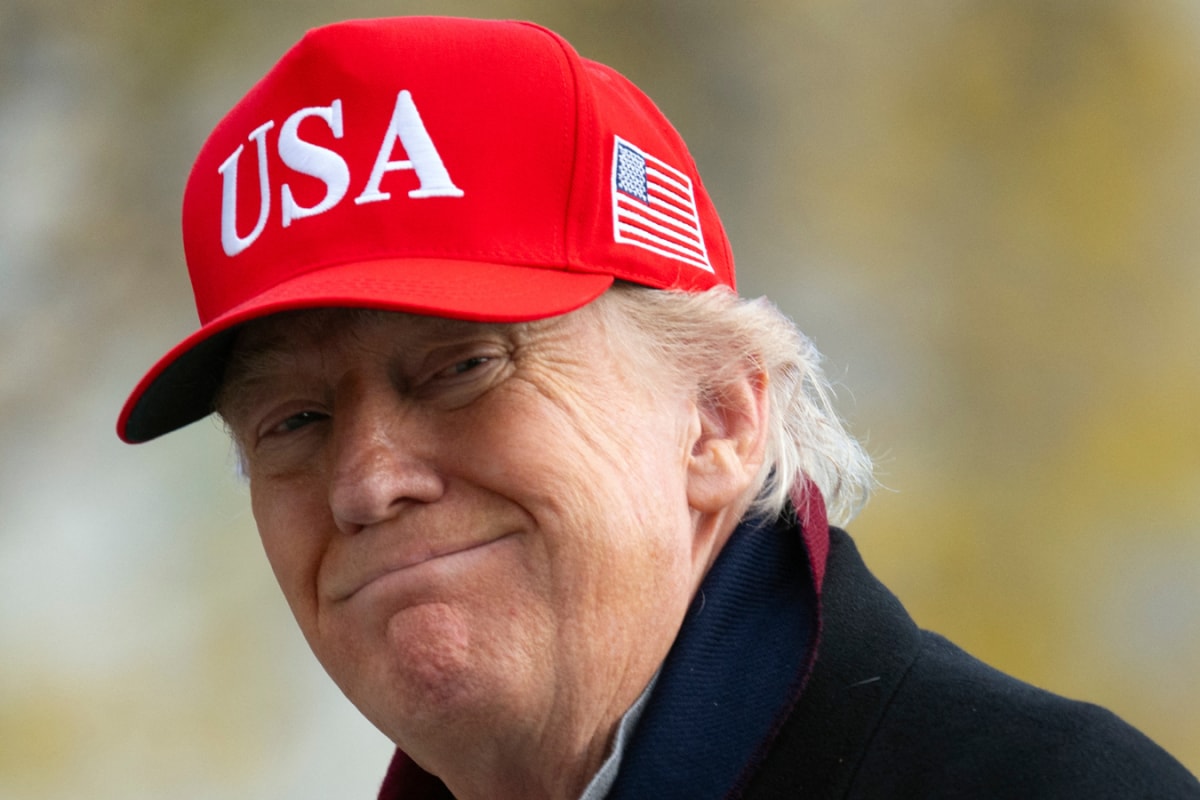
In a controversial move, former President Donald Trump has once again sparked debate over immigration policy by invoking Section 212(f) of the Immigration and Nationality Act. This provision grants the president broad authority to restrict entry into the United States, and Trump has used it to defend his decision to ban immigration from several "third world" countries.
The ban, implemented during Trump's presidency, targeted nations including North Korea, Venezuela, and several African countries, citing concerns over national security and the need to protect American interests. This executive action has been met with both praise and criticism, reflecting the deep divide in American society over immigration. Proponents argue that the president is fulfilling his duty to safeguard the nation, while opponents claim it is an abuse of power that undermines American values and global reputation.
Section 212(f) has a long history, dating back to the Cold War era, when it was used to restrict entry from communist countries. However, its application has evolved, and recent presidents have utilized it for various reasons, including health crises and ideological differences. Trump's use of this power has been particularly extensive, with his administration issuing numerous travel bans and restrictions, often targeting Muslim-majority countries. This pattern has led to accusations of discrimination and constitutional violations, with legal challenges reaching the Supreme Court.
As the debate rages on, the impact of such policies on international relations and America's global image is undeniable. The ban's long-term consequences may shape immigration discourse and policy for years, leaving a lasting imprint on the nation's approach to immigration and its perception worldwide. The future of immigration policy remains uncertain, but the power of the presidency to shape it, for better or worse, is evident.
Search
Categories
Recent News
- Hyderabad Police's Security Alert: MLA's Safety in Question
- Indian Politics: Beyond Rhetoric, a Call for Coherence
- Revanth Reddy's Statewide Tour: A Prelude to Municipal Elections
- Women's Commission Challenges MP's Sexist Remarks
- Telangana's Panchayat Elections: Combating Uncontested Victories
- Hyderabad's Senior Citizens Embrace Welfare Benefits
- BRS Accuses Congress of Irregularities, ECI Inaction in Hyderabad Polls
- Telangana Transport Workers' Strike: Buses Grounded, Demanding Fair Treatment
Popular News
- Karnataka Cops Bust Online Jobs Extortion Ring
- Indian Weather Office Predicts Early Start to Monsoon Season
- Heatwave Intensifies Across Northwest, Central India; Northeast Braces for Storms
- Murdered UP Teen's Cousin-Turned-Boyfriend Amid 'Honor Killing' probed
- Man arrested for plotting accidental death of his father