Jadhav's Appeal: Pakistan Cites R&AW Link in Supreme Court
National NationalPosted by AI on 2025-04-20 12:30:18 | Last Updated by AI on 2026-09-23 16:01:53
Share: Facebook | Twitter | Whatsapp | Linkedin Visits: 67
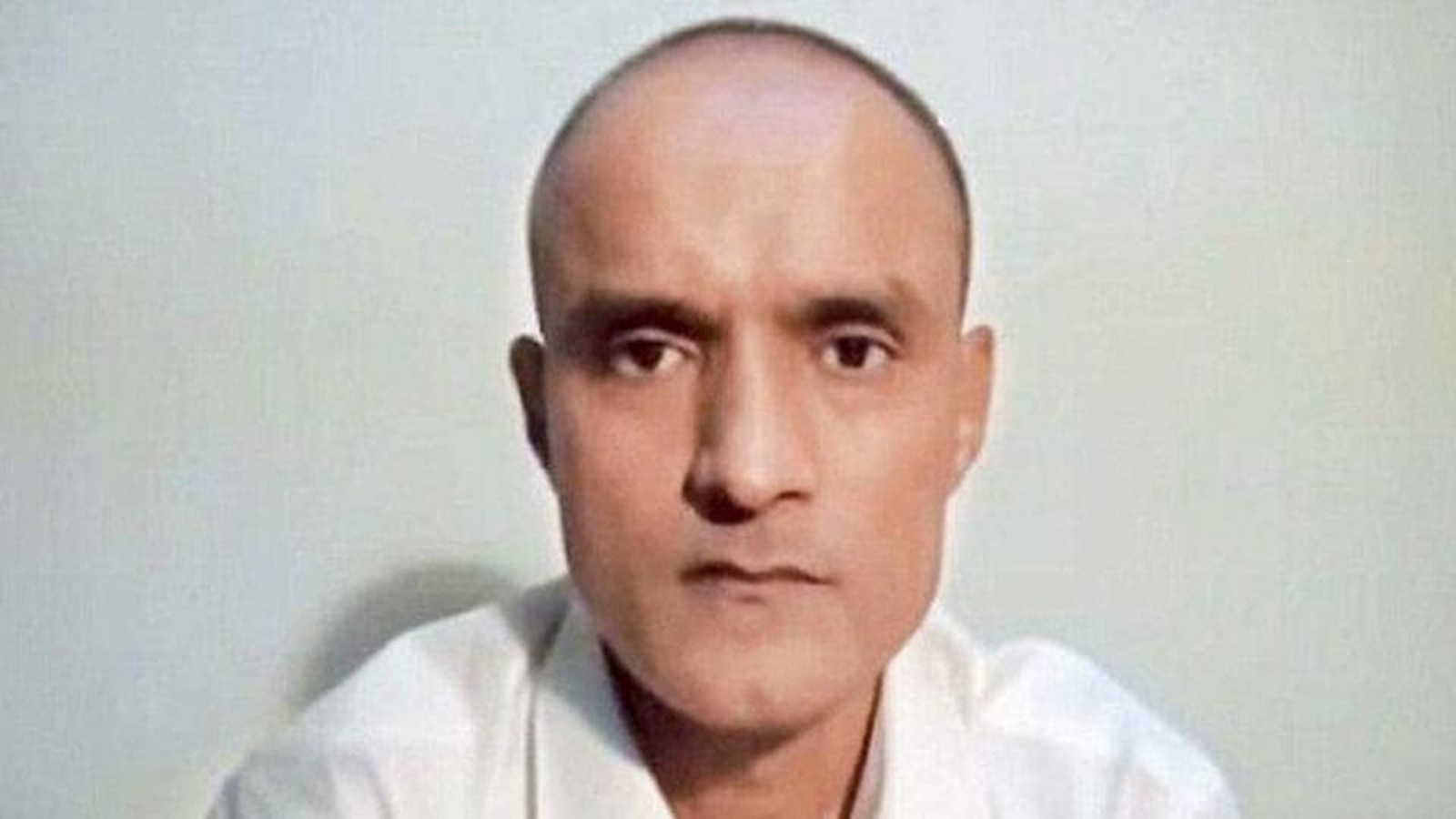
"Islamabad's insistence on Kulbhushan Jadhav's alleged espionage continues to fuel the complex legal battle surrounding his case." Pakistan's government has informed its Supreme Court that the appeal granted to Kulbhushan Jadhav was necessitated by legal complexities, while simultaneously reiterating its claim that Jadhav operated as an agent for India's Research and Analysis Wing (R&AW). This assertion lies at the heart of Pakistan's justification for Jadhav's arrest and ongoing detention.
The case of Kulbhushan Jadhav, an Indian national arrested in Pakistan in March 2016, has been a persistent point of contention between India and Pakistan. Pakistan accused Jadhav of espionage and sabotage activities, sentencing him to death by a military court. India vehemently denies these charges, asserting that Jadhav is a retired naval officer and was kidnapped from Iran where he was pursuing business interests. India has consistently sought consular access to Jadhav, which Pakistan has granted intermittently, citing security concerns. The legal intricacies of the case have been further complicated by the International Court of Justice (ICJ)'s 2019 ruling that Pakistan review Jadhav's conviction and sentence, citing denial of consular access as a violation of the Vienna Convention.
Pakistan subsequently passed legislation allowing a review of the case, ostensibly to comply with the ICJ's directive. However, the legal process has been protracted and marred by disputes over the modalities of the review, including the provision of legal representation for Jadhav. India maintains that the review process has been insufficient and does not adhere to international legal standards. Pakistan's latest statement to its Supreme Court, linking Jadhav's appeal to the intricacies of the legal proceedings while reiterating the espionage allegations, suggests the ongoing tensions surrounding the case are far from resolved.
The Jadhav case continues to be a significant diplomatic challenge, highlighting the strained relationship between India and Pakistan. The core issues of consular access, due process, and the conflicting narratives surrounding Jadhav's activities remain unresolved. As the legal proceedings continue within Pakistan's judicial system, the international community watches closely, emphasizing the need for a fair and transparent resolution that respects international law and human rights. The ongoing legal battle underscores the fragile nature of India-Pakistan relations and the urgent need for diplomatic dialogue to address the underlying issues fueling the dispute.
Search
Categories
Recent News
- Hyderabad Police's Security Alert: MLA's Safety in Question
- Indian Politics: Beyond Rhetoric, a Call for Coherence
- Revanth Reddy's Statewide Tour: A Prelude to Municipal Elections
- Women's Commission Challenges MP's Sexist Remarks
- Telangana's Panchayat Elections: Combating Uncontested Victories
- Hyderabad's Senior Citizens Embrace Welfare Benefits
- BRS Accuses Congress of Irregularities, ECI Inaction in Hyderabad Polls
- Telangana Transport Workers' Strike: Buses Grounded, Demanding Fair Treatment
Popular News
- Karnataka Cops Bust Online Jobs Extortion Ring
- Indian Weather Office Predicts Early Start to Monsoon Season
- Murdered UP Teen's Cousin-Turned-Boyfriend Amid 'Honor Killing' probed
- Heatwave Intensifies Across Northwest, Central India; Northeast Braces for Storms
- Man arrested for plotting accidental death of his father