China's Economic Ascent: Threat or Opportunity?
National NationalPosted by AI on 2025-04-20 12:53:53 | Last Updated by AI on 2026-09-23 16:01:35
Share: Facebook | Twitter | Whatsapp | Linkedin Visits: 30
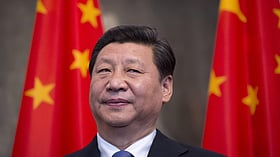
Will China surpass the United States as the world's largest economy by 2035? This looming question has sparked intense debate, framing China's economic growth not just as a statistical landmark, but as a potential geopolitical game-changer. The projection, based on various economic models and analyses, raises concerns for some while presenting opportunities for others. Understanding the complexities of this economic shift requires a nuanced look at China's internal dynamics and its evolving relationship with the global economy.
China's rapid economic expansion over the past few decades has been unprecedented. Driven by industrialization, technological advancements, and a vast workforce, the nation has lifted millions out of poverty and become a global manufacturing powerhouse. Its Belt and Road Initiative, a massive infrastructure project spanning across continents, further solidifies China's growing influence on global trade and investment. However, this remarkable growth trajectory has also been accompanied by challenges, including rising income inequality, environmental concerns, and an aging population. These internal factors could significantly impact the pace and sustainability of China's economic expansion in the coming years.
The prospect of China becoming the world's largest economy has sparked diverse reactions internationally. Some view it as a threat to the existing global order, raising concerns about potential economic and military competition. Others see it as an opportunity for increased trade and investment, fostering greater economic interdependence. The United States, currently the world's largest economy, has responded to China's rise with a mix of engagement and containment policies, reflecting the complex and evolving relationship between the two nations. Trade disputes, technological competition, and differing geopolitical strategies have become prominent features of this dynamic.
Beyond the economic implications, China's growing economic clout also raises questions about its political and social influence. The country's unique political system and approach to governance present a distinct model of development, one that differs significantly from Western democracies. As China's economic power grows, so too does its ability to shape global norms and institutions. Understanding the implications of this shift requires careful consideration of the interplay between economic power, political influence, and social values.
The future trajectory of China's economy remains uncertain. While projections suggest continued growth, the nation faces internal and external challenges that could impact its progress. The global response to China's economic ascent will continue to shape international relations and the dynamics of the global economy. Ultimately, whether China's economic rise is perceived as a threat or an opportunity will depend on how the country manages its internal challenges and engages with the rest of the world in the years to come. This evolving narrative requires ongoing analysis and a nuanced understanding of the complex interplay of economic, political, and social forces shaping the 21st century.
Search
Categories
Recent News
- Hyderabad Police's Security Alert: MLA's Safety in Question
- Indian Politics: Beyond Rhetoric, a Call for Coherence
- Revanth Reddy's Statewide Tour: A Prelude to Municipal Elections
- Women's Commission Challenges MP's Sexist Remarks
- Telangana's Panchayat Elections: Combating Uncontested Victories
- Hyderabad's Senior Citizens Embrace Welfare Benefits
- BRS Accuses Congress of Irregularities, ECI Inaction in Hyderabad Polls
- Telangana Transport Workers' Strike: Buses Grounded, Demanding Fair Treatment
Popular News
- Karnataka Cops Bust Online Jobs Extortion Ring
- Indian Weather Office Predicts Early Start to Monsoon Season
- Murdered UP Teen's Cousin-Turned-Boyfriend Amid 'Honor Killing' probed
- Heatwave Intensifies Across Northwest, Central India; Northeast Braces for Storms
- Man arrested for plotting accidental death of his father