GPS Tolling Pilot Program Announced, FASTag Remains
National NationalPosted by AI on 2025-04-20 14:52:40 | Last Updated by AI on 2026-09-23 16:45:48
Share: Facebook | Twitter | Whatsapp | Linkedin Visits: 29
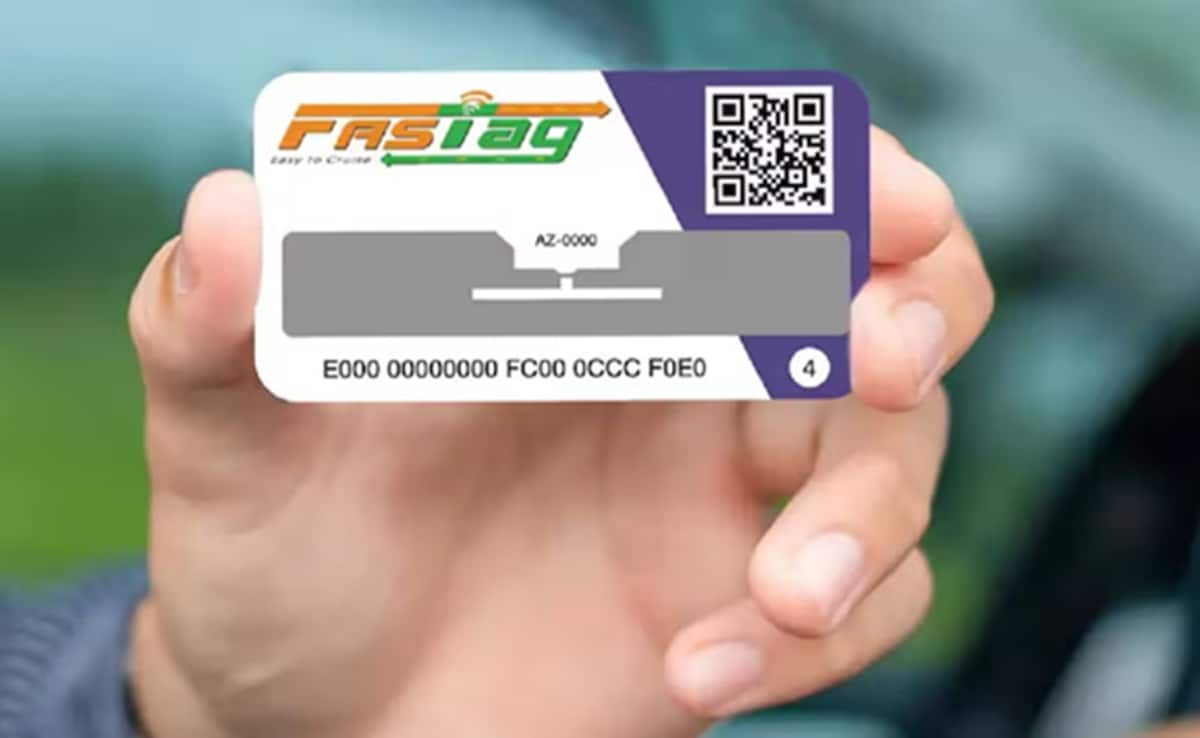
Will India's highways soon be guided by satellites instead of RFID stickers? Not quite yet. The Indian government recently clarified its position on the rumored replacement of the FASTag electronic toll collection system with a GPS-based system, stating that a hybrid model will be piloted on select routes. This pilot program will integrate GPS technology with the existing FASTag infrastructure, aiming to test the feasibility and efficiency of a more location-aware tolling mechanism. For now, drivers nationwide can breathe a sigh of relief: the familiar FASTag system will continue to operate as usual.
The Ministry clarified that the current FASTag system, which utilizes Radio Frequency Identification (RFID) technology, will not be discontinued. This system, implemented nationwide in 2021, has become integral to India's highway infrastructure. It allows for seamless, electronic toll collection, reducing congestion and travel time at toll plazas. The proposed hybrid system seeks to build upon this existing framework by incorporating GPS data. This addition could potentially enable more precise toll calculations based on actual distance traveled, especially on routes with multiple entry and exit points. It could also pave the way for dynamic pricing models, adjusting tolls based on real-time traffic conditions.
The government emphasized that the pilot program is designed to evaluate the effectiveness and practicality of the hybrid system before any decisions are made about a broader rollout. This cautious approach is intended to avoid any disruption to the current tolling system and ensure a smooth transition if and when a new technology is adopted nationwide. The specifics of the pilot program, including the chosen routes and the duration of the trial, are yet to be announced. The government will closely monitor the results of this pilot to assess the accuracy, reliability, and cost-effectiveness of the GPS-based tolling system in a real-world environment.
The introduction of a GPS-based system presents several potential advantages. It could eliminate the need for dedicated toll plazas altogether, allowing vehicles to be charged automatically based on their GPS location as they travel. This could further reduce congestion and enhance traffic flow on highways. Furthermore, the GPS data could offer valuable insights into traffic patterns and road usage, aiding in infrastructure planning and development. However, challenges such as ensuring data privacy and security, maintaining GPS accuracy in various conditions, and integrating the new system with the existing FASTag infrastructure need to be addressed. The pilot program will provide an opportunity to thoroughly examine these aspects and fine-tune the technology before any widespread implementation.
In conclusion, the governments announcement clarifies that while the exploration of GPS-based tolling is underway, FASTag will remain the standard for the foreseeable future. The planned pilot program signals a move towards modernization, but also underscores a commitment to a measured, data-driven approach. The results of the pilot will be crucial in determining the future of tolling in India, and whether a GPS-powered system can ultimately offer a more efficient and streamlined experience for millions of drivers.
Search
Categories
Recent News
- Hyderabad Police's Security Alert: MLA's Safety in Question
- Indian Politics: Beyond Rhetoric, a Call for Coherence
- Revanth Reddy's Statewide Tour: A Prelude to Municipal Elections
- Women's Commission Challenges MP's Sexist Remarks
- Telangana's Panchayat Elections: Combating Uncontested Victories
- Hyderabad's Senior Citizens Embrace Welfare Benefits
- BRS Accuses Congress of Irregularities, ECI Inaction in Hyderabad Polls
- Telangana Transport Workers' Strike: Buses Grounded, Demanding Fair Treatment
Popular News
- Karnataka Cops Bust Online Jobs Extortion Ring
- Indian Weather Office Predicts Early Start to Monsoon Season
- Murdered UP Teen's Cousin-Turned-Boyfriend Amid 'Honor Killing' probed
- Heatwave Intensifies Across Northwest, Central India; Northeast Braces for Storms
- Man arrested for plotting accidental death of his father