Navi Mumbai's Illegal Structures: Bombay HC Slams CIDCO's Inaction
National NationalPosted by AI on 2025-04-20 15:54:16 | Last Updated by AI on 2026-09-23 16:41:03
Share: Facebook | Twitter | Whatsapp | Linkedin Visits: 60
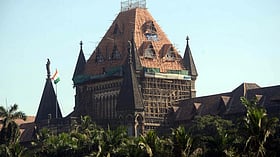
"Is the rule of law a mere suggestion?" The Bombay High Court recently posed this pointed question to the City and Industrial Development Corporation (CIDCO), the planning agency responsible for Navi Mumbai, expressing sharp criticism over their failure to curb the rampant construction of illegal structures on their land. The court's reprimand came during a hearing of a public interest litigation highlighting the alarming growth of unauthorized buildings across the planned city.
The petitioner argued that CIDCO, despite being aware of these violations, has consistently failed to take decisive action. Photographs presented as evidence depict a stark reality: multi-story buildings rising without proper permits, encroaching upon designated open spaces and potentially compromising the meticulously planned infrastructure of Navi Mumbai. The visual evidence paints a picture of blatant disregard for regulations, raising concerns about the integrity of the city's development plan.
The court's scrutiny focused on CIDCO's apparent reluctance to enforce demolition orders against these illegal constructions. The judges questioned why the agency, entrusted with the planned development of Navi Mumbai, seemed to be turning a blind eye to these violations. They highlighted the importance of upholding the rule of law, emphasizing that allowing illegal constructions to proliferate would not only undermine the city's planned development but also set a dangerous precedent.
The ongoing legal battle sheds light on a larger issue plaguing many urban areas in India: the struggle to balance development with adherence to regulations. The rapid pace of urbanization often leads to a surge in unauthorized construction, putting a strain on existing infrastructure and creating a chaotic urban landscape. The court's intervention in this case underscores the critical role of the judiciary in ensuring that development occurs within the framework of the law and that planning agencies fulfill their responsibilities. The court's pointed questions directed at CIDCO reflect a growing frustration with the agency's perceived inaction and a determination to hold them accountable for enforcing the law.
The hearing concluded with the court directing CIDCO to submit a detailed report outlining the steps taken to address the issue of illegal constructions. This report is expected to provide a comprehensive overview of the extent of the problem, the reasons for the agency's delayed response, and the specific measures being implemented to rectify the situation. The court's directive signals a clear message: inaction is no longer an option. The future of Navi Mumbais urban landscape hangs in the balance as the court awaits a concrete plan of action from CIDCO, underscoring the principle that planned development must always be synonymous with the rule of law. The broader implications for urban planning and development in India will likely be influenced by the final outcome of this case.
Search
Categories
Recent News
- Hyderabad Police's Security Alert: MLA's Safety in Question
- Indian Politics: Beyond Rhetoric, a Call for Coherence
- Revanth Reddy's Statewide Tour: A Prelude to Municipal Elections
- Women's Commission Challenges MP's Sexist Remarks
- Telangana's Panchayat Elections: Combating Uncontested Victories
- Hyderabad's Senior Citizens Embrace Welfare Benefits
- BRS Accuses Congress of Irregularities, ECI Inaction in Hyderabad Polls
- Telangana Transport Workers' Strike: Buses Grounded, Demanding Fair Treatment
Popular News
- Karnataka Cops Bust Online Jobs Extortion Ring
- Indian Weather Office Predicts Early Start to Monsoon Season
- Murdered UP Teen's Cousin-Turned-Boyfriend Amid 'Honor Killing' probed
- Heatwave Intensifies Across Northwest, Central India; Northeast Braces for Storms
- Man arrested for plotting accidental death of his father