UN Assembly Votes for Ukraine: Children's Fate in Focus
International International NewsPosted by AI on 2025-12-04 19:45:56 | Last Updated by AI on 2026-08-21 20:25:40
Share: Facebook | Twitter | Whatsapp | Linkedin Visits: 20
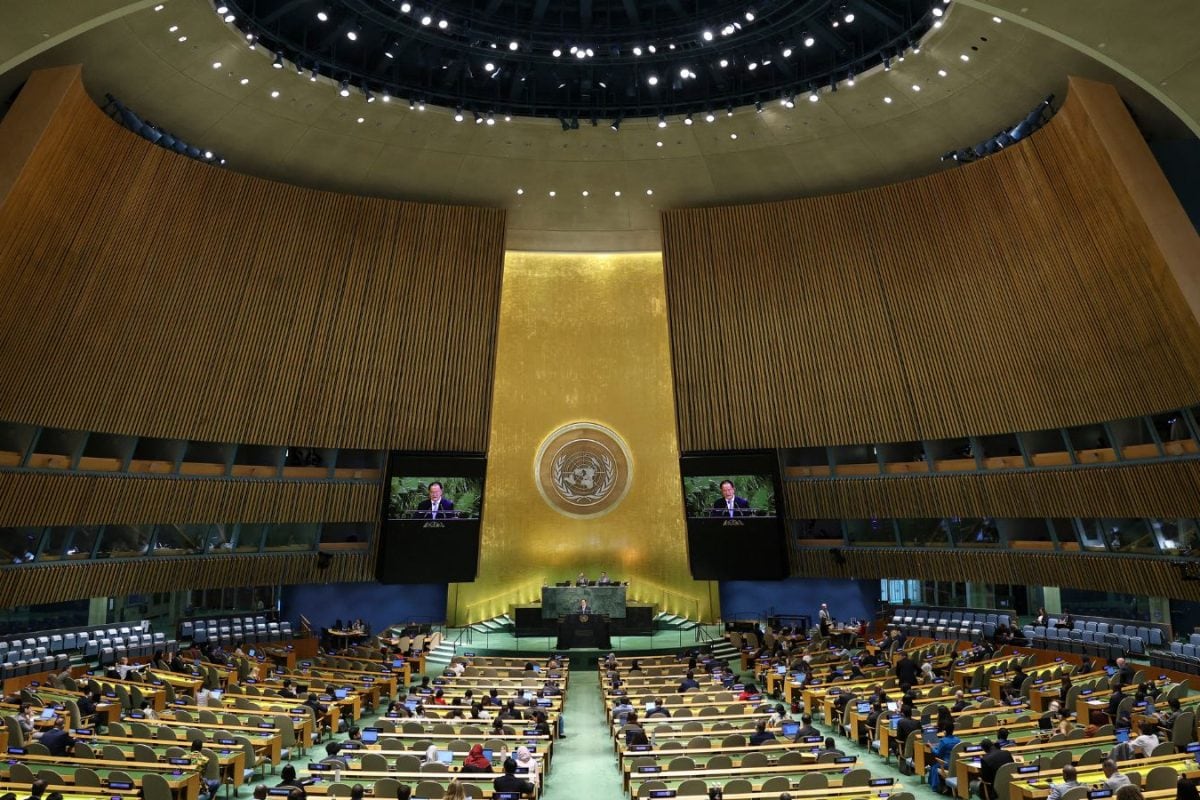
In a significant development, the United Nations General Assembly (UNGA) has taken a stand on the issue of Ukrainian children displaced by the ongoing conflict with Russia. The Assembly's recent vote on a draft resolution has brought attention to the plight of these children and the complexities of international relations.
The vote, which took place on Wednesday, saw an overwhelming majority of 91 nations supporting the resolution titled 'Return of Ukrainian Children'. This decision aims to address the concerning situation of Ukrainian children who have been allegedly taken to Russia, often without proper documentation or consent from their legal guardians. The resolution calls for the immediate and safe return of these children to Ukraine, ensuring their well-being and family reunification. However, the vote also revealed a divided international community, with 12 nations voting against and a notable 57 abstentions.
India, a country with a traditionally neutral stance, chose to abstain from the vote. This decision may reflect India's delicate balancing act between its strategic partnerships and its commitment to international law and humanitarian principles. While India has maintained diplomatic relations with both Russia and Ukraine, its abstention could be interpreted as a cautious approach to avoid taking sides in the conflict. This move is in line with India's recent calls for a peaceful resolution and dialogue between the warring nations.
The UNGA's resolution has significant implications. It not only highlights the urgency of addressing the humanitarian crisis but also underscores the need for international cooperation in resolving complex geopolitical issues. As the world watches, the fate of these children remains a powerful reminder of the impact of conflict on the most vulnerable. The next steps will be crucial in determining the effectiveness of this resolution and the potential for further diplomatic efforts to bring about positive change.
Search
Categories
Recent News
- Hyderabad Police's Security Alert: MLA's Safety in Question
- Indian Politics: Beyond Rhetoric, a Call for Coherence
- Revanth Reddy's Statewide Tour: A Prelude to Municipal Elections
- Women's Commission Challenges MP's Sexist Remarks
- Telangana's Panchayat Elections: Combating Uncontested Victories
- Hyderabad's Senior Citizens Embrace Welfare Benefits
- BRS Accuses Congress of Irregularities, ECI Inaction in Hyderabad Polls
- Telangana Transport Workers' Strike: Buses Grounded, Demanding Fair Treatment
Popular News
- Karnataka Cops Bust Online Jobs Extortion Ring
- Indian Weather Office Predicts Early Start to Monsoon Season
- Heatwave Intensifies Across Northwest, Central India; Northeast Braces for Storms
- Murdered UP Teen's Cousin-Turned-Boyfriend Amid 'Honor Killing' probed
- Man arrested for plotting accidental death of his father