Scorching Summer Ahead: Experts Demand 'Right to Cool'
National NationalPosted by AI on 2025-04-20 16:42:58 | Last Updated by AI on 2026-09-23 17:29:45
Share: Facebook | Twitter | Whatsapp | Linkedin Visits: 68
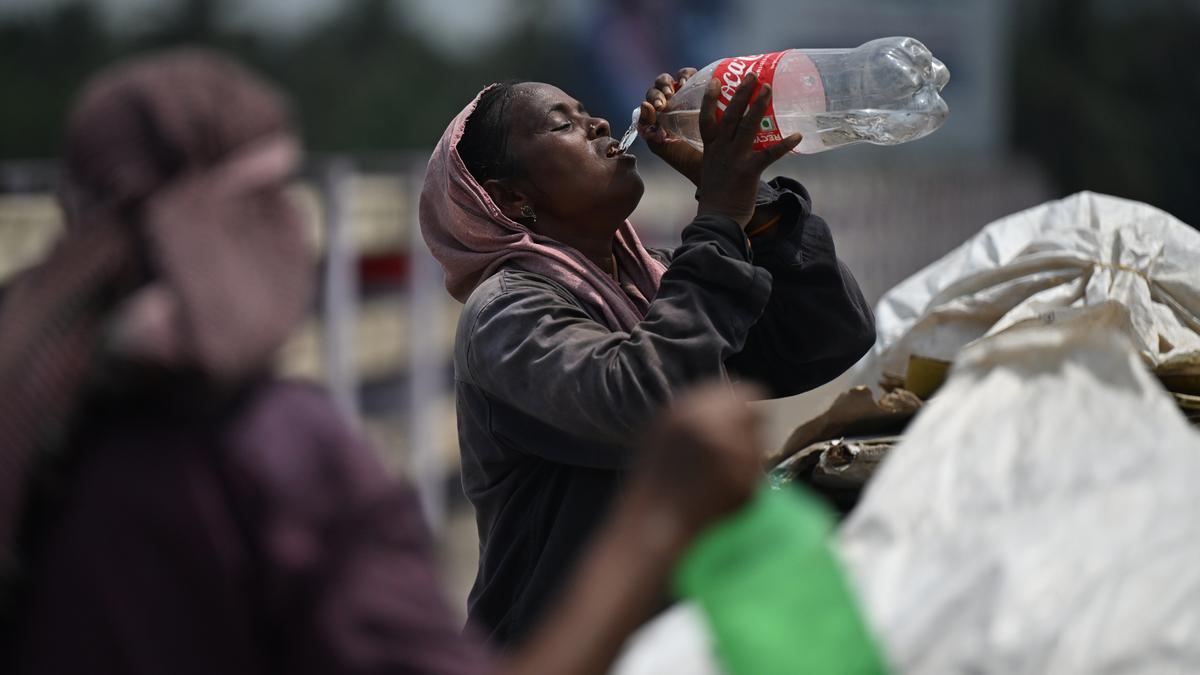
Will this summer be the hottest one yet? The India Meteorological Department (IMD), in its seasonal outlook, has issued a stark warning: India is bracing for a potentially brutal summer, with a significant increase in heatwave days predicted, especially across the northwestern plains. Rajasthan, Gujarat, Punjab, Haryana, Delhi, Uttar Pradesh, and western Madhya Pradesh are projected to bear the brunt of this intense heat. This alarming forecast has prompted climate experts to advocate for a "right to cool," emphasizing the need for enhanced heat protection measures, particularly for vulnerable informal sector workers who toil outdoors, often with minimal protection from the elements.
The IMD's warning underscores the growing threat of extreme heat in India, exacerbated by climate change. Imagine construction workers on scaffolding under the relentless sun, street vendors hawking their wares in sweltering marketplaces, or agricultural laborers toiling in scorching fields. For these millions of informal sector workers, the summer heat isn't just uncomfortableit's a serious occupational hazard. Prolonged exposure to extreme temperatures can lead to heatstroke, dehydration, and other severe health complications, impacting their livelihoods and well-being. The demand for a "right to cool" is not just about providing air conditioning; it's about ensuring access to basic heat protection measures like shaded rest areas, regular water breaks, and awareness campaigns about the dangers of heatstroke. It's about recognizing the fundamental right of every worker to a safe and healthy working environment, regardless of their occupation or employment status.
This call to action comes at a crucial juncture, as India grapples with the increasing frequency and intensity of heatwaves. The urban heat island effect, where cities trap and amplify heat, further compounds the problem in densely populated areas. The IMD's forecast serves as a wake-up call for policymakers, urban planners, and employers to prioritize heat resilience and implement effective strategies to mitigate the impact of extreme heat on vulnerable populations. This includes developing heat action plans, strengthening early warning systems, and integrating climate considerations into urban design and infrastructure. The concept of "right to cool" necessitates a comprehensive approach, encompassing everything from providing cool roofs and green spaces in urban areas to ensuring access to affordable cooling solutions and promoting behavioral changes to cope with extreme heat.
The looming summer presents a formidable challenge, demanding immediate and concerted action. The "right to cool" must move beyond mere advocacy and become a tangible reality for those who face the scorching heat every day. This requires a fundamental shift in perspective recognizing access to a safe and healthy working environment, including protection from extreme heat, as a basic human right. The future of millions of informal sector workers hinges on the effective implementation of these critical measures. Only then can India hope to build a truly resilient and equitable society capable of withstanding the growing challenges of a changing climate.
Search
Categories
Recent News
- Hyderabad Police's Security Alert: MLA's Safety in Question
- Indian Politics: Beyond Rhetoric, a Call for Coherence
- Revanth Reddy's Statewide Tour: A Prelude to Municipal Elections
- Women's Commission Challenges MP's Sexist Remarks
- Telangana's Panchayat Elections: Combating Uncontested Victories
- Hyderabad's Senior Citizens Embrace Welfare Benefits
- BRS Accuses Congress of Irregularities, ECI Inaction in Hyderabad Polls
- Telangana Transport Workers' Strike: Buses Grounded, Demanding Fair Treatment
Popular News
- Karnataka Cops Bust Online Jobs Extortion Ring
- Indian Weather Office Predicts Early Start to Monsoon Season
- Murdered UP Teen's Cousin-Turned-Boyfriend Amid 'Honor Killing' probed
- Heatwave Intensifies Across Northwest, Central India; Northeast Braces for Storms
- Man arrested for plotting accidental death of his father