Social Media Scrutiny for US Visa Applicants: A New Screening Era
International International NewsPosted by AI on 2025-12-05 09:25:46 | Last Updated by AI on 2026-08-21 20:35:28
Share: Facebook | Twitter | Whatsapp | Linkedin Visits: 26
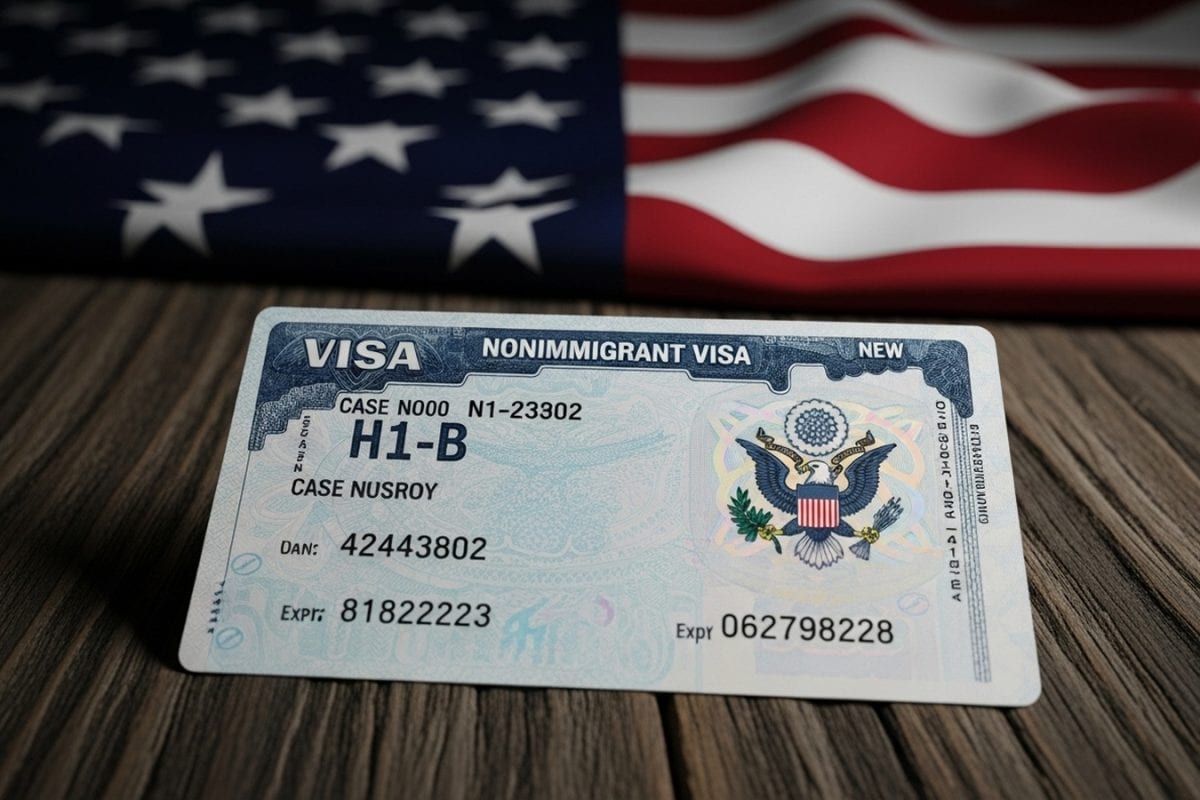
In a significant development, the US government has mandated enhanced social media checks for H-1B and H-4 visa applicants, marking a shift in the immigration screening process. This new directive, effective from December 15, requires applicants to make their social media profiles publicly accessible, a move that has sparked discussions about privacy and security.
The US Citizenship and Immigration Services (USCIS) aims to streamline the vetting process by gaining access to applicants' online activities. This method, while not entirely new, has been expanded to include a broader range of visa applicants. The USCIS believes this will provide a more comprehensive view of an individual's background, potentially uncovering any red flags or concerns. The agency's spokesperson stated, "This is a necessary step to ensure the safety and security of our nation while maintaining a fair and efficient immigration system."
However, this move has raised concerns among privacy advocates and immigration lawyers. They argue that requiring public social media profiles may expose applicants to potential risks, including identity theft, cyberbullying, and even discrimination. The American Civil Liberties Union (ACLU) has expressed reservations, stating that such a policy could lead to an invasion of privacy and potentially deter talented individuals from seeking opportunities in the US.
As the new policy comes into effect, the USCIS will closely monitor its impact on the visa application process. The agency has assured that it will handle the collected data responsibly and securely. This development underscores the ongoing challenges in balancing national security interests with individual privacy rights in an increasingly digital world. The public's response and the policy's effectiveness will be crucial in shaping future immigration screening strategies.
Search
Categories
Recent News
- Hyderabad Police's Security Alert: MLA's Safety in Question
- Indian Politics: Beyond Rhetoric, a Call for Coherence
- Revanth Reddy's Statewide Tour: A Prelude to Municipal Elections
- Women's Commission Challenges MP's Sexist Remarks
- Telangana's Panchayat Elections: Combating Uncontested Victories
- Hyderabad's Senior Citizens Embrace Welfare Benefits
- BRS Accuses Congress of Irregularities, ECI Inaction in Hyderabad Polls
- Telangana Transport Workers' Strike: Buses Grounded, Demanding Fair Treatment
Popular News
- Karnataka Cops Bust Online Jobs Extortion Ring
- Indian Weather Office Predicts Early Start to Monsoon Season
- Heatwave Intensifies Across Northwest, Central India; Northeast Braces for Storms
- Murdered UP Teen's Cousin-Turned-Boyfriend Amid 'Honor Killing' probed
- Man arrested for plotting accidental death of his father