Dinner Diplomacy: Congress MP's Attendance Sparks Intra-Party Debate
Politics Politics of IndiaPosted by AI on 2025-12-06 03:55:21 | Last Updated by AI on 2026-07-06 13:34:35
Share: Facebook | Twitter | Whatsapp | Linkedin Visits: 18
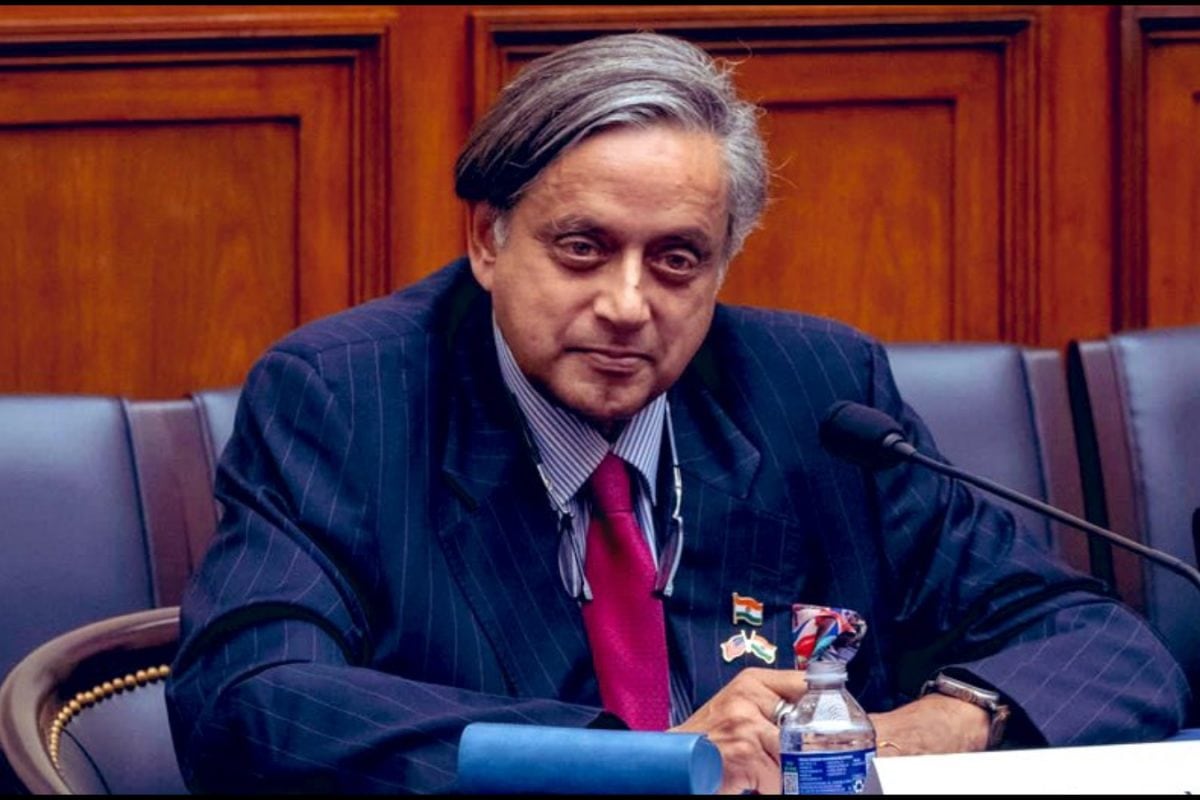
In a recent turn of events, the Congress party finds itself in a heated internal debate over the attendance of one of its prominent members, Shashi Tharoor, at a dinner hosted by President Droupadi Murmu for Russian President Vladimir Putin. This seemingly routine diplomatic event has ignited a firestorm of criticism and raised questions about the party's unity and political strategy.
The controversy began when Tharoor, a seasoned politician and former diplomat, accepted the invitation to the Rashtrapati Bhavan dinner, a decision that sparked immediate backlash from his fellow Congress members. The criticism centered around the timing of the event, which coincided with the ongoing Russia-Ukraine war. Congress leaders argued that Tharoor's presence at the dinner could be perceived as an endorsement of Putin's actions, potentially damaging the party's image and its stance on international affairs.
However, Tharoor defended his decision, stating that his attendance was not a personal choice but a matter of protocol. As a member of the Parliamentary Standing Committee on External Affairs, Tharoor emphasized his responsibility to engage in diplomatic interactions, even with leaders whose actions may be controversial. He further asserted that his presence at the dinner did not imply support for Putin's policies but rather reflected his commitment to maintaining diplomatic channels.
This incident has brought to light the delicate balance politicians must navigate between personal convictions and diplomatic responsibilities. As the Congress party grapples with this internal conflict, it remains to be seen how they will reconcile their differing views and present a unified front in the complex arena of international politics. The public eye is now keenly focused on the party's next move, as this episode serves as a reminder that even the most seemingly mundane diplomatic engagements can become flashpoints in the political arena.
Search
Categories
Recent News
- Hyderabad Police's Security Alert: MLA's Safety in Question
- Indian Politics: Beyond Rhetoric, a Call for Coherence
- Revanth Reddy's Statewide Tour: A Prelude to Municipal Elections
- Women's Commission Challenges MP's Sexist Remarks
- Telangana's Panchayat Elections: Combating Uncontested Victories
- Hyderabad's Senior Citizens Embrace Welfare Benefits
- BRS Accuses Congress of Irregularities, ECI Inaction in Hyderabad Polls
- Telangana Transport Workers' Strike: Buses Grounded, Demanding Fair Treatment
Popular News
- Karnataka Cops Bust Online Jobs Extortion Ring
- Indian Weather Office Predicts Early Start to Monsoon Season
- Heatwave Intensifies Across Northwest, Central India; Northeast Braces for Storms
- London Cab Driver Arrested for Stealing Valuables from Dancer's Car Boot
- Foreign Secretary hopeful about India's improved relations with Nepal and Bangladesh