Rupee's Plunge: A Market-Driven Journey
National NationalPosted by AI on 2025-12-06 08:29:54 | Last Updated by AI on 2025-12-11 05:24:53
Share: Facebook | Twitter | Whatsapp | Linkedin Visits: 1
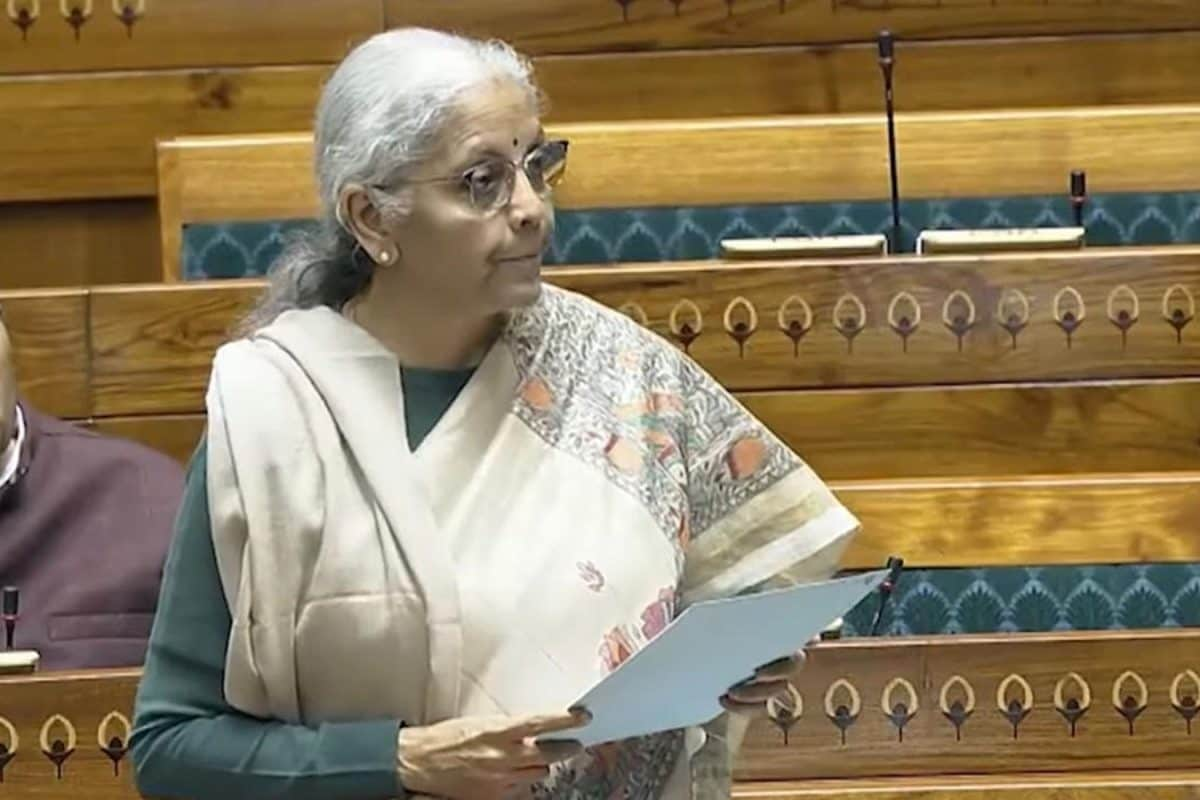
The Indian rupee's recent decline against the US dollar, reaching a new low of 90, has sparked discussions among economists and policymakers. Finance Minister Nirmala Sitharaman addresses the situation, emphasizing the need for a market-driven approach.
In a recent statement, Sitharaman asserted that the rupee's movement must be determined by market forces, despite its downward trend. This stance highlights the government's commitment to a free-floating exchange rate system, allowing the currency's value to be set by supply and demand dynamics. The Finance Minister's remarks come at a time when the rupee's depreciation has become a topic of concern for various stakeholders, from businesses to policymakers. As the rupee breaches the 90 mark, it marks a significant psychological threshold, raising questions about its future trajectory.
Sitharaman's confidence in the Indian economy's fundamentals is evident. She attributes the rupee's slide to global factors, including the strengthening of the US dollar and the ongoing geopolitical tensions. The Finance Minister also pointed out that India's robust foreign exchange reserves, currently standing at over $570 billion, provide a strong buffer against any potential volatility. Moreover, the shift in savings patterns, with households moving towards financial savings, is seen as a positive development, ensuring a stable domestic demand for the rupee.
The government's strategy seems to be focused on letting the market forces play out while ensuring the economy's resilience. As the rupee's journey continues to be closely watched, Sitharaman's message is clear: the rupee's value will find its equilibrium, reflecting the underlying strength of the Indian economy. This approach aims to strike a balance between market dynamics and economic stability, a challenging task in the face of global economic headwinds.
Search
Categories
Recent News
- Telangana's Cyber Fraud Decline: Awareness vs. Intimidation Tactics
- Hyderabad Police Uncover RBI Scam: Beware of Fake Links
- Hyderabad Firm's Email Hacked: A Costly Lesson in Cybercrime
- Indian Schools Face a Hidden Drug Crisis
- Fake Deposit Links: RBI's Urgent Public Alert
- Hyderabad's Fight Against Drugs: A Collaborative Approach
- Hyderabad's Government Buildings Targeted: A Hoax Bomb Scare
- Senior Citizens Lose Millions in Hyderabad's Digital Scam Spree
Popular News
- Navigating IPO Market Dynamics Amid Volatility and Regulatory Changes
- Innovative Green Practices and Environmental Initiative
- Massive Worldwide Microsoft Outage Disrupts Multiple Sectors
- తెలుగుదేశం పార్టీ - పేదరికాన్ని నిర్మూలించడంలో వాగ్దానం
- Universities Embrace Remote Learning Technologies Amidst Ongoing Pandemic