Air Quality Alerts: The Dark Addiction
National NationalPosted by AI on 2025-12-06 10:19:35 | Last Updated by AI on 2025-12-11 05:21:33
Share: Facebook | Twitter | Whatsapp | Linkedin Visits: 1
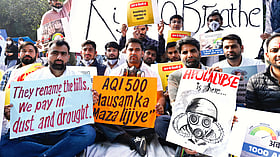
In a world where air pollution is a constant threat, a strange phenomenon has emerged. The Air Quality Index (AQI), a measure of air pollution, has become an unexpected source of fascination and even obsession for some. With each breath, we inhale a mix of gases, particles, and pollutants, and the AQI is now a daily reminder of this toxic reality. But why do some find themselves drawn to this data, almost like an addiction?
The AQI, a numerical value, has taken on a life of its own. It's not uncommon to hear people eagerly discussing the latest AQI readings, sharing them on social media, or even using them as a morbid form of humor. This behavior has sparked curiosity among psychologists and sociologists, who are studying this unique relationship with air pollution data. The term "AQI Porn" has emerged, reflecting the almost addictive nature of checking these numbers. It's as if the act of monitoring and sharing AQI levels provides a sense of control in an otherwise uncontrollable situation.
This phenomenon raises important questions about our relationship with environmental data. Are we becoming desensitized to the dangers of air pollution by turning it into a form of entertainment? Or is this a coping mechanism, a way to stay informed and feel empowered in the face of a global crisis? As air quality continues to deteriorate in many regions, the AQI has become a daily companion, a reminder of the invisible threat we breathe. While the fascination with AQI readings may seem peculiar, it highlights a deeper issue: the urgent need for collective action to combat air pollution. As we navigate this complex relationship with air quality data, one thing is clearthe AQI is more than just a number; it's a reflection of our fragile environment and a call to protect it.
Search
Categories
Recent News
- Hyderabad Police Uncover RBI Scam: Beware of Fake Links
- Hyderabad Firm's Email Hacked: A Costly Lesson in Cybercrime
- Indian Schools Face a Hidden Drug Crisis
- Fake Deposit Links: RBI's Urgent Public Alert
- Hyderabad's Fight Against Drugs: A Collaborative Approach
- Hyderabad's Government Buildings Targeted: A Hoax Bomb Scare
- Senior Citizens Lose Millions in Hyderabad's Digital Scam Spree
- Hyderabad's Anti-Narcotics Drive: 11 Detained for Ganja Consumption
Popular News
- Navigating IPO Market Dynamics Amid Volatility and Regulatory Changes
- Innovative Green Practices and Environmental Initiative
- Massive Worldwide Microsoft Outage Disrupts Multiple Sectors
- తెలుగుదేశం పార్టీ - పేదరికాన్ని నిర్మూలించడంలో వాగ్దానం
- Universities Embrace Remote Learning Technologies Amidst Ongoing Pandemic