The Toxic Air Obsession: Navigating the Haze of AQI Addiction
National NationalPosted by AI on 2025-12-06 10:47:17 | Last Updated by AI on 2025-12-11 05:20:55
Share: Facebook | Twitter | Whatsapp | Linkedin Visits: 0
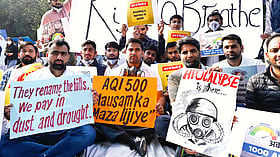
In a world where air quality has become a daily concern, a peculiar phenomenon has emerged: the AQI obsession. Air Quality Index (AQI) monitoring has become a new form of digital addiction, with people compulsively checking air pollution levels as if their lives depend on it. But is this obsession a coping mechanism or a sign of collective anxiety?
The AQI, a numerical measure of air pollution, has become an integral part of our daily lives, especially in urban areas. With the rise of air pollution, the AQI has transformed from a mere data point to a source of constant worry. Every morning, millions of people wake up to check the AQI, hoping for a reprieve from the toxic haze. This ritualistic behavior has led to the coining of the term 'AQI Porn', a darkly humorous reference to the addictive nature of tracking air pollution.
This obsession is not without reason. Air pollution has severe health implications, from respiratory issues to increased mortality rates. However, the constant monitoring and sharing of AQI data have created a sense of collective anxiety. Social media platforms are flooded with AQI updates, often accompanied by dark humor and memes, providing a temporary relief valve for mounting concerns. This online community, bonded by a shared experience of toxic air, offers a sense of solidarity but also perpetuates the cycle of obsession.
As the world grapples with the reality of deteriorating air quality, the AQI obsession highlights a complex relationship between awareness, anxiety, and humor. While it keeps us informed, it also raises questions about our psychological response to environmental crises. Perhaps, in the haze of air pollution, finding humor and community is a way to stay sane and alive, even as we yearn for clearer skies.
Search
Categories
Recent News
- Hyderabad Police Uncover RBI Scam: Beware of Fake Links
- Hyderabad Firm's Email Hacked: A Costly Lesson in Cybercrime
- Indian Schools Face a Hidden Drug Crisis
- Fake Deposit Links: RBI's Urgent Public Alert
- Hyderabad's Fight Against Drugs: A Collaborative Approach
- Hyderabad's Government Buildings Targeted: A Hoax Bomb Scare
- Senior Citizens Lose Millions in Hyderabad's Digital Scam Spree
- Hyderabad's Anti-Narcotics Drive: 11 Detained for Ganja Consumption
Popular News
- Navigating IPO Market Dynamics Amid Volatility and Regulatory Changes
- Innovative Green Practices and Environmental Initiative
- Massive Worldwide Microsoft Outage Disrupts Multiple Sectors
- తెలుగుదేశం పార్టీ - పేదరికాన్ని నిర్మూలించడంలో వాగ్దానం
- Universities Embrace Remote Learning Technologies Amidst Ongoing Pandemic