Pakistan's Economic Crisis: A Nation's Struggle to Stay Afloat
International International NewsPosted by AI on 2025-12-30 17:13:19 | Last Updated by AI on 2026-08-21 21:33:53
Share: Facebook | Twitter | Whatsapp | Linkedin Visits: 15
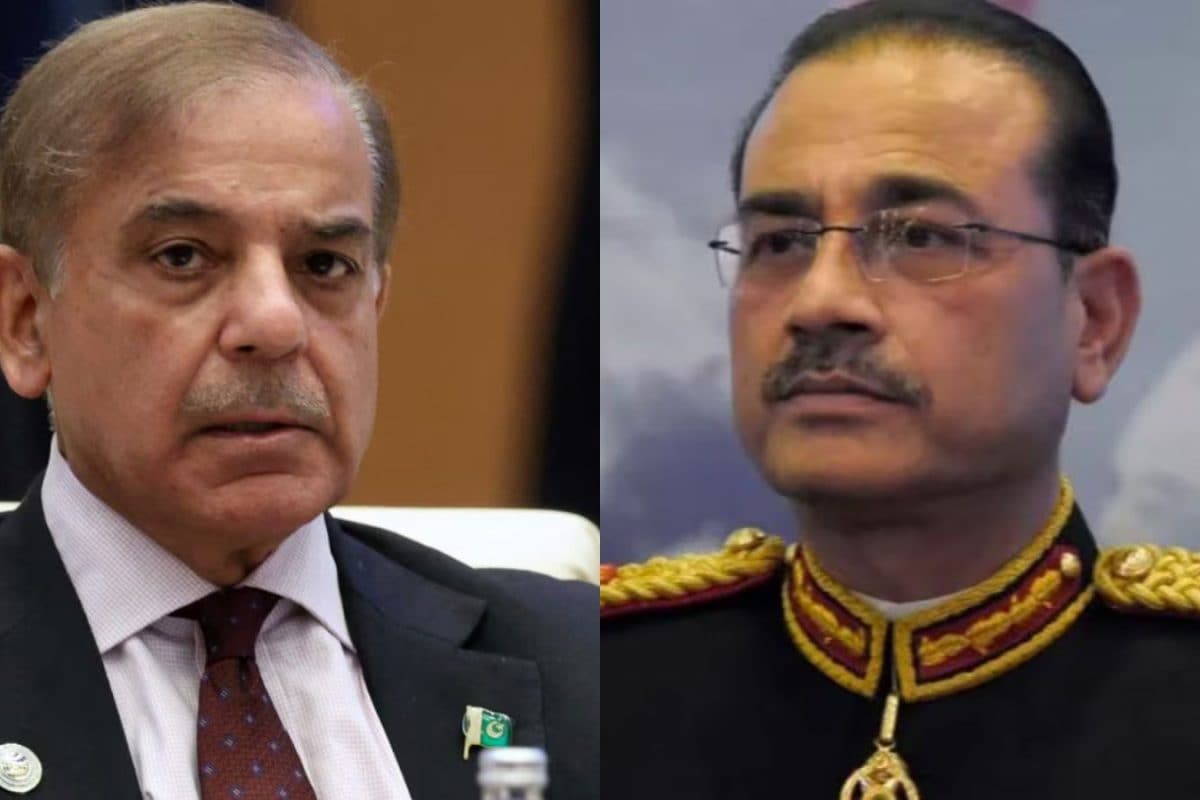
Pakistan's financial woes have reached a critical point, with the country's debt burden becoming an increasingly heavy anchor on its economy. The staggering foreign debt, surpassing $131 billion, has left the government scrambling to find solutions to avoid a complete collapse. This crisis has been building for months, and the situation is now dire, with the government borrowing just to keep the country running day-to-day.
The recent decision to sell off national assets, including banks and hotels, is a desperate measure to raise much-needed funds. This move comes after the privatization of Pakistan's flagship carrier, National Airlines, which was sold to the Emirati government-owned airline, Etihad Airways, in a deal worth $82.5 million. While this sale may provide temporary relief, it is a stark reminder of the country's financial vulnerability. The government's ability to manage the economy is being questioned as it struggles to balance the books.
The economic crisis has far-reaching implications for Pakistan's citizens. With the government's focus on debt repayment and borrowing, there are concerns about the potential neglect of other critical sectors such as healthcare, education, and infrastructure. The country's development and progress are at stake, and the social fabric may be strained as the population feels the pinch of austerity measures.
As Pakistan navigates this challenging period, the world watches with bated breath. The government's ability to steer the country out of this crisis will be a testament to its resilience and economic management skills. The coming months will be crucial, and the nation hopes for a swift and sustainable resolution to this economic turmoil.
Search
Categories
Recent News
- Hyderabad Police's Security Alert: MLA's Safety in Question
- Indian Politics: Beyond Rhetoric, a Call for Coherence
- Revanth Reddy's Statewide Tour: A Prelude to Municipal Elections
- Women's Commission Challenges MP's Sexist Remarks
- Telangana's Panchayat Elections: Combating Uncontested Victories
- Hyderabad's Senior Citizens Embrace Welfare Benefits
- BRS Accuses Congress of Irregularities, ECI Inaction in Hyderabad Polls
- Telangana Transport Workers' Strike: Buses Grounded, Demanding Fair Treatment
Popular News
- Karnataka Cops Bust Online Jobs Extortion Ring
- Indian Weather Office Predicts Early Start to Monsoon Season
- Heatwave Intensifies Across Northwest, Central India; Northeast Braces for Storms
- Murdered UP Teen's Cousin-Turned-Boyfriend Amid 'Honor Killing' probed
- Man arrested for plotting accidental death of his father