Ramdev's 'Sharbat Jihad' Remark Draws High Court Ire
National NationalPosted by AI on 2025-04-22 14:46:49 | Last Updated by AI on 2026-09-23 18:27:58
Share: Facebook | Twitter | Whatsapp | Linkedin Visits: 41
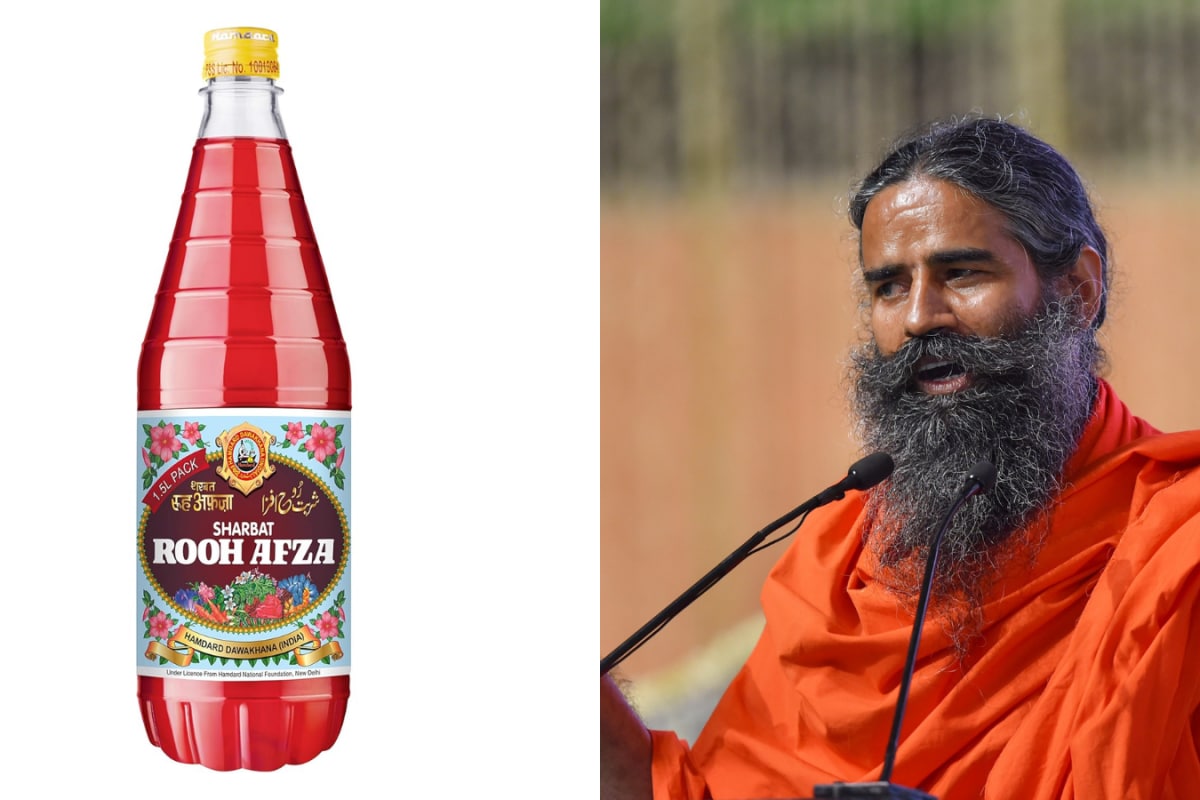
"Shocks the conscience," declared the Delhi High Court, censuring yoga guru Ramdev for his inflammatory remarks linking the sale of Hamdard's Rooh Afza to the funding of religious institutions. The controversy erupted after Ramdev, while promoting his own brand of rose sharbat, Patanjali, insinuated that profits from Rooh Afza were diverted towards the construction of madrasas and mosques, a statement the court deemed highly irresponsible.
The court's sharp rebuke came during a hearing related to a lawsuit filed by Hamdard Laboratories against Ramdev and Patanjali Ayurved. Hamdard accused Ramdev of making disparaging and misleading statements about Rooh Afza, harming its reputation and sales. The court expressed deep concern over the potential for such remarks to incite communal disharmony, emphasizing the need for public figures to exercise restraint and responsibility in their pronouncements. The judges questioned Ramdev's motives, suggesting that his statements appeared more geared towards promoting his own product through unfair competition rather than expressing genuine concern.
The court's observations underscore the growing trend of using communal rhetoric for commercial gain, a practice that carries dangerous implications for social harmony. Ramdev's "sharbat jihad" remark is not an isolated incident; it reflects a broader pattern of inflammatory language being employed to polarize communities and manipulate consumer choices. This tactic not only undermines healthy competition but also creates a toxic environment where rational discourse is replaced by fear-mongering and prejudice. The judiciary's strong condemnation of Ramdev's statement sends a clear message that such behavior will not be tolerated and that the courts will actively intervene to protect the principles of fair competition and communal harmony.
The case highlights the responsibility of public figures, especially those with a large following, to be mindful of the impact of their words. Ramdev's comments, delivered to a vast audience, carried the potential to incite distrust and animosity between communities. The court's intervention serves as a timely reminder that freedom of speech is not absolute and must be exercised responsibly, particularly when it has the potential to cause social harm. The legal battle between Hamdard and Patanjali continues, with the court directing both parties to submit further arguments. The outcome of this case is likely to have significant implications for the regulation of advertising and marketing practices, particularly those that exploit communal sentiments. Moreover, it underscores the critical role of the judiciary in upholding ethical standards in public discourse and preventing the misuse of platforms for spreading divisive narratives. This incident serves as a crucial moment for reflection, urging public figures and businesses alike to prioritize responsible communication and reject tactics that exploit communal vulnerabilities for personal gain.
Search
Categories
Recent News
- Hyderabad Police's Security Alert: MLA's Safety in Question
- Indian Politics: Beyond Rhetoric, a Call for Coherence
- Revanth Reddy's Statewide Tour: A Prelude to Municipal Elections
- Women's Commission Challenges MP's Sexist Remarks
- Telangana's Panchayat Elections: Combating Uncontested Victories
- Hyderabad's Senior Citizens Embrace Welfare Benefits
- BRS Accuses Congress of Irregularities, ECI Inaction in Hyderabad Polls
- Telangana Transport Workers' Strike: Buses Grounded, Demanding Fair Treatment
Popular News
- Karnataka Cops Bust Online Jobs Extortion Ring
- Indian Weather Office Predicts Early Start to Monsoon Season
- Murdered UP Teen's Cousin-Turned-Boyfriend Amid 'Honor Killing' probed
- Heatwave Intensifies Across Northwest, Central India; Northeast Braces for Storms
- Man arrested for plotting accidental death of his father