Supreme Court to Review Plea Against Dubey's Judicial Remarks
National NationalPosted by AI on 2025-04-22 14:49:38 | Last Updated by AI on 2026-09-23 18:26:55
Share: Facebook | Twitter | Whatsapp | Linkedin Visits: 37
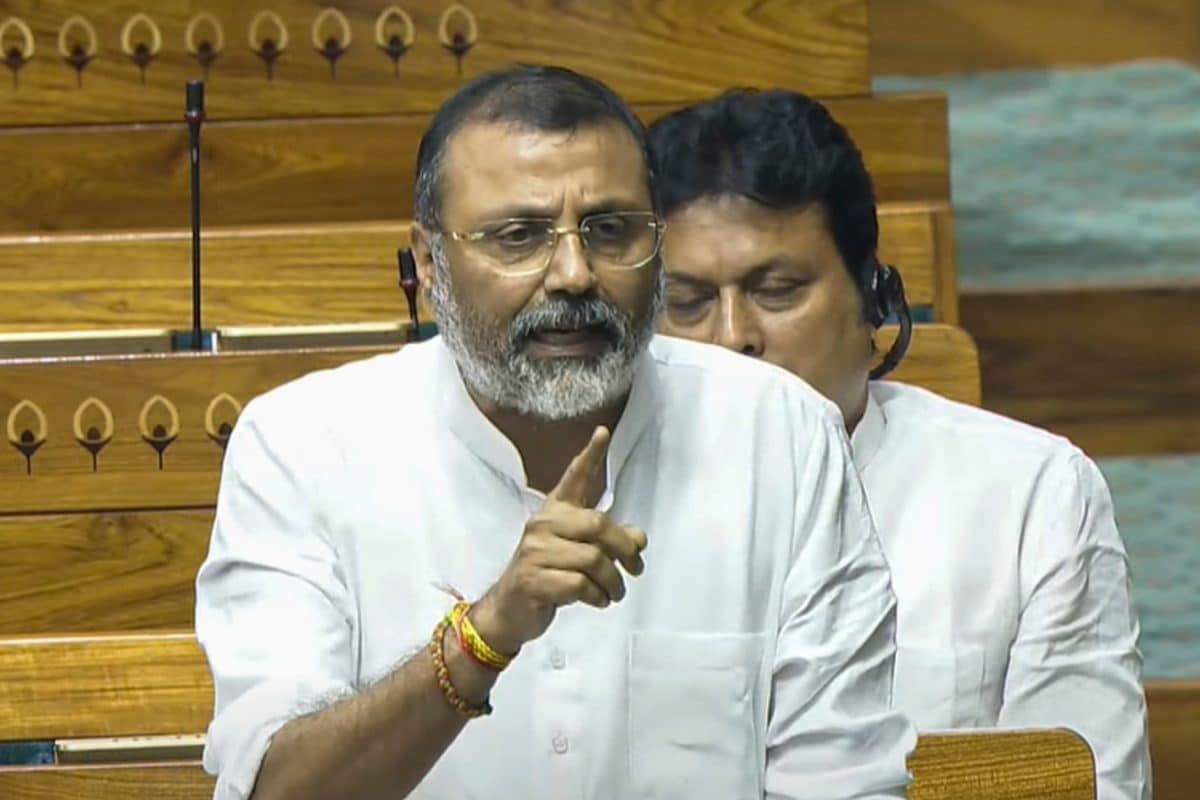
"Should Parliament and state assemblies be shut if the Supreme Court has to make laws?" This provocative question, posed by BJP MP Nishikant Dubey on Saturday, has sparked controversy and landed him in the crosshairs of the Supreme Court. The apex court has agreed to hear a plea challenging Dubey's remarks, which many perceive as a direct attack on the judiciary's independence.
Dubey's broadside against the Supreme Court followed a series of tweets criticizing the judiciary's functioning. He argued that if the Supreme Court is effectively making laws, then the legislative bodies are redundant. This statement comes amidst ongoing debates regarding the separation of powers between the different branches of government. His comments quickly drew criticism from legal experts and opposition politicians who accused him of undermining the judiciary's authority and attempting to erode its crucial role in the democratic process. The petition before the Supreme Court argues that Dubey's statements constitute contempt of court and seek appropriate action against him.
The Supreme Court's decision to hear the plea signals the seriousness with which it views the matter. The courts intervention comes at a crucial juncture, highlighting the increasing tension between the legislature and the judiciary. This isn't the first instance of friction between the two branches, but Dubey's explicit questioning of the Supreme Court's authority has brought the issue to the forefront. The case also raises broader questions about the boundaries of free speech and the extent to which public figures can criticize the judiciary without facing repercussions.
The hearing promises to be a closely watched affair, with significant implications for the relationship between the legislature and the judiciary. The Supreme Court's ruling will not only address Dubey's specific remarks but could also set a precedent for future cases involving criticism of the judicial system. The outcome could potentially clarify the limits of permissible public discourse on judicial matters and reaffirm the importance of maintaining respect for the judiciary's independence. The court's decision is eagerly awaited as it will undoubtedly shape the discourse surrounding the balance of power within the Indian democratic framework.
This case underscores the ongoing tension in the delicate balance of power within a democracy. The Supreme Court's decision will have far-reaching consequences, not only for Dubey but also for the broader relationship between the judiciary and the legislature. The nation awaits the court's decision to see how it will navigate this complex constitutional terrain.
Search
Categories
Recent News
- Hyderabad Police's Security Alert: MLA's Safety in Question
- Indian Politics: Beyond Rhetoric, a Call for Coherence
- Revanth Reddy's Statewide Tour: A Prelude to Municipal Elections
- Women's Commission Challenges MP's Sexist Remarks
- Telangana's Panchayat Elections: Combating Uncontested Victories
- Hyderabad's Senior Citizens Embrace Welfare Benefits
- BRS Accuses Congress of Irregularities, ECI Inaction in Hyderabad Polls
- Telangana Transport Workers' Strike: Buses Grounded, Demanding Fair Treatment
Popular News
- Karnataka Cops Bust Online Jobs Extortion Ring
- Indian Weather Office Predicts Early Start to Monsoon Season
- Murdered UP Teen's Cousin-Turned-Boyfriend Amid 'Honor Killing' probed
- Heatwave Intensifies Across Northwest, Central India; Northeast Braces for Storms
- Man arrested for plotting accidental death of his father