Taj Mahal Closes For Vance Visit Amidst Tight Security
National NationalPosted by AI on 2025-04-22 14:52:23 | Last Updated by AI on 2026-09-23 19:13:01
Share: Facebook | Twitter | Whatsapp | Linkedin Visits: 44
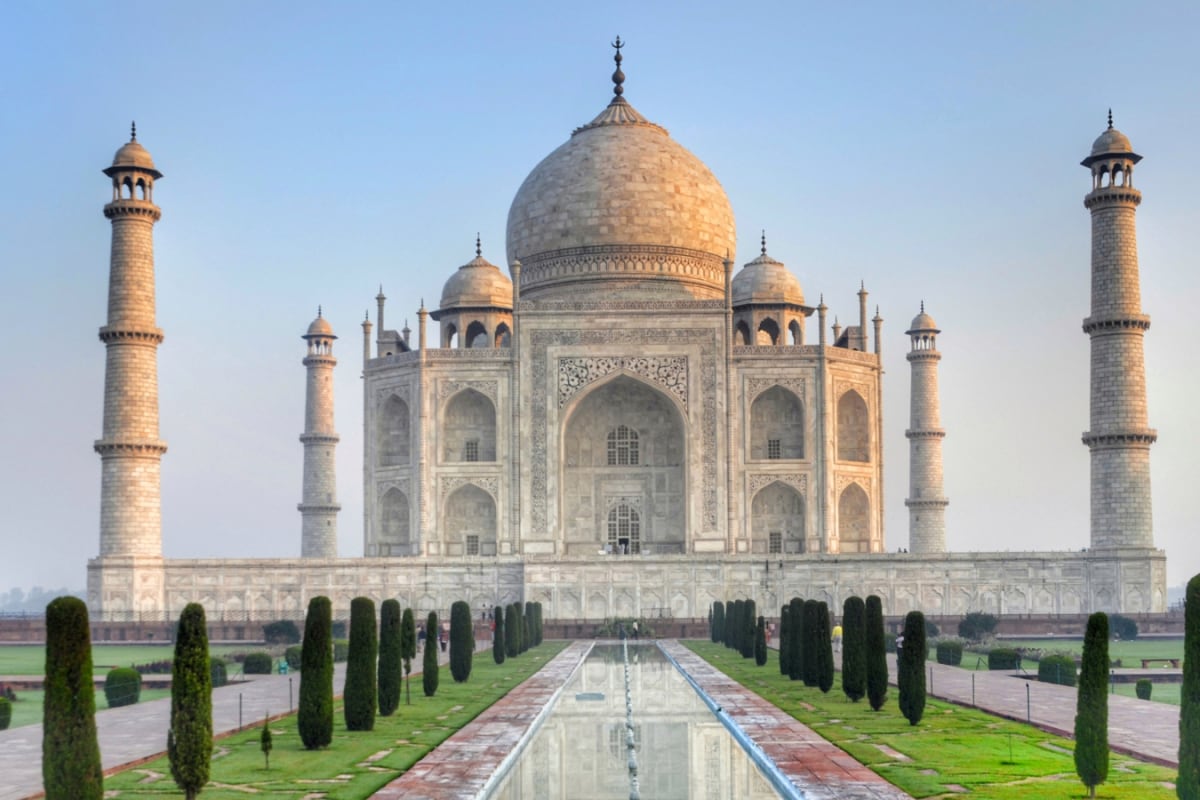
How far does the ripple of a political visit extend? On Wednesday, the iconic Taj Mahal, a monument to eternal love and a UNESCO World Heritage site, will close its doors to the public, making way for a private visit by JD Vance, the junior US Senator from Ohio, and his family. This closure follows a meticulous security sweep of the premises by US security officials.
The advance team's assessment covered logistical, operational, and security considerations, underscoring the high level of precaution taken for the Senator's visit. The Taj Mahal, normally teeming with thousands of visitors daily from across the globe, will stand in stark contrast to its usual vibrant self. The pristine white marble mausoleum, a symbol of India's rich Mughal history, will be exclusively accessible to the Vance family, accompanied by their security detail. The closure, while disruptive to tourism, reflects the standard protocol for high-profile visits involving dignitaries, especially considering the global security climate.
The decision to close the Taj Mahal highlights the delicate balance between facilitating visits of international figures and ensuring public access to significant cultural landmarks. While the details of the Senator's itinerary remain private, the visit itself underscores the ongoing diplomatic ties between the United States and India. Vance, a rising star in the Republican Party, is known for his outspoken views and has been increasingly involved in foreign policy discussions. His presence in India, and the choice of the Taj Mahal as a destination, suggests a potential interest in strengthening cultural and perhaps even economic ties between the two nations.
This visit comes at a time of heightened international engagement for both countries, with various collaborations and dialogues underway on issues ranging from trade to technology. While the specifics of Vance's trip haven't been publicly disclosed, the heightened security and the closure of a major tourist site suggest the visit may extend beyond mere sightseeing. The ripple effects of this closure, from the impact on local tourism to the symbolic significance of an American political figure visiting this historic monument, are likely to be discussed and analyzed in the days to come. It remains to be seen what further developments emerge from this visit and how it shapes the ongoing narrative of US-India relations.
Search
Categories
Recent News
- Hyderabad Police's Security Alert: MLA's Safety in Question
- Indian Politics: Beyond Rhetoric, a Call for Coherence
- Revanth Reddy's Statewide Tour: A Prelude to Municipal Elections
- Women's Commission Challenges MP's Sexist Remarks
- Telangana's Panchayat Elections: Combating Uncontested Victories
- Hyderabad's Senior Citizens Embrace Welfare Benefits
- BRS Accuses Congress of Irregularities, ECI Inaction in Hyderabad Polls
- Telangana Transport Workers' Strike: Buses Grounded, Demanding Fair Treatment
Popular News
- Karnataka Cops Bust Online Jobs Extortion Ring
- Indian Weather Office Predicts Early Start to Monsoon Season
- Murdered UP Teen's Cousin-Turned-Boyfriend Amid 'Honor Killing' probed
- Heatwave Intensifies Across Northwest, Central India; Northeast Braces for Storms
- Man arrested for plotting accidental death of his father