Bihar Station's Paradox: Trains Stop, Tickets Don't
National NationalPosted by AI on 2025-04-22 14:55:12 | Last Updated by AI on 2026-09-23 19:13:03
Share: Facebook | Twitter | Whatsapp | Linkedin Visits: 54
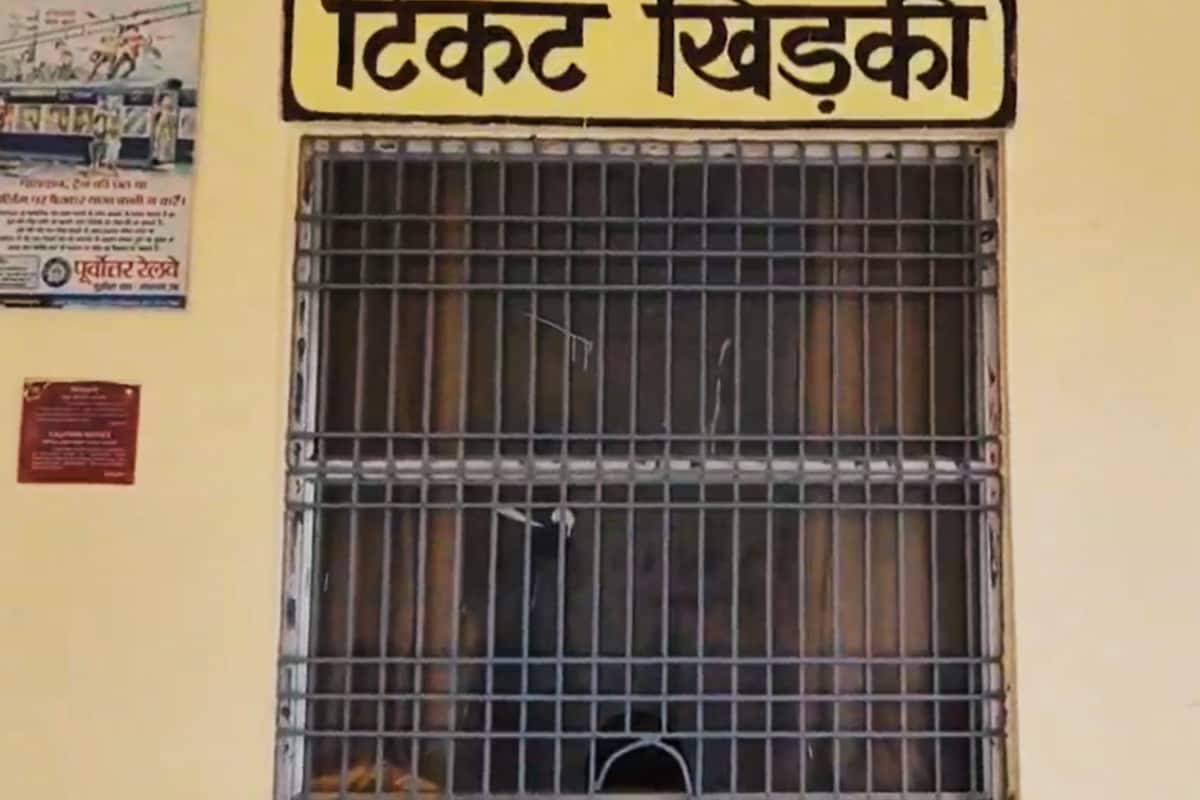
Over 1,000 passengers daily face the risk of fines or even jail time. Their crime? Traveling without a ticket from Manjhi railway station in Bihar, a station that, ironically, opened to much fanfare in January 2023. The reason for this predicament? The station has no ticket counter.
Imagine the scene: a bustling platform in rural Bihar, trains arriving and departing, carrying hundreds of passengers. Vendors hawk their wares, the air thick with the sounds of conversations and the rumble of engines. Yet, amidst this vibrant tableau of Indian rail travel, a crucial element is missing: the ability to purchase a legitimate ticket. Manjhi railway station, a seemingly vital transportation hub, lacks the most basic facility for its passengers a ticket counter. This oversight has placed a significant burden on commuters, forcing them into a precarious situation where they are inadvertently breaking the law each time they board a train. They are left with no option but to travel ticketless, facing the constant threat of penalties, including hefty fines and even imprisonment. This situation underscores a stark disconnect between the provision of railway services and the necessary infrastructure to support them.
The absence of a ticket counter at Manjhi station isn't simply an inconvenience; it's a systemic failure that raises several critical questions. How can a station be operational without such a fundamental amenity? Why were provisions for ticket sales not incorporated into the station's design and construction? And most importantly, what solutions are being implemented to rectify this situation and protect passengers from unjust penalties? The plight of Manjhi's commuters highlights the challenges faced by many in accessing essential services, particularly in underserved or newly developed areas. The lack of foresight in planning and execution has created a situation where passengers are penalized for a deficiency they did not create. This situation not only undermines the public's trust in the railway system but also raises concerns about equitable access to transportation.
The situation in Manjhi demands immediate attention and action from railway authorities. Establishing a functioning ticket counter is not merely a matter of convenience; it is a matter of justice and fairness for the thousands of passengers who rely on the station daily. The longer this issue persists, the more commuters will be unjustly penalized, further eroding their confidence in the railway system. The railway authorities must prioritize resolving this issue to ensure that passengers can travel legally and without the constant fear of penalties. This situation serves as a stark reminder of the importance of comprehensive planning and execution in infrastructure projects, particularly those that serve a large and vulnerable population.
The future of Manjhi railway station hinges on the swift and decisive action of the relevant authorities. Will they address this critical oversight and provide the necessary facilities for their passengers? Or will the station remain a paradox a place where trains stop, but access to legal travel remains elusive? The answer will not only impact the daily lives of over 1,000 commuters but also speak volumes about the commitment to providing accessible and equitable public transportation in the region.
Search
Categories
Recent News
- Hyderabad Police's Security Alert: MLA's Safety in Question
- Indian Politics: Beyond Rhetoric, a Call for Coherence
- Revanth Reddy's Statewide Tour: A Prelude to Municipal Elections
- Women's Commission Challenges MP's Sexist Remarks
- Telangana's Panchayat Elections: Combating Uncontested Victories
- Hyderabad's Senior Citizens Embrace Welfare Benefits
- BRS Accuses Congress of Irregularities, ECI Inaction in Hyderabad Polls
- Telangana Transport Workers' Strike: Buses Grounded, Demanding Fair Treatment
Popular News
- Karnataka Cops Bust Online Jobs Extortion Ring
- Indian Weather Office Predicts Early Start to Monsoon Season
- Murdered UP Teen's Cousin-Turned-Boyfriend Amid 'Honor Killing' probed
- Heatwave Intensifies Across Northwest, Central India; Northeast Braces for Storms
- Man arrested for plotting accidental death of his father