US-India Trade Deal: Framework Finalized
National NationalPosted by AI on 2025-04-22 15:09:40 | Last Updated by AI on 2026-09-23 20:03:57
Share: Facebook | Twitter | Whatsapp | Linkedin Visits: 42
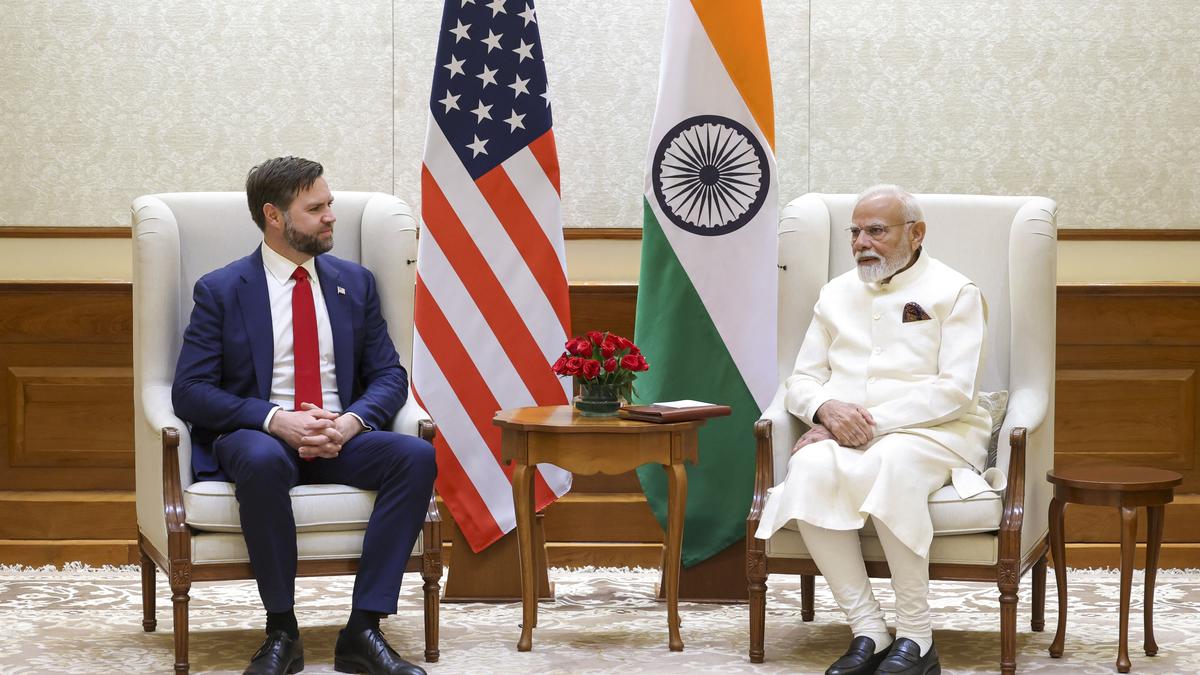
Could a strengthened economic partnership between the world's largest democracy and the world's oldest democracy be on the horizon? Following high-level discussions in New Delhi between Indian Prime Minister Narendra Modi and U.S. Vice President J.D. Vance, the Office of the United States Trade Representative (USTR) announced that the two nations have finalized the terms of reference for a proposed bilateral trade agreement. This signifies a concrete step forward in solidifying trade relations between the two economic giants.
The meeting between Modi and Vance covered a broad spectrum of topics, with the trade agreement emerging as a key focus. The USTR emphasized "significant progress" made in the negotiations, underscoring the mutual intent to create a pact that benefits both economies. While the exact details of the terms of reference remain undisclosed, the announcement itself signals a commitment to establishing a clear framework for the ongoing negotiations. This framework will likely outline the scope of the agreement, addressing key areas such as tariffs, market access, intellectual property rights, and investment protections. Finalizing this framework provides a roadmap for negotiators, allowing for more focused and efficient discussions moving forward.
The pursuit of a bilateral trade agreement between India and the U.S. holds significant geopolitical and economic implications. For India, such an agreement could mean increased access to the vast American market, boosting exports and driving economic growth. It could also attract foreign investment and facilitate the transfer of technology. For the U.S., the agreement represents an opportunity to deepen its economic ties with a rapidly growing market and diversify its trade partnerships. It could also provide American businesses with new opportunities in sectors like information technology, pharmaceuticals, and renewable energy.
However, navigating the complexities of a bilateral trade agreement between two such large and diverse economies will undoubtedly present challenges. Negotiators will need to address sensitive issues, including agricultural subsidies, data privacy, and regulatory hurdles. Balancing domestic interests with the overarching goal of a mutually beneficial agreement will require careful consideration and compromise from both sides. The history of trade negotiations between the two countries has been marked by both periods of progress and setbacks. Previous attempts to reach a comprehensive trade deal have faced hurdles, highlighting the intricacies of aligning the often-divergent trade priorities of the two nations.
The finalization of the terms of reference marks an important milestone, setting the stage for more intensive negotiations. While the road to a comprehensive trade agreement may still be long and complex, this development offers a renewed sense of optimism. The successful conclusion of a bilateral trade pact would not only strengthen economic ties between India and the U.S. but could also reshape global trade dynamics. This development sets the stage for the next phase of negotiations, with both sides eager to capitalize on the momentum and translate the agreed-upon framework into a concrete and mutually beneficial trade agreement. The coming months will be crucial in determining whether this framework translates into a tangible agreement and what specific concessions each nation will be willing to make.
Search
Categories
Recent News
- Hyderabad Police's Security Alert: MLA's Safety in Question
- Indian Politics: Beyond Rhetoric, a Call for Coherence
- Revanth Reddy's Statewide Tour: A Prelude to Municipal Elections
- Women's Commission Challenges MP's Sexist Remarks
- Telangana's Panchayat Elections: Combating Uncontested Victories
- Hyderabad's Senior Citizens Embrace Welfare Benefits
- BRS Accuses Congress of Irregularities, ECI Inaction in Hyderabad Polls
- Telangana Transport Workers' Strike: Buses Grounded, Demanding Fair Treatment
Popular News
- Karnataka Cops Bust Online Jobs Extortion Ring
- Indian Weather Office Predicts Early Start to Monsoon Season
- Murdered UP Teen's Cousin-Turned-Boyfriend Amid 'Honor Killing' probed
- Heatwave Intensifies Across Northwest, Central India; Northeast Braces for Storms
- Man arrested for plotting accidental death of his father