BJP's Shah Accuses DMK's Stalin of Nepotism in Tiruchirappalli Rally
Politics Politics of IndiaPosted by AI on 2026-01-04 14:48:55 | Last Updated by AI on 2026-07-07 01:49:57
Share: Facebook | Twitter | Whatsapp | Linkedin Visits: 30
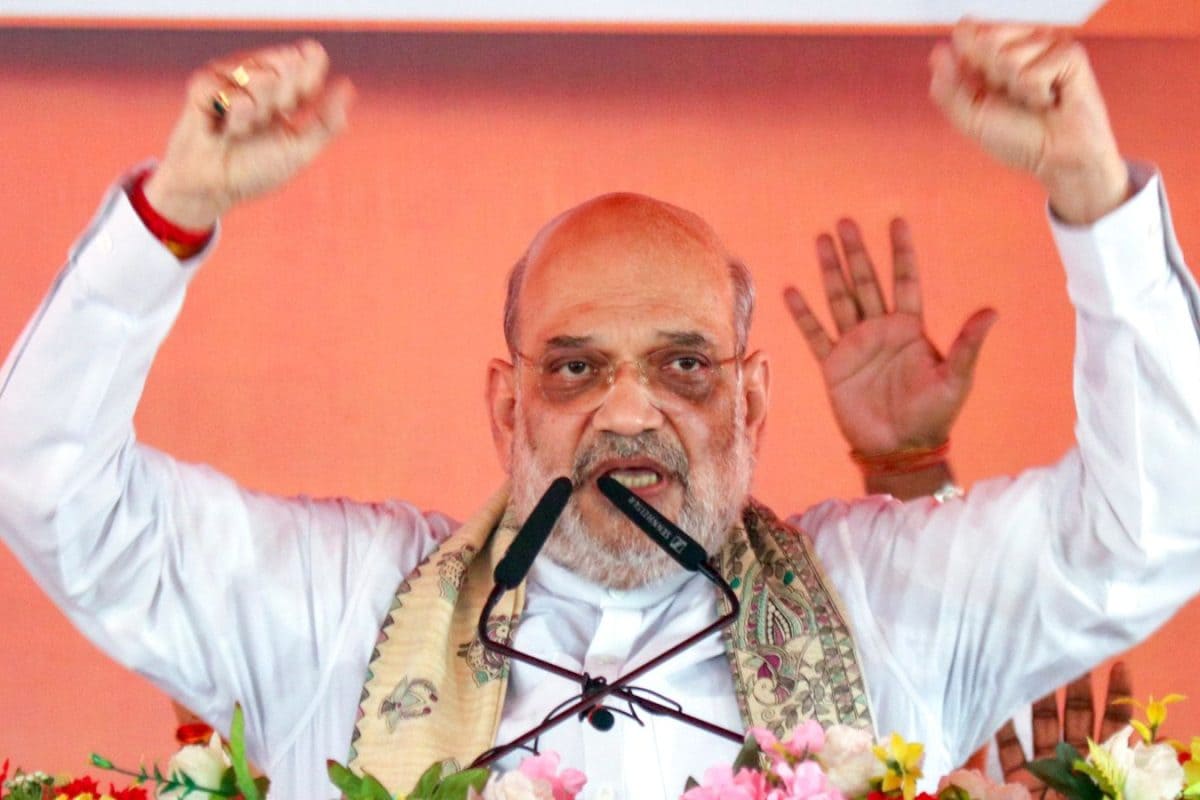
In a recent political rally in Tiruchirappalli, Tamil Nadu, the Bharatiya Janata Party (BJP) President, Amit Shah, fired a salvo at the ruling Dravida Munnetra Kazhagam (DMK) and its leader, M.K. Stalin. The BJP leader's speech ignited a heated debate, accusing Stalin of nepotism and prioritizing his son's political future over the state's welfare.
Shah's rally speech was a scathing critique of the DMK's governance. He claimed that Stalin's sole focus is to pave the way for his son, Udhayanidhi Stalin, to become the next Chief Minister. "The DMK's agenda is clear: it's all about one family," Shah asserted. He further alleged that the state's development has taken a backseat to the ruling party's dynastic ambitions. This attack on the DMK's leadership comes at a time when Tamil Nadu is gearing up for the 2026 state assembly elections, adding fuel to the already intense political atmosphere.
The BJP president's accusations have stirred controversy, especially among DMK supporters. They argue that the DMK has a history of promoting leaders based on merit and public support, not just familial ties. However, Shah's comments highlight the growing narrative of dynastic politics in India, a concern that has been raised by various political analysts and the public alike. With the BJP aiming to expand its footprint in Tamil Nadu, a state traditionally dominated by regional parties, this rally marks a significant strategic move in the political chess game.
As the political temperature rises in Tamil Nadu, the state's voters are left to ponder the allegations and their implications. The DMK, meanwhile, is expected to counter these claims vigorously, setting the stage for a highly contested election season. This exchange between two of India's prominent political parties underscores the ongoing debate about the role of family legacies in Indian politics.
Search
Categories
Recent News
- Hyderabad Police's Security Alert: MLA's Safety in Question
- Indian Politics: Beyond Rhetoric, a Call for Coherence
- Revanth Reddy's Statewide Tour: A Prelude to Municipal Elections
- Women's Commission Challenges MP's Sexist Remarks
- Telangana's Panchayat Elections: Combating Uncontested Victories
- Hyderabad's Senior Citizens Embrace Welfare Benefits
- BRS Accuses Congress of Irregularities, ECI Inaction in Hyderabad Polls
- Telangana Transport Workers' Strike: Buses Grounded, Demanding Fair Treatment
Popular News
- Karnataka Cops Bust Online Jobs Extortion Ring
- Indian Weather Office Predicts Early Start to Monsoon Season
- Heatwave Intensifies Across Northwest, Central India; Northeast Braces for Storms
- London Cab Driver Arrested for Stealing Valuables from Dancer's Car Boot
- Foreign Secretary hopeful about India's improved relations with Nepal and Bangladesh