34 Endangered Vultures Begin Journey to Freedom
National NationalPosted by AI on 2025-04-22 18:02:48 | Last Updated by AI on 2026-09-23 21:23:28
Share: Facebook | Twitter | Whatsapp | Linkedin Visits: 128
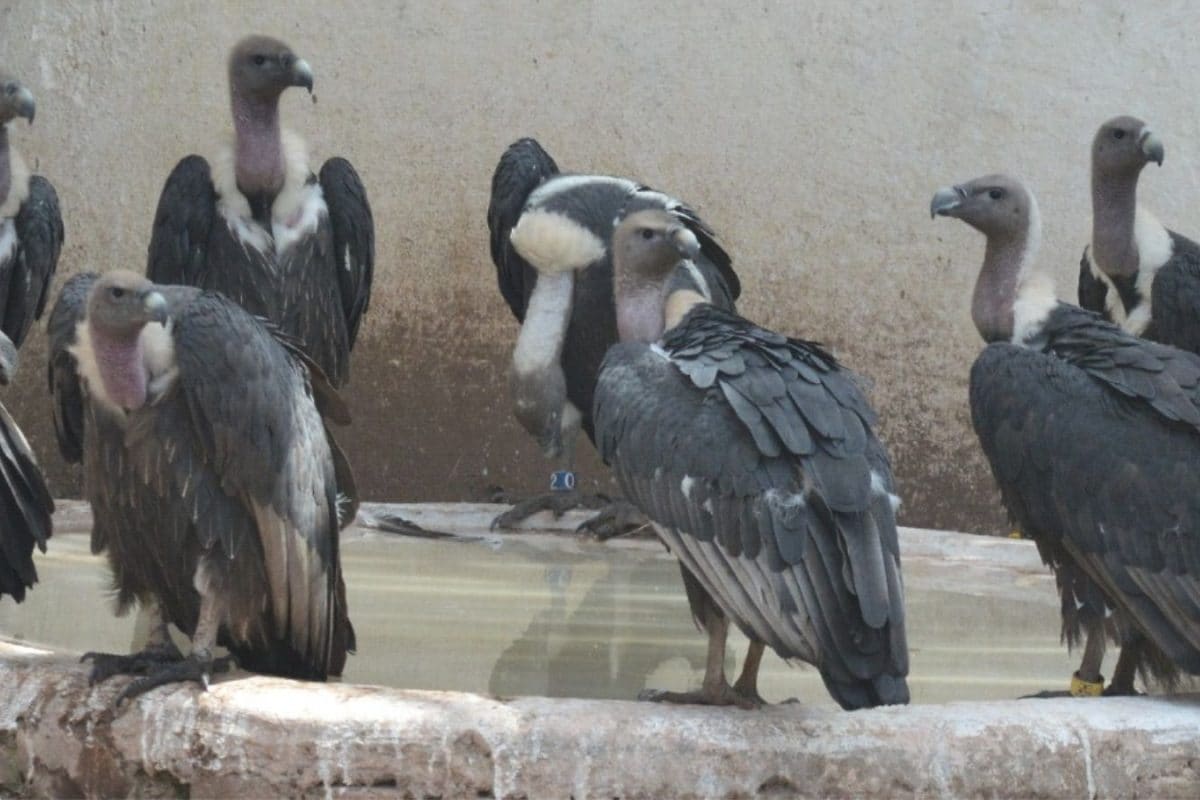
Can a 1,500-km road trip save a species? On Tuesday morning, 34 critically endangered vultures began their journey from Pinjore, Haryana, to a new life in Maharashtra, representing a crucial step in the fight against their extinction. Packed carefully in individual wooden boxes, 20 Long-billed and 14 White-rumped vultures were loaded into three air-conditioned vehicles. Their destination: a release site where they will hopefully bolster dwindling wild populations.
The scene at Pinjore was a mix of careful coordination and quiet hope. Each vulture's box was designed to ensure the birds' safety and comfort during the long journey. The air-conditioned vehicles, vital for maintaining a stable temperature for these sensitive creatures, hummed with the promise of a second chance for these magnificent birds. The meticulous preparations underscored the significance of this translocation effort, a complex operation involving collaboration between conservationists, government agencies, and wildlife experts. The journey itself represents a considerable logistical undertaking, with the team needing to ensure the vultures' well-being throughout the trip. Regular stops for monitoring and care are planned along the route, reflecting the dedication and care involved in this critical conservation effort.
This translocation is part of a larger, ongoing program to restore India's vulture populations, which have been decimated in recent decades primarily due to the widespread use of the veterinary drug diclofenac. This drug, while beneficial to livestock, proved fatal to vultures who fed on the carcasses of treated animals. The resulting decline in vulture populations has had significant ecological consequences, impacting sanitation and disease control. The reintroduction of captive-bred vultures into carefully selected areas is a vital strategy in reversing this decline and restoring balance to the ecosystem. The success of this translocation depends on many factors, including the adaptation of these captive-bred birds to their new environment, the continued control of diclofenac use, and ongoing monitoring of the released vultures.
The arrival of these 34 vultures in Maharashtra represents a beacon of hope in the fight for their survival. It signifies not only the dedication of those working to save these critically endangered species but also the potential for successful reintroduction programs to make a real difference. While the journey is long and the challenges remain significant, the release of these vultures offers a powerful reminder of the importance of conservation efforts and the possibility of restoring ecological balance. The future of these majestic birds now rests on the wings of this vital relocation project, carrying with it the hopes of a brighter future for the species.
Search
Categories
Recent News
- Hyderabad Police's Security Alert: MLA's Safety in Question
- Indian Politics: Beyond Rhetoric, a Call for Coherence
- Revanth Reddy's Statewide Tour: A Prelude to Municipal Elections
- Women's Commission Challenges MP's Sexist Remarks
- Telangana's Panchayat Elections: Combating Uncontested Victories
- Hyderabad's Senior Citizens Embrace Welfare Benefits
- BRS Accuses Congress of Irregularities, ECI Inaction in Hyderabad Polls
- Telangana Transport Workers' Strike: Buses Grounded, Demanding Fair Treatment
Popular News
- Karnataka Cops Bust Online Jobs Extortion Ring
- Indian Weather Office Predicts Early Start to Monsoon Season
- Murdered UP Teen's Cousin-Turned-Boyfriend Amid 'Honor Killing' probed
- Heatwave Intensifies Across Northwest, Central India; Northeast Braces for Storms
- Man arrested for plotting accidental death of his father