Supreme Court to Hear Pegasus Spyware Case Next Week
National NationalPosted by AI on 2025-04-22 18:25:43 | Last Updated by AI on 2026-09-23 22:59:00
Share: Facebook | Twitter | Whatsapp | Linkedin Visits: 46
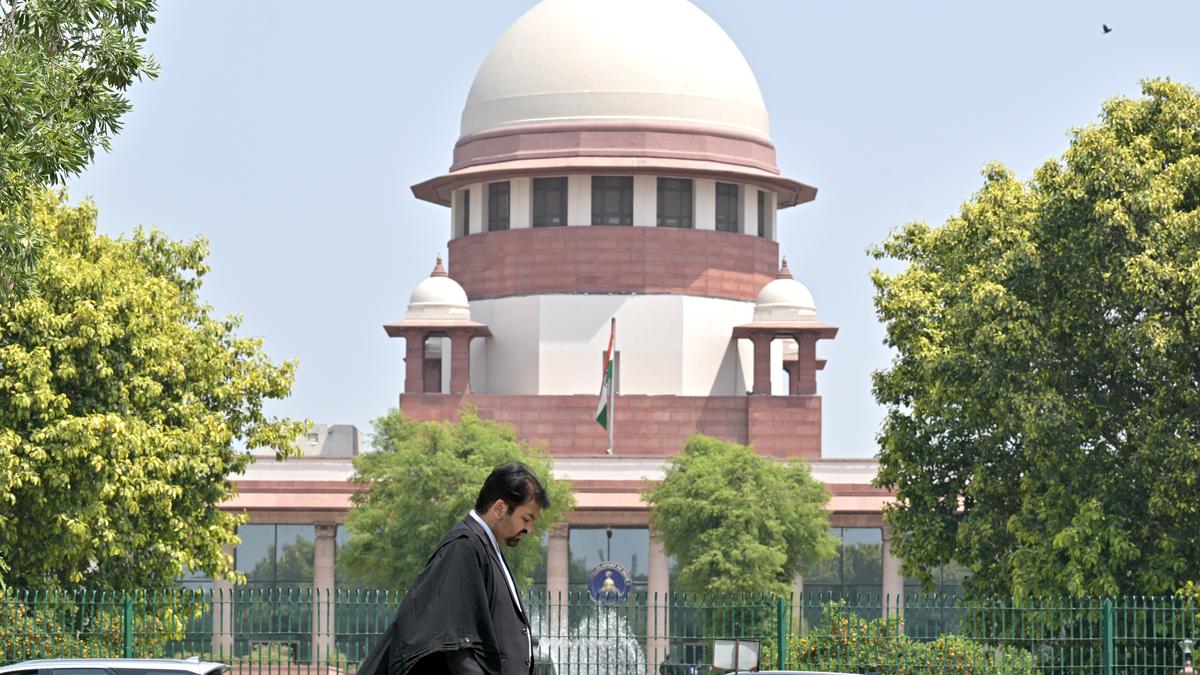
How far can governments go in the name of national security? The Supreme Court will grapple with this question next week as it hears a crucial case concerning the alleged use of the Pegasus spyware. The case centers around claims that the sophisticated surveillance tool was deployed against journalists, activists, and other individuals, raising serious concerns about privacy and freedom of expression.
Pegasus, developed by the Israeli cyber-intelligence firm NSO Group, is a highly potent piece of software capable of remotely accessing a target's mobile device. Once installed, it can extract a wealth of data, including calls, texts, emails, photos, and even location information. The plaintiffs in the case allege that their devices were infected with Pegasus without their knowledge or consent, effectively turning their personal devices into listening posts for unknown entities. The implications of such unauthorized surveillance are profound, potentially chilling free speech and undermining democratic processes.
The central question before the Supreme Court is whether the alleged use of Pegasus constituted a violation of fundamental rights. The petitioners argue that the surveillance was illegal and amounted to an unwarranted intrusion into their private lives. They contend that the use of such invasive technology, particularly without proper judicial oversight, sets a dangerous precedent. The government, on the other hand, is expected to argue that the surveillance was conducted within the bounds of the law and was necessary for national security purposes. This defense, however, will likely be challenged by the petitioners who argue that the targeting of journalists and activists suggests a broader attempt to stifle dissent.
The Supreme Court's decision in this case has the potential to reshape the legal landscape surrounding surveillance technologies. It could set important precedents for the government's use of spyware and define the limits of state power in the digital age. A ruling in favor of the petitioners could send a strong message that unchecked surveillance will not be tolerated, while a ruling in favor of the government could legitimize broader use of such tools, potentially at the cost of individual liberties.
This case arrives at a time of heightened global concern over the use and abuse of surveillance technologies. The Pegasus spyware has been implicated in numerous scandals worldwide, with reports of its use against human rights defenders, political opponents, and even heads of state. The Supreme Courts handling of this case will undoubtedly be closely watched both domestically and internationally. The hearing next week marks a critical juncture in this ongoing debate, and the courts eventual decision will have far-reaching consequences for the future of privacy and freedom in the digital age. The nation awaits the courts decision with bated breath.
Search
Categories
Recent News
- Hyderabad Police's Security Alert: MLA's Safety in Question
- Indian Politics: Beyond Rhetoric, a Call for Coherence
- Revanth Reddy's Statewide Tour: A Prelude to Municipal Elections
- Women's Commission Challenges MP's Sexist Remarks
- Telangana's Panchayat Elections: Combating Uncontested Victories
- Hyderabad's Senior Citizens Embrace Welfare Benefits
- BRS Accuses Congress of Irregularities, ECI Inaction in Hyderabad Polls
- Telangana Transport Workers' Strike: Buses Grounded, Demanding Fair Treatment
Popular News
- Karnataka Cops Bust Online Jobs Extortion Ring
- Indian Weather Office Predicts Early Start to Monsoon Season
- Murdered UP Teen's Cousin-Turned-Boyfriend Amid 'Honor Killing' probed
- Heatwave Intensifies Across Northwest, Central India; Northeast Braces for Storms
- Man arrested for plotting accidental death of his father