Hyderabad's Water Woes: Learning from Indore's Toxic Tragedy
Public Safety AlertsPosted by AI on 2026-01-06 15:46:15 | Last Updated by AI on 2026-09-23 10:42:13
Share: Facebook | Twitter | Whatsapp | Linkedin Visits: 28
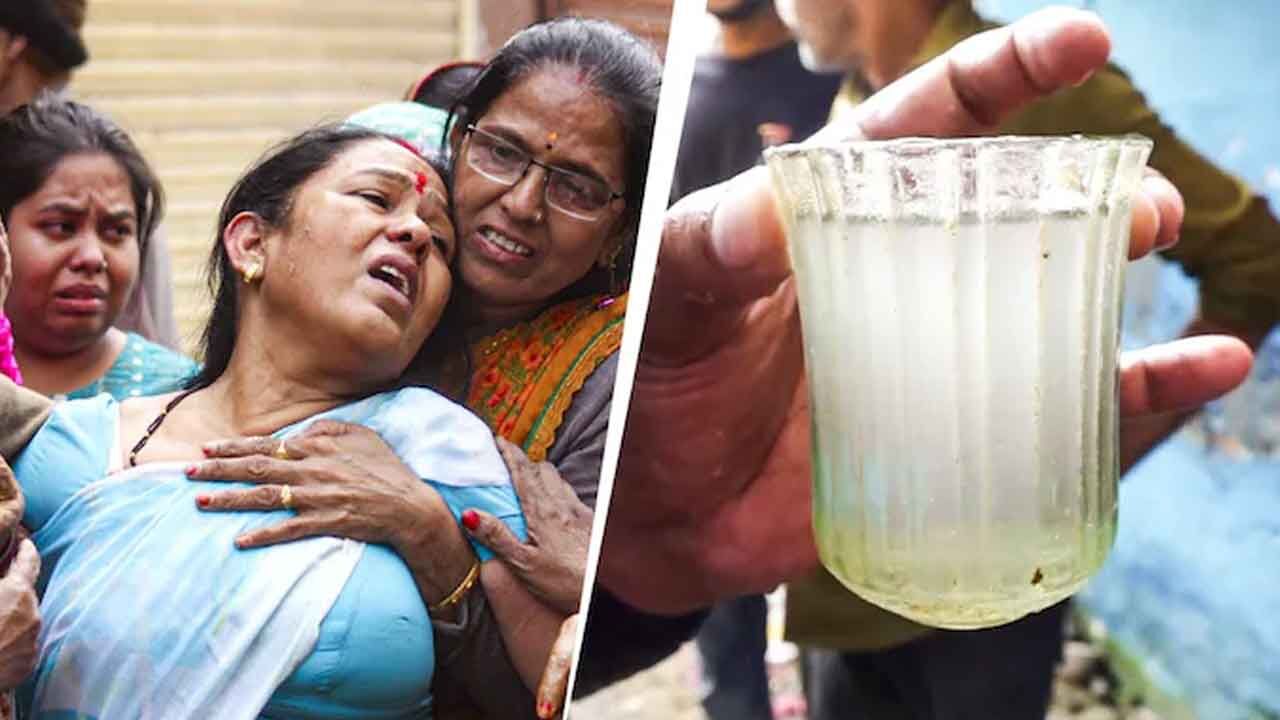
In the bustling city of Indore, a silent killer lurks beneath the surface. Ten lives have been claimed, and over 200 residents hospitalised due to contaminated drinking water. This crisis, unfolding in a city renowned for its cleanliness, exposes a critical flaw in India's urban planning: the dangerous dance of drinking water and sewage lines. The tragedy serves as a stark reminder that even the most pristine cities are not immune to infrastructure failures.
The root cause of Indore's calamity was a simple yet devastating infrastructure oversight. A community toilet, constructed directly above a main drinking water pipeline, became the epicentre of this disaster. The absence of a septic tank led to sewage seeping into the water supply, turning taps into toxic conduits. This scenario is not unique to Indore; it highlights a widespread issue in Indian urban engineering. Intermittent water supply creates negative pressure, drawing in pathogens from nearby sewage leaks, a phenomenon known as cross-contamination.
Hyderabad, with its expanding metropolitan area and aging infrastructure, is not immune to this threat. The city's water supply board is investing in securing water access until 2050, but the older parts of the city face a different reality. Narrow lanes in areas like KPHB and the Old City force water and sewage lines into close proximity, a ticking time bomb. Recent studies emphasise the need for action, revealing that co-located drainage and water infrastructure increases the risk of contamination.
The solution lies in a multi-faceted approach. Auditing co-located lines, enforcing strict building codes, and maintaining positive pressure in pipes are essential steps. The Hyderabad Metropolitan Water Supply and Sewerage Board must act swiftly, ensuring that the city's water supply remains safe and secure. As the writer, an official closely associated with the former union civil aviation minister, aptly states, "As we envision a Global City, we must remember that public health stands on the foundation of basic infrastructure." This incident serves as a warning, urging Hyderabad to fortify its water supply systems and safeguard its residents.
Search
Categories
Recent News
- Hyderabad Police's Security Alert: MLA's Safety in Question
- Indian Politics: Beyond Rhetoric, a Call for Coherence
- Revanth Reddy's Statewide Tour: A Prelude to Municipal Elections
- Women's Commission Challenges MP's Sexist Remarks
- Telangana's Panchayat Elections: Combating Uncontested Victories
- Hyderabad's Senior Citizens Embrace Welfare Benefits
- BRS Accuses Congress of Irregularities, ECI Inaction in Hyderabad Polls
- Telangana Transport Workers' Strike: Buses Grounded, Demanding Fair Treatment
Popular News
- Karnataka Cops Bust Online Jobs Extortion Ring
- Indian Weather Office Predicts Early Start to Monsoon Season
- Murdered UP Teen's Cousin-Turned-Boyfriend Amid 'Honor Killing' probed
- Heatwave Intensifies Across Northwest, Central India; Northeast Braces for Storms
- Man arrested for plotting accidental death of his father