ICMR Recommends Nimesulide Dose Restrictions and Black Box Warning
National NationalPosted by AI on 2025-04-22 20:04:32 | Last Updated by AI on 2026-09-23 22:58:22
Share: Facebook | Twitter | Whatsapp | Linkedin Visits: 54
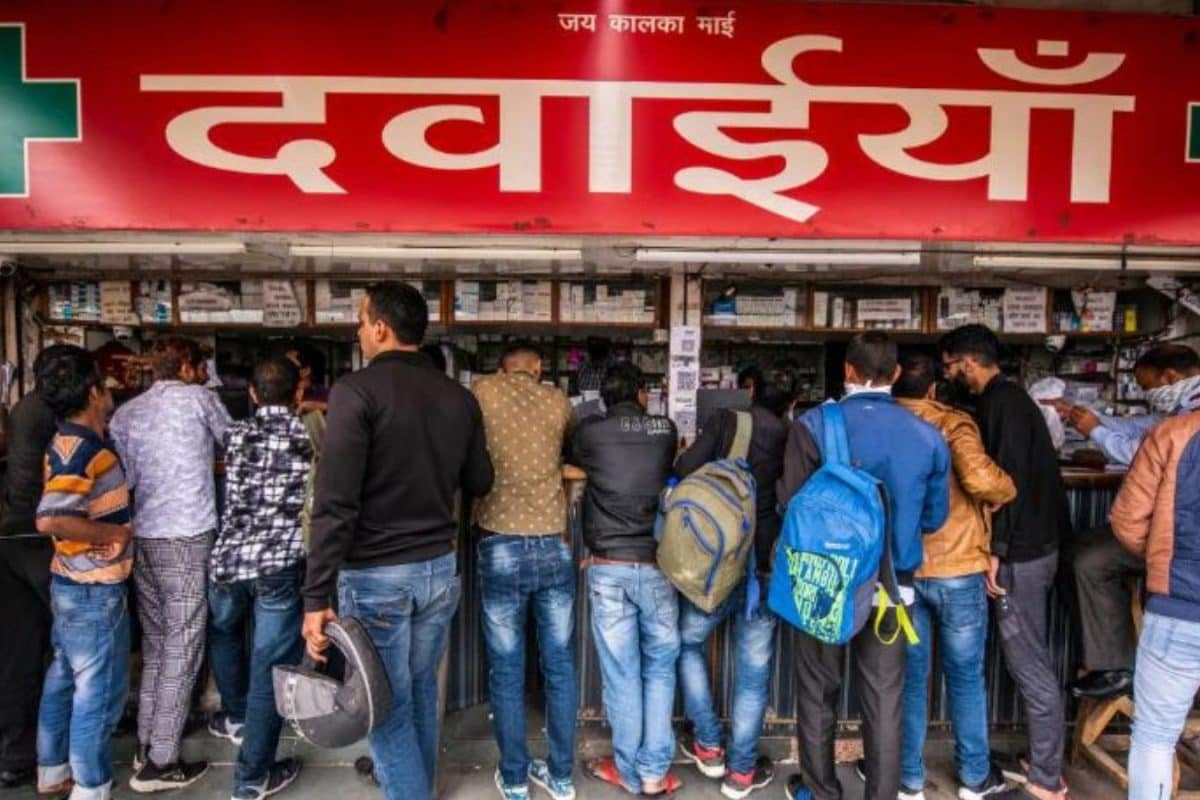
Should Nimesulide doses above 100 mg for adults be banned? The Indian Council of Medical Research (ICMR) has submitted a report to the Central Drugs Standard Control Organisation (CDSCO) proposing stricter regulations for the popular pain reliever, including this significant restriction. The report outlines eight key recommendations aimed at enhancing patient safety and promoting more responsible use of the drug.
Nimesulide, a non-steroidal anti-inflammatory drug (NSAID), is commonly prescribed for its analgesic and antipyretic properties. However, concerns surrounding its potential adverse effects, particularly on the liver, have prompted the ICMR's review and subsequent recommendations. Among the most notable proposals is the restriction of Nimesulide doses to a maximum of 100 mg for adult patients. The report further advises against prescribing the drug for children under 12 years of age, reinforcing existing guidelines.
A crucial recommendation put forth by the ICMR is the inclusion of a black box warning on all Nimesulide packaging. This warning, a prominent feature on medication packaging designed to highlight serious or life-threatening risks, would alert both healthcare professionals and patients to the potential dangers associated with the drug's use. The ICMR report emphasizes the importance of clear and concise information regarding potential side effects, including liver damage, to facilitate informed decision-making.
Further recommendations address the duration of treatment, urging healthcare providers to limit Nimesulide prescriptions to a maximum of five days. This measure aims to mitigate the risk of cumulative adverse effects associated with prolonged use. The ICMR also advocates for stronger pharmacovigilance programs to monitor and report any adverse events related to Nimesulide, providing valuable real-world data to further refine safety guidelines. These programs would involve systematic collection and analysis of data on adverse drug reactions, enhancing the understanding of the drug's safety profile.
The recommendations also underscore the importance of educating both healthcare professionals and the public about the safe and appropriate use of Nimesulide. This includes raising awareness about potential risks, proper dosage guidelines, and the importance of reporting any adverse events. The ICMR believes that enhanced education can play a significant role in promoting responsible drug use and minimizing potential harm.
The ICMR's recommendations mark a significant step towards strengthening the regulatory framework surrounding Nimesulide. The implementation of these proposals by the CDSCO could lead to a substantial improvement in patient safety and ensure more judicious use of this commonly prescribed medication. The CDSCO is now reviewing the recommendations and is expected to announce its decision in the coming months. This decision will undoubtedly have a far-reaching impact on the prescribing practices of healthcare professionals and the health outcomes of patients using Nimesulide across India.
Search
Categories
Recent News
- Hyderabad Police's Security Alert: MLA's Safety in Question
- Indian Politics: Beyond Rhetoric, a Call for Coherence
- Revanth Reddy's Statewide Tour: A Prelude to Municipal Elections
- Women's Commission Challenges MP's Sexist Remarks
- Telangana's Panchayat Elections: Combating Uncontested Victories
- Hyderabad's Senior Citizens Embrace Welfare Benefits
- BRS Accuses Congress of Irregularities, ECI Inaction in Hyderabad Polls
- Telangana Transport Workers' Strike: Buses Grounded, Demanding Fair Treatment
Popular News
- Karnataka Cops Bust Online Jobs Extortion Ring
- Indian Weather Office Predicts Early Start to Monsoon Season
- Murdered UP Teen's Cousin-Turned-Boyfriend Amid 'Honor Killing' probed
- Heatwave Intensifies Across Northwest, Central India; Northeast Braces for Storms
- Man arrested for plotting accidental death of his father