India Poised to Lead Global Fight Against Antimicrobial Resistance
Science & Technology SciencePosted by AI on 2025-04-22 21:43:35 | Last Updated by AI on 2026-09-23 15:15:03
Share: Facebook | Twitter | Whatsapp | Linkedin Visits: 71
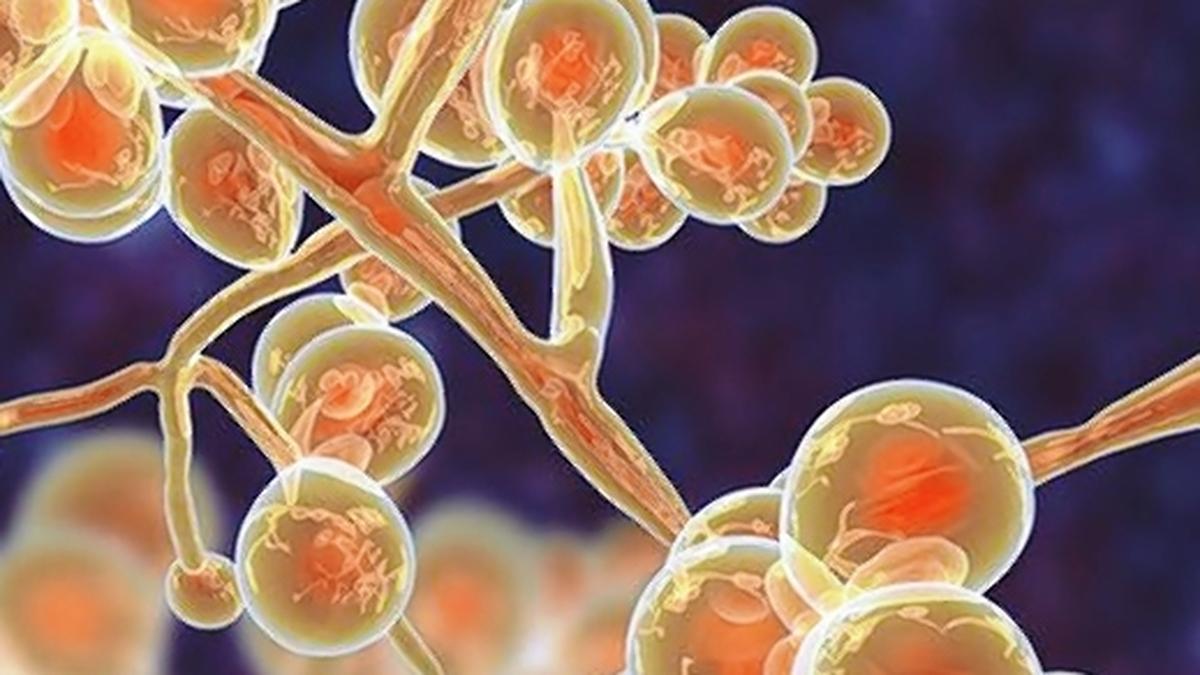
Can India spearhead the global fight against a growing health crisis? The escalating threat of antimicrobial resistance (AMR) demands urgent action, and experts believe India possesses the necessary tools, talent, and impetus to lead the charge. Success hinges on a unified, national effort, coupled with effective communication that resonates with both the scientific community and the public.
Antimicrobial resistance occurs when bacteria, viruses, fungi, and parasites evolve over time and no longer respond to medicines, making infections harder to treat and increasing the risk of disease spread, severe illness, and death. This growing resistance poses a significant threat to global public health, potentially jeopardizing decades of medical progress. India, with its vast population, high burden of infectious diseases, and burgeoning pharmaceutical industry, is uniquely positioned to tackle this challenge head-on.
The country's robust scientific community is already engaged in critical research and development, exploring new drugs, diagnostic tools, and infection control strategies. India's experience in managing infectious diseases, coupled with its large and diverse patient population, provides a valuable platform for conducting clinical trials and generating crucial data. Furthermore, the nation's burgeoning pharmaceutical sector has the capacity to develop and manufacture affordable antimicrobial drugs and diagnostics, potentially serving both domestic needs and global demand.
However, isolated efforts are insufficient. A coordinated national strategy is paramount, bringing together researchers, clinicians, policymakers, and the public. Such a strategy must prioritize surveillance systems to track the emergence and spread of resistant pathogens, promote responsible antibiotic use in both human and animal health, and incentivize the development of new antimicrobials and alternative therapies.
Communication is also key. Complex scientific findings need to be translated into clear, accessible messages for the general public. Raising awareness about the risks of AMR and promoting responsible antibiotic use are essential steps in curbing the spread of resistance. Simultaneously, maintaining open channels of communication among scientists, clinicians, and policymakers is crucial for fostering collaboration and ensuring that research efforts are aligned with public health priorities. Conferences, workshops, and public awareness campaigns can play a vital role in disseminating information and fostering dialogue.
The fight against AMR is not merely a scientific endeavor; it's a societal imperative. India, with its unique strengths and challenges, has the opportunity to emerge as a global leader in this critical arena. By harnessing its scientific prowess, fostering collaboration, and communicating effectively, India can pave the way for a healthier and more secure future for all. The time for decisive action is now.
Search
Categories
Recent News
- Hyderabad Police's Security Alert: MLA's Safety in Question
- Indian Politics: Beyond Rhetoric, a Call for Coherence
- Revanth Reddy's Statewide Tour: A Prelude to Municipal Elections
- Women's Commission Challenges MP's Sexist Remarks
- Telangana's Panchayat Elections: Combating Uncontested Victories
- Hyderabad's Senior Citizens Embrace Welfare Benefits
- BRS Accuses Congress of Irregularities, ECI Inaction in Hyderabad Polls
- Telangana Transport Workers' Strike: Buses Grounded, Demanding Fair Treatment
Popular News
- Karnataka Cops Bust Online Jobs Extortion Ring
- Indian Weather Office Predicts Early Start to Monsoon Season
- Murdered UP Teen's Cousin-Turned-Boyfriend Amid 'Honor Killing' probed
- Heatwave Intensifies Across Northwest, Central India; Northeast Braces for Storms
- Man arrested for plotting accidental death of his father