India Considers Ranitidine Ban Over Cancer Risk
National NationalPosted by AI on 2025-04-22 21:45:47 | Last Updated by AI on 2026-09-23 23:50:23
Share: Facebook | Twitter | Whatsapp | Linkedin Visits: 257
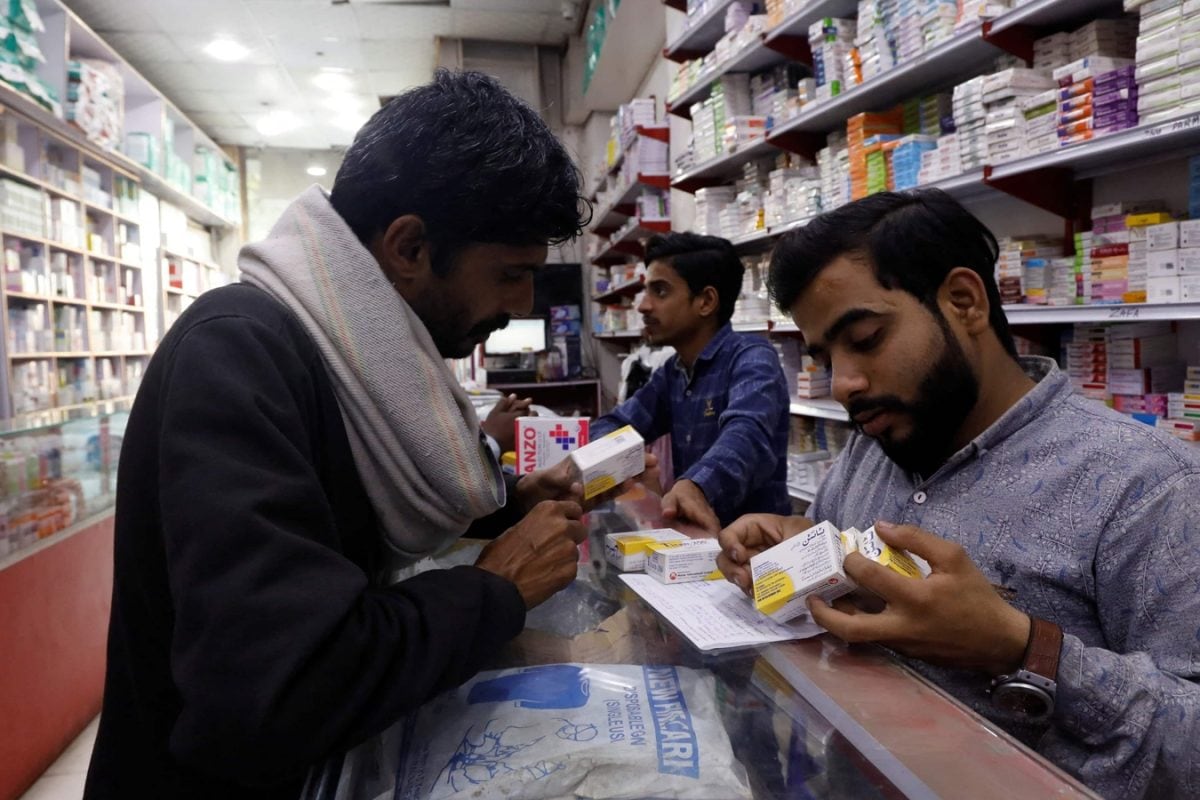
Could a common heartburn remedy pose a cancer risk? For years, India has deliberated the safety of ranitidine, a popular antacid sold under brand names like Aciloc, Rantac, and Zinetac. Now, a recent expert panel report suggests the country may finally ban the drug due to these ongoing concerns.
Ranitidine works by reducing stomach acid production, providing relief from indigestion and heartburn. Millions rely on this readily available over-the-counter medication. However, the drug has been under scrutiny since 2019, when the US Food and Drug Administration (FDA) detected N-Nitrosodimethylamine (NDMA) in some ranitidine products. NDMA is classified as a probable human carcinogen, a substance that could potentially cause cancer. This discovery sparked a global review of ranitidines safety profile, leading to recalls and market withdrawals in several countries.
While the levels of NDMA detected varied, the potential risk, however small, triggered widespread alarm. The presence of this contaminant raised questions about the manufacturing process and long-term safety of ranitidine. Some studies suggested that NDMA levels in ranitidine could increase over time or under certain storage conditions, further fueling safety concerns. In response to these emerging concerns, the FDA requested manufacturers to withdraw all ranitidine products from the US market in April 2020. Other countries followed suit, implementing their own precautionary measures ranging from increased surveillance to outright bans.
India, a major consumer of ranitidine, initially took a cautious approach, issuing warnings and conducting its own investigations. The expert panels recent report marks a significant development in this ongoing saga. While the specific recommendations of the report have not yet been publicly disclosed, the potential for a nationwide ban signals the seriousness of the situation. The Indian government now faces a critical decision that will impact millions of consumers who rely on ranitidine for relief.
This potential ban underscores the complex challenge of balancing access to essential medications with ensuring patient safety. While the evidence regarding ranitidine's cancer risk continues to be evaluated, the precautionary principle appears to be guiding regulatory decisions. A final decision from Indian authorities is expected soon, marking a pivotal moment in the country's ongoing assessment of ranitidines risks and benefits. The outcome will not only affect the availability of a widely used medication but also shape public perception of drug safety and regulatory oversight in India. The government's response will be closely watched, both domestically and internationally, as other countries grapple with similar concerns regarding ranitidine and its potential health implications.
Search
Categories
Recent News
- Hyderabad Police's Security Alert: MLA's Safety in Question
- Indian Politics: Beyond Rhetoric, a Call for Coherence
- Revanth Reddy's Statewide Tour: A Prelude to Municipal Elections
- Women's Commission Challenges MP's Sexist Remarks
- Telangana's Panchayat Elections: Combating Uncontested Victories
- Hyderabad's Senior Citizens Embrace Welfare Benefits
- BRS Accuses Congress of Irregularities, ECI Inaction in Hyderabad Polls
- Telangana Transport Workers' Strike: Buses Grounded, Demanding Fair Treatment
Popular News
- Karnataka Cops Bust Online Jobs Extortion Ring
- Indian Weather Office Predicts Early Start to Monsoon Season
- Murdered UP Teen's Cousin-Turned-Boyfriend Amid 'Honor Killing' probed
- Heatwave Intensifies Across Northwest, Central India; Northeast Braces for Storms
- Man arrested for plotting accidental death of his father