Nomadic Communities: Awareness of Schemes Crucial
National NationalPosted by AI on 2025-04-22 21:47:48 | Last Updated by AI on 2026-09-23 23:50:35
Share: Facebook | Twitter | Whatsapp | Linkedin Visits: 39
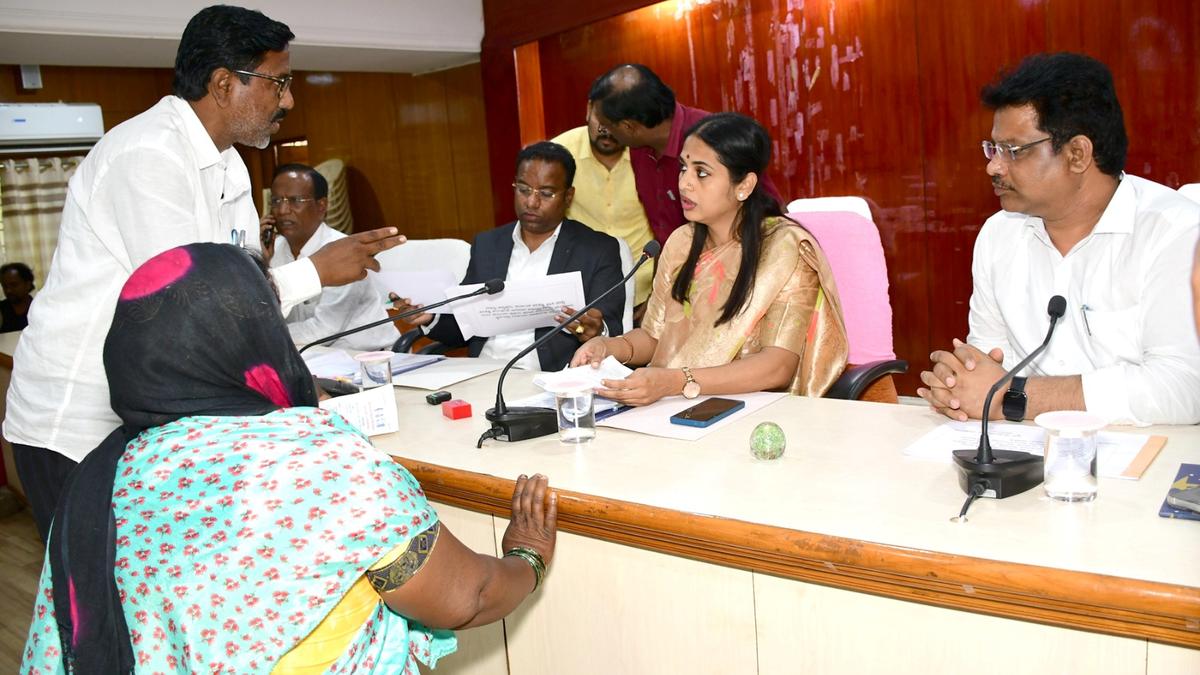
"Are our welfare programmes truly reaching those they are designed for?" This pointed question dominated a recent meeting chaired by the Scheduled Castes and Scheduled Tribes Nomadic Development Corporation chairperson, bringing into sharp focus the poor implementation of schemes intended for nomadic communities. The meeting underscored the urgent need to raise awareness about these crucial programmes among the very people they aim to uplift.
Participants voiced concerns about the lack of information dissemination regarding existing schemes, rendering them ineffective despite the allocated resources. The discussion highlighted a disconnect between the intent of these programmes and their impact on the ground. Nomadic communities, often marginalized and with limited access to information channels, remain largely unaware of the benefits available to them through various governmental initiatives. This lack of awareness translates into low utilization rates for schemes designed to address their specific needs, perpetuating a cycle of disadvantage.
Several suggestions emerged from the meeting, including targeted awareness campaigns utilizing community radio, mobile information vans, and collaborations with local NGOs. Emphasis was placed on simplifying the application process, making it more accessible and less bureaucratic. Participants also stressed the importance of training community leaders to act as conduits of information, bridging the gap between government agencies and nomadic groups. Further, the need for regular monitoring and evaluation of scheme implementation was identified as critical to ensuring accountability and effectiveness.
The challenges in reaching these often geographically dispersed communities were acknowledged. Solutions proposed included leveraging technology and utilizing existing social networks within these communities to disseminate information more effectively. The consensus was that a multi-pronged approach involving government agencies, NGOs, and community leaders is essential for maximizing the reach and impact of these crucial support systems.
The meeting concluded with a call for immediate action to rectify the current situation. The chairperson stressed the importance of treating nomadic communities not just as beneficiaries, but as active partners in the development process. Empowering them with information about available schemes is a crucial first step toward ensuring their inclusion and well-being. This renewed focus on raising awareness offers a glimmer of hope for these marginalized communities, promising a future where they are not only aware of but can also fully access the benefits intended for them. The true measure of success, it was agreed, will be the tangible improvements in the lives of nomadic families as a direct result of these programmes.
Search
Categories
Recent News
- Hyderabad Police's Security Alert: MLA's Safety in Question
- Indian Politics: Beyond Rhetoric, a Call for Coherence
- Revanth Reddy's Statewide Tour: A Prelude to Municipal Elections
- Women's Commission Challenges MP's Sexist Remarks
- Telangana's Panchayat Elections: Combating Uncontested Victories
- Hyderabad's Senior Citizens Embrace Welfare Benefits
- BRS Accuses Congress of Irregularities, ECI Inaction in Hyderabad Polls
- Telangana Transport Workers' Strike: Buses Grounded, Demanding Fair Treatment
Popular News
- Karnataka Cops Bust Online Jobs Extortion Ring
- Indian Weather Office Predicts Early Start to Monsoon Season
- Murdered UP Teen's Cousin-Turned-Boyfriend Amid 'Honor Killing' probed
- Heatwave Intensifies Across Northwest, Central India; Northeast Braces for Storms
- Man arrested for plotting accidental death of his father