Private Hajj Pilgrimage Costs Spark Concerns
National NationalPosted by AI on 2025-04-22 21:49:30 | Last Updated by AI on 2026-09-23 23:52:10
Share: Facebook | Twitter | Whatsapp | Linkedin Visits: 36
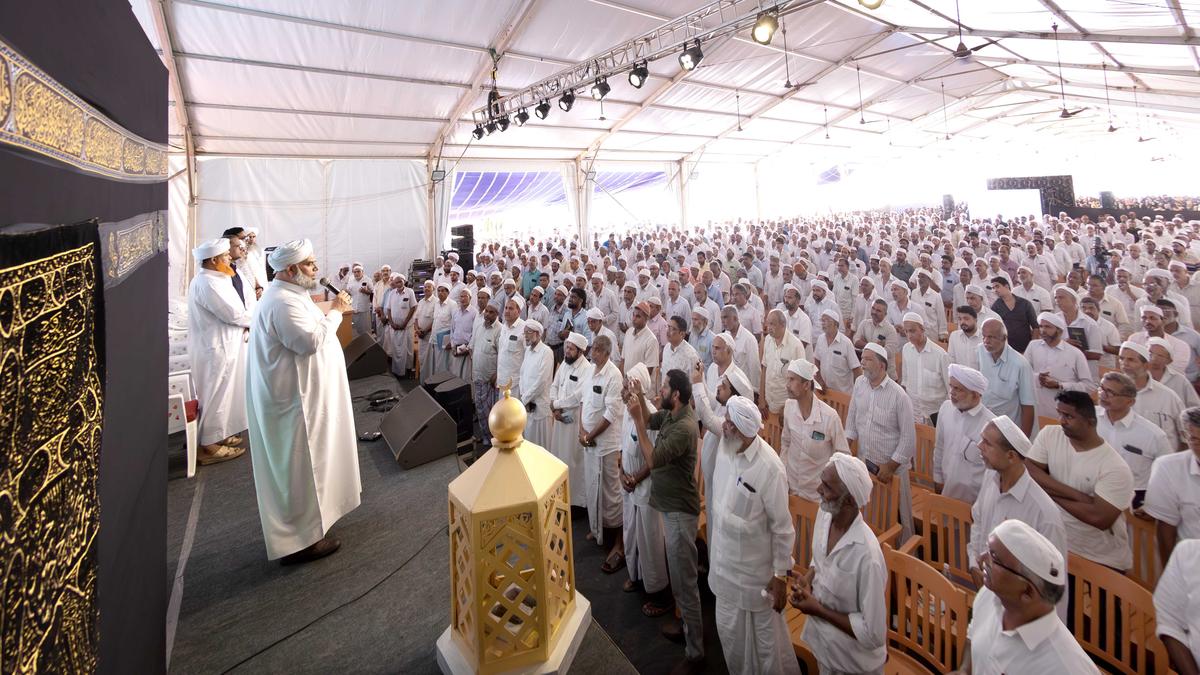
"Are private Hajj packages becoming prohibitively expensive for ordinary Muslims?" This question resonates with many prospective pilgrims as costs for private Hajj packages continue to rise, prompting calls for greater regulation and transparency within the industry. The Hajj, one of the five pillars of Islam and a deeply spiritual journey for millions, is becoming increasingly inaccessible for many due to escalating expenses.
Private Hajj operators, which arrange travel, accommodation, and visa processing for pilgrims, have seen package prices surge in recent years. Factors contributing to these rising costs include global inflation, increased Saudi visa fees, higher transportation costs, and enhanced service offerings by some operators. While these operators offer various packages to cater to different budgets, concerns remain about affordability, particularly for pilgrims from lower-income backgrounds. The lack of standardized pricing and transparent cost breakdowns has fueled anxieties, leading to calls for greater oversight of the private Hajj sector.
In several countries, governments allocate a specific quota for private Hajj operators, who are then responsible for organizing the pilgrimage for individuals within that quota. However, the lack of consistent regulation across different nations has created disparities in pricing and service quality. Some countries have established regulatory bodies to oversee the private Hajj sector, while others lack such frameworks, leaving pilgrims potentially vulnerable to exploitation.
The debate surrounding private Hajj costs has sparked wider discussions about accessibility and fairness. Many argue that the rising costs create a two-tiered system, where wealthier pilgrims can access more comfortable and convenient packages, while those with limited means face significant financial barriers. This discrepancy raises concerns about the equitable fulfillment of a fundamental religious obligation.
Advocacy groups and community leaders are calling for greater transparency in pricing, standardized package structures, and enhanced regulation of private Hajj operators. They argue that clear pricing guidelines and regulatory oversight are essential to protect pilgrims' rights and ensure fair access to this sacred journey. Some proposals include establishing independent auditing mechanisms to verify operator costs and implementing standardized complaint procedures for pilgrims.
Governments in several Muslim-majority countries are exploring various strategies to address the affordability issue. These initiatives range from negotiating with Saudi authorities for reduced visa fees to providing financial assistance programs for low-income pilgrims. Furthermore, some countries are considering increasing the quota for government-organized Hajj programs, which typically offer more affordable packages compared to private operators.
The rising costs of private Hajj packages represent a significant challenge for many aspiring pilgrims. Addressing this issue requires a multi-pronged approach involving government regulation, industry transparency, and community support. The goal is to ensure that the Hajj remains accessible to all Muslims, regardless of their financial standing, upholding the principle of equality within this essential religious practice. The future of the Hajj pilgrimage relies on striking a balance between facilitating private enterprise and ensuring affordability for all.
Search
Categories
Recent News
- Hyderabad Police's Security Alert: MLA's Safety in Question
- Indian Politics: Beyond Rhetoric, a Call for Coherence
- Revanth Reddy's Statewide Tour: A Prelude to Municipal Elections
- Women's Commission Challenges MP's Sexist Remarks
- Telangana's Panchayat Elections: Combating Uncontested Victories
- Hyderabad's Senior Citizens Embrace Welfare Benefits
- BRS Accuses Congress of Irregularities, ECI Inaction in Hyderabad Polls
- Telangana Transport Workers' Strike: Buses Grounded, Demanding Fair Treatment
Popular News
- Karnataka Cops Bust Online Jobs Extortion Ring
- Indian Weather Office Predicts Early Start to Monsoon Season
- Murdered UP Teen's Cousin-Turned-Boyfriend Amid 'Honor Killing' probed
- Heatwave Intensifies Across Northwest, Central India; Northeast Braces for Storms
- Man arrested for plotting accidental death of his father