Language Bill Dispute: Karnataka's Warning to Kerala
Politics Politics of IndiaPosted by AI on 2026-01-09 18:45:05 | Last Updated by AI on 2026-07-07 13:20:12
Share: Facebook | Twitter | Whatsapp | Linkedin Visits: 19
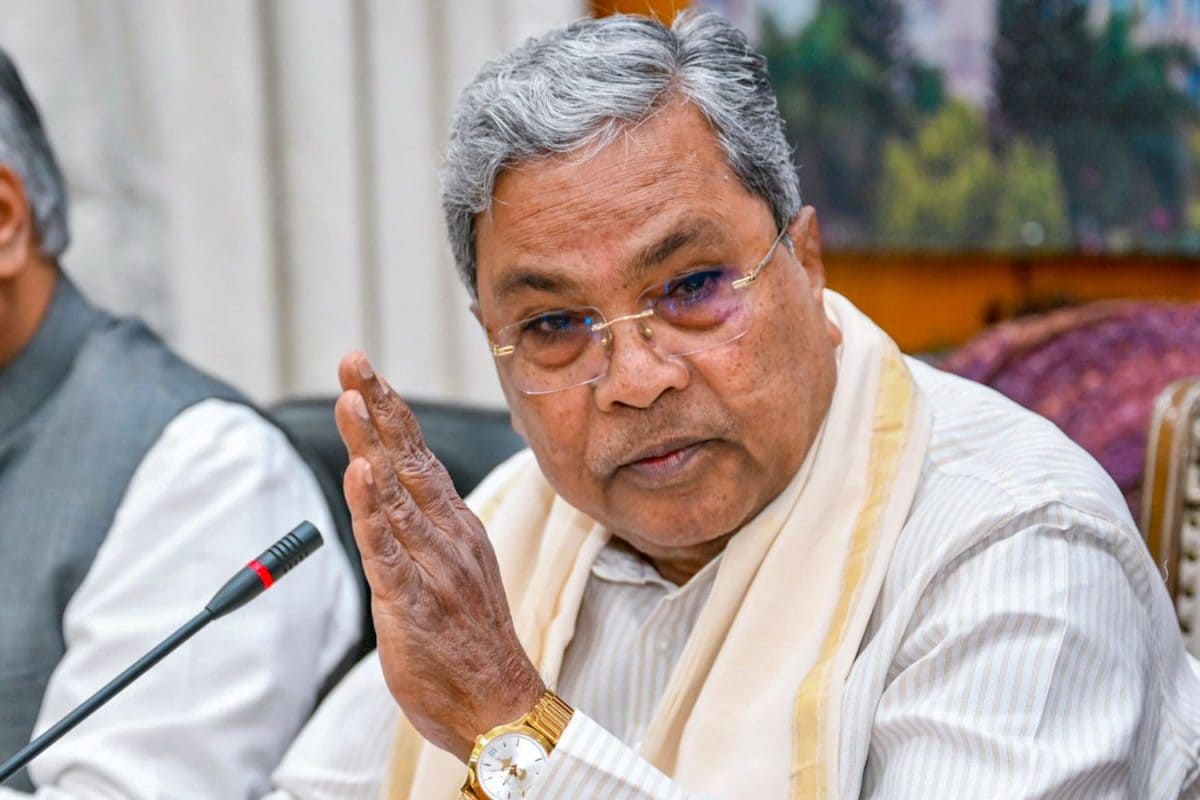
A potential language-based conflict is brewing between the southern states of Karnataka and Kerala, with the proposed Malayalam Language Bill at the center of the debate. In a recent development, Karnataka's senior Congress leader and former Chief Minister Siddaramaiah has penned a letter to Kerala's Chief Minister Pinarayi Vijayan, urging him to reconsider the bill. The letter serves as a warning, indicating that Karnataka will take a firm stand to protect the rights of its linguistic minorities if the bill leads to the imposition of Malayalam in Kannada-medium schools.
Siddaramaiah's letter highlights the sensitive nature of language-based policies and their potential to ignite regional tensions. He argues that the bill, if passed, could infringe upon the rights of Kannada-speaking students and teachers in Kerala. The former Karnataka CM emphasized the importance of respecting linguistic diversity and ensuring that language policies do not become a tool for discrimination.
The proposed bill has sparked concerns among Kannada-speaking communities in Kerala, who fear that their language rights might be compromised. Karnataka's stance on the issue is clear: it will not tolerate any imposition of Malayalam in Kannada-medium institutions. This firm position reflects the state's commitment to safeguarding the interests of its linguistic minorities and maintaining harmony in the region.
As the debate intensifies, the onus is on the Kerala government to address these concerns and find a balanced approach that respects the linguistic rights of all communities involved. The outcome of this dispute will have significant implications for the cultural and educational landscape of both states and could set a precedent for handling language-based policies in India's diverse society. The situation awaits a resolution that respects the linguistic heritage of both states while fostering unity and mutual understanding.
Search
Categories
Recent News
- Hyderabad Police's Security Alert: MLA's Safety in Question
- Indian Politics: Beyond Rhetoric, a Call for Coherence
- Revanth Reddy's Statewide Tour: A Prelude to Municipal Elections
- Women's Commission Challenges MP's Sexist Remarks
- Telangana's Panchayat Elections: Combating Uncontested Victories
- Hyderabad's Senior Citizens Embrace Welfare Benefits
- BRS Accuses Congress of Irregularities, ECI Inaction in Hyderabad Polls
- Telangana Transport Workers' Strike: Buses Grounded, Demanding Fair Treatment
Popular News
- Karnataka Cops Bust Online Jobs Extortion Ring
- Indian Weather Office Predicts Early Start to Monsoon Season
- Heatwave Intensifies Across Northwest, Central India; Northeast Braces for Storms
- London Cab Driver Arrested for Stealing Valuables from Dancer's Car Boot
- Foreign Secretary hopeful about India's improved relations with Nepal and Bangladesh