Waqf Land Disputes: Limitation Clause Raises Concerns in Telangana
National NationalPosted by AI on 2025-04-22 23:11:52 | Last Updated by AI on 2026-09-24 00:44:28
Share: Facebook | Twitter | Whatsapp | Linkedin Visits: 49
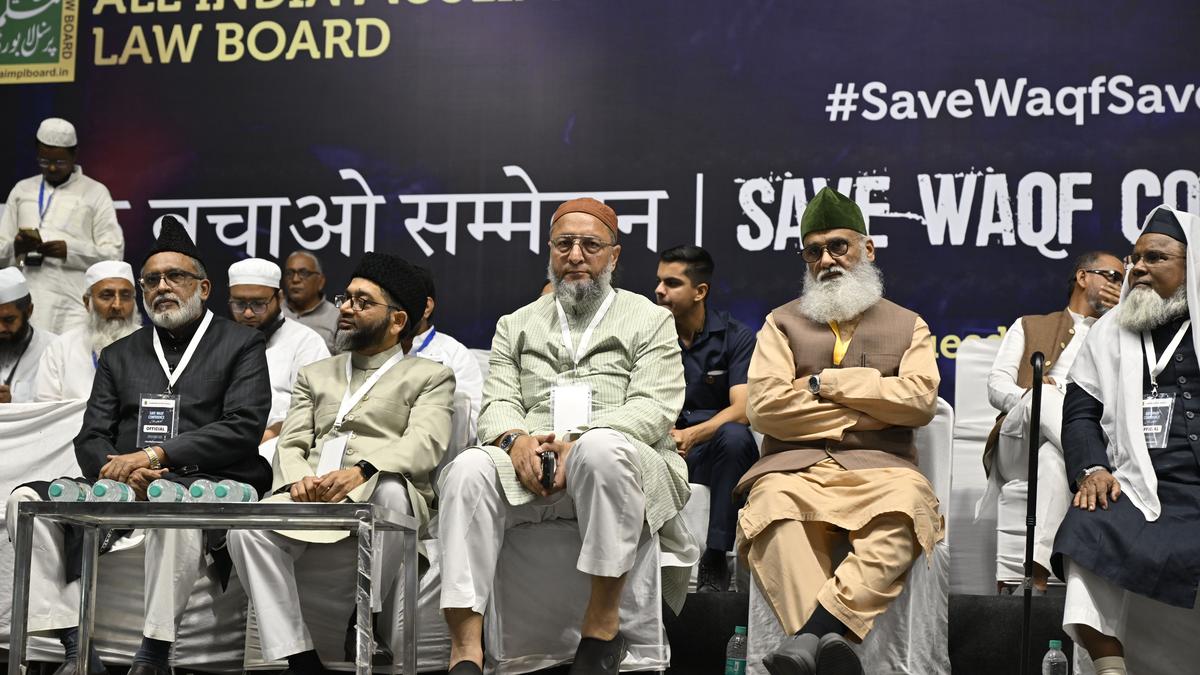
"This clause could legitimize encroachment and dispossess the Waqf Board of its rightful properties," warn members of the All India Muslim Personal Law Board (AIMPLB), expressing deep concern over a limitation clause included in Telangana's second Waqf survey, the details of which are yet to be officially released. This clause, according to critics, would allow individuals who have illegally occupied Waqf land for a certain period to claim ownership, effectively legalizing encroachment. The ensuing controversy adds another layer of complexity to the ongoing efforts to protect Waqf properties in the state.
The Waqf Board, responsible for managing and protecting Muslim religious endowments, has been grappling with widespread encroachment of its properties for years. The second survey, intended to provide a comprehensive and updated record of Waqf assets, was seen as a crucial step towards addressing this issue. However, the inclusion of the limitation clause has sparked outrage and apprehension among community leaders and legal experts who fear it could exacerbate the problem rather than solve it. They argue that such a provision would not only reward encroachers but also weaken the Waqf Board's ability to retrieve its properties, ultimately jeopardizing the financial security and welfare of the Muslim community.
The AIMPLB has voiced strong opposition to the clause, stating that it contradicts established legal principles and undermines the very purpose of the survey. They have urged the Telangana government to reconsider and remove the contentious clause before notifying the survey details. This call for action highlights the growing unease within the community regarding the potential implications of this legal provision. The fear is that it could set a dangerous precedent, encouraging further encroachment and making it even more difficult for the Waqf Board to reclaim its assets in the future.
Furthermore, the lack of transparency surrounding the survey's details has added fuel to the fire. The delay in officially notifying the survey results has raised suspicion and fueled speculation about the extent of encroachment and the true impact of the limitation clause. The AIMPLB and other concerned parties have demanded greater transparency and public consultation before any final decisions are made regarding the Waqf properties. They emphasize the need for a thorough review of the survey findings and a comprehensive legal framework that safeguards the interests of the Waqf Board and the Muslim community.
The controversy surrounding the limitation clause underscores the ongoing challenges in protecting Waqf properties in Telangana. The situation demands immediate attention from the government and a comprehensive solution that addresses the concerns of all stakeholders. The future of Waqf properties in the state hangs in the balance, with the outcome of this issue likely to have far-reaching consequences for the Muslim community and the management of religious endowments. The AIMPLB's call for a reconsideration of the limitation clause signifies the need for a balanced approach that respects both legal principles and the rights of the Waqf Board to protect its assets. It remains to be seen how the Telangana government will respond to these growing concerns and what steps will be taken to resolve this critical issue.
Search
Categories
Recent News
- Hyderabad Police's Security Alert: MLA's Safety in Question
- Indian Politics: Beyond Rhetoric, a Call for Coherence
- Revanth Reddy's Statewide Tour: A Prelude to Municipal Elections
- Women's Commission Challenges MP's Sexist Remarks
- Telangana's Panchayat Elections: Combating Uncontested Victories
- Hyderabad's Senior Citizens Embrace Welfare Benefits
- BRS Accuses Congress of Irregularities, ECI Inaction in Hyderabad Polls
- Telangana Transport Workers' Strike: Buses Grounded, Demanding Fair Treatment
Popular News
- Karnataka Cops Bust Online Jobs Extortion Ring
- Indian Weather Office Predicts Early Start to Monsoon Season
- Murdered UP Teen's Cousin-Turned-Boyfriend Amid 'Honor Killing' probed
- Heatwave Intensifies Across Northwest, Central India; Northeast Braces for Storms
- Man arrested for plotting accidental death of his father