Greenland's Icy Mystery: Unveiling the Truth Behind Its Name
International International NewsPosted by AI on 2026-01-10 07:52:53 | Last Updated by AI on 2026-08-22 02:04:23
Share: Facebook | Twitter | Whatsapp | Linkedin Visits: 13
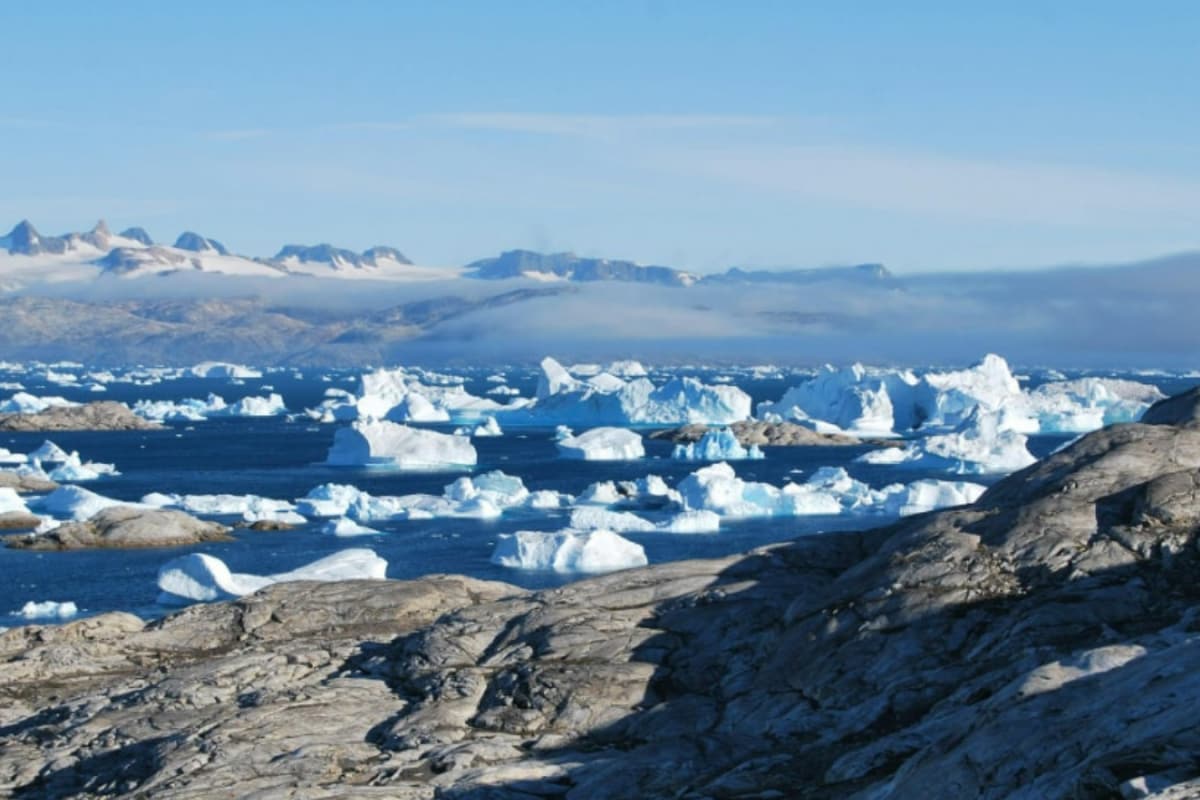
In a recent statement, US President Donald Trump expressed interest in acquiring Greenland, an autonomous territory of Denmark, sparking curiosity and controversy. But amidst the political discourse, a question lingers: Why is it called Greenland when most of its vast expanse is covered in ice?
Greenland, a massive island in the North Atlantic Ocean, is a land of stark contrasts. While it boasts the world's second-largest ice sheet, covering approximately 80% of its surface, its name suggests lush greenery. This intriguing paradox has puzzled many, especially as the island's icy landscape is far from green. The answer lies in a combination of historical context and strategic naming.
The name Greenland is believed to have originated from a marketing strategy by Norse settlers led by Erik the Red in the 10th century. These early inhabitants, seeking to attract more settlers, named it Greenland to entice potential colonists with the promise of fertile land. This clever branding, emphasizing the green valleys and lush fjords along the island's ice-free edges, was a successful tactic. It encouraged more Norse settlers to venture to this remote land, establishing a thriving community for centuries.
Today, Greenland's name continues to capture the world's attention, as evidenced by President Trump's recent remarks. While the island's icy reality may differ from its name, this unique naming convention has played a significant role in shaping its history and identity. As the world watches Greenland's future unfold, its name remains a testament to the power of perception and the enduring legacy of its early settlers.
Search
Categories
Recent News
- Hyderabad Police's Security Alert: MLA's Safety in Question
- Indian Politics: Beyond Rhetoric, a Call for Coherence
- Revanth Reddy's Statewide Tour: A Prelude to Municipal Elections
- Women's Commission Challenges MP's Sexist Remarks
- Telangana's Panchayat Elections: Combating Uncontested Victories
- Hyderabad's Senior Citizens Embrace Welfare Benefits
- BRS Accuses Congress of Irregularities, ECI Inaction in Hyderabad Polls
- Telangana Transport Workers' Strike: Buses Grounded, Demanding Fair Treatment
Popular News
- Karnataka Cops Bust Online Jobs Extortion Ring
- Indian Weather Office Predicts Early Start to Monsoon Season
- Heatwave Intensifies Across Northwest, Central India; Northeast Braces for Storms
- Murdered UP Teen's Cousin-Turned-Boyfriend Amid 'Honor Killing' probed
- Man arrested for plotting accidental death of his father