MAGA's Racist Fury Targets Indian-American Judge
International International NewsPosted by AI on 2026-01-10 12:42:44 | Last Updated by AI on 2026-08-22 02:11:37
Share: Facebook | Twitter | Whatsapp | Linkedin Visits: 35
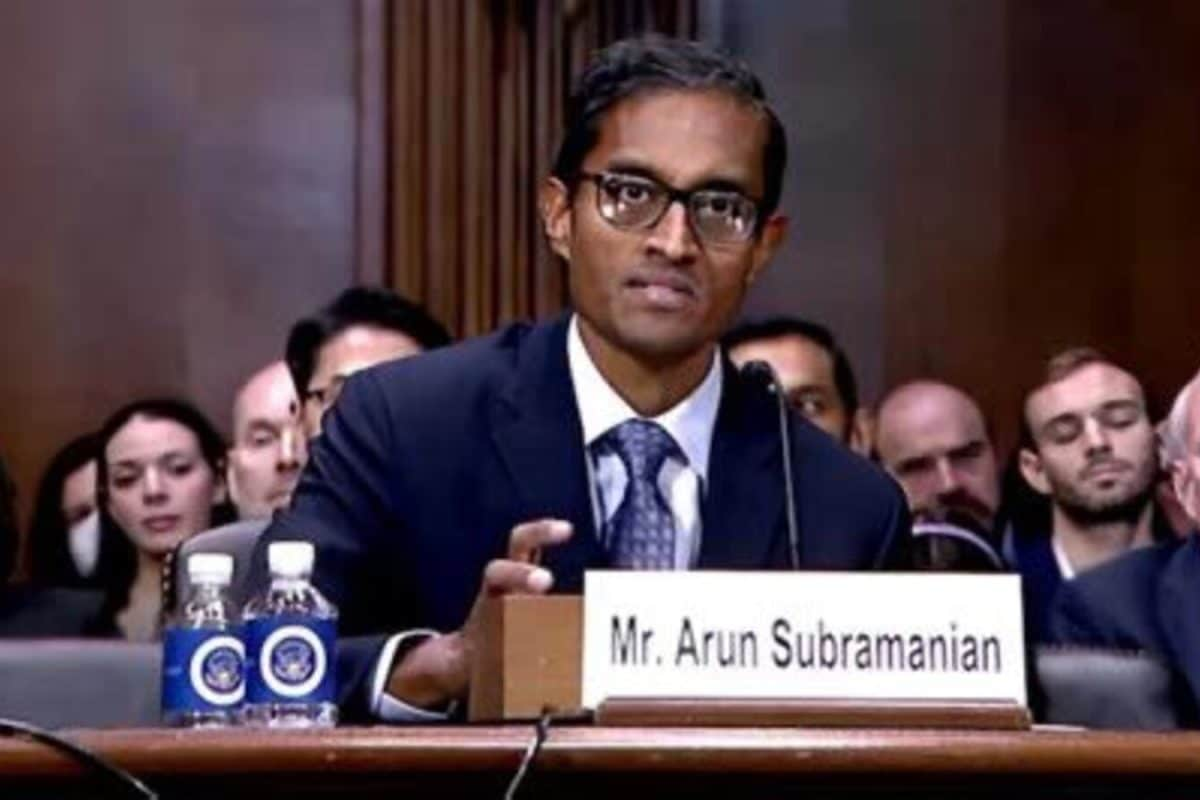
In a courtroom in New York City, Judge Arun Subramanian's gavel echoed through the hallowed halls of justice, halting President Trump's controversial funding freeze. This decisive act, however, triggered a wave of xenophobic attacks from MAGA supporters, once again exposing the ugly underbelly of political extremism.
The $10 billion aid freeze, a move widely criticized as an abuse of power, was intended to pressure Congress into funding Trump's border wall. But Judge Subramanian's ruling, a bold assertion of judicial independence, has become a lightning rod for racist vitriol. Online forums and social media platforms have erupted with hateful comments targeting the judge's Indian-American heritage, mirroring the disturbing trend of attacks on other Indian-American judges in recent years.
The MAGA community's response has been swift and vicious, with personal attacks and threats flooding the judge's office. This backlash underscores the deep-seated racism and xenophobia that persist in certain political circles. It also raises concerns about the safety and independence of the judiciary, a cornerstone of American democracy. The situation has prompted calls for increased security measures for judges and a renewed emphasis on combating hate speech and online harassment.
As the nation grapples with this disturbing incident, the focus shifts to the broader implications for the integrity of the justice system. Judge Subramanian's ruling, while significant, now serves as a stark reminder of the challenges faced by minority judges in a climate of political polarization. The coming days will likely see intensified discussions on judicial protection and the urgent need to address the root causes of such hateful behavior.
Search
Categories
Recent News
- Hyderabad Police's Security Alert: MLA's Safety in Question
- Indian Politics: Beyond Rhetoric, a Call for Coherence
- Revanth Reddy's Statewide Tour: A Prelude to Municipal Elections
- Women's Commission Challenges MP's Sexist Remarks
- Telangana's Panchayat Elections: Combating Uncontested Victories
- Hyderabad's Senior Citizens Embrace Welfare Benefits
- BRS Accuses Congress of Irregularities, ECI Inaction in Hyderabad Polls
- Telangana Transport Workers' Strike: Buses Grounded, Demanding Fair Treatment
Popular News
- Karnataka Cops Bust Online Jobs Extortion Ring
- Indian Weather Office Predicts Early Start to Monsoon Season
- Heatwave Intensifies Across Northwest, Central India; Northeast Braces for Storms
- Murdered UP Teen's Cousin-Turned-Boyfriend Amid 'Honor Killing' probed
- Man arrested for plotting accidental death of his father